
 Search
 EN
EN English
 Español
You have a shaft that carries heavy radial force, a constant axial load from the gear mesh, and little room for a complex mounting arrangement. A tapered roller bearing ...
READ MORE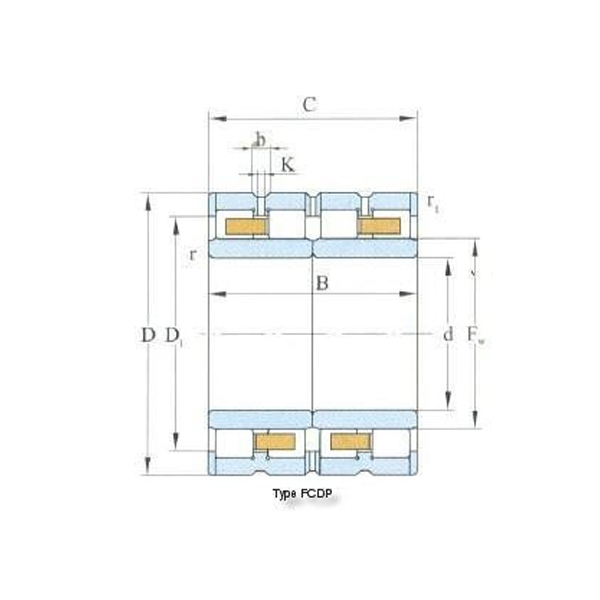
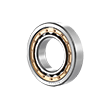
The double row cylindrical roller bearing is a type of rolling-element bearing t...
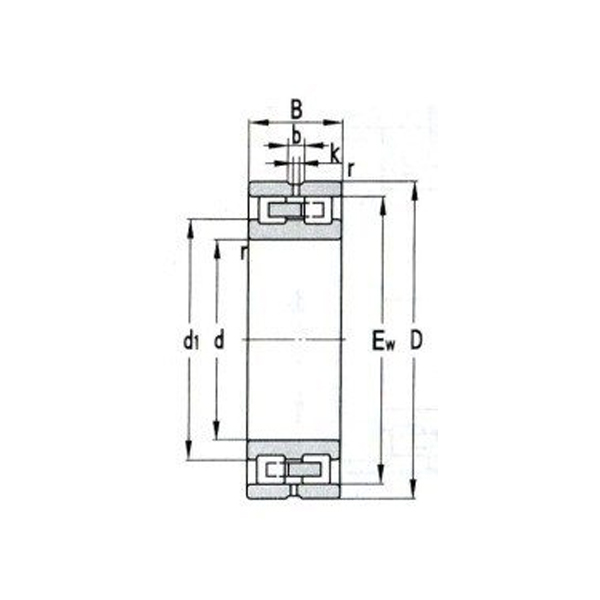
The design of double row cylindrical roller bearings allows them to distribute l...
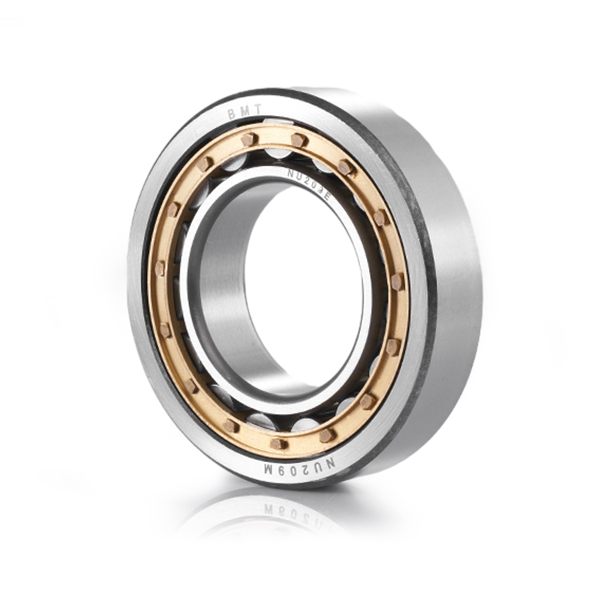
The single row cylindrical roller bearing is a type of rolling-element bearing t...
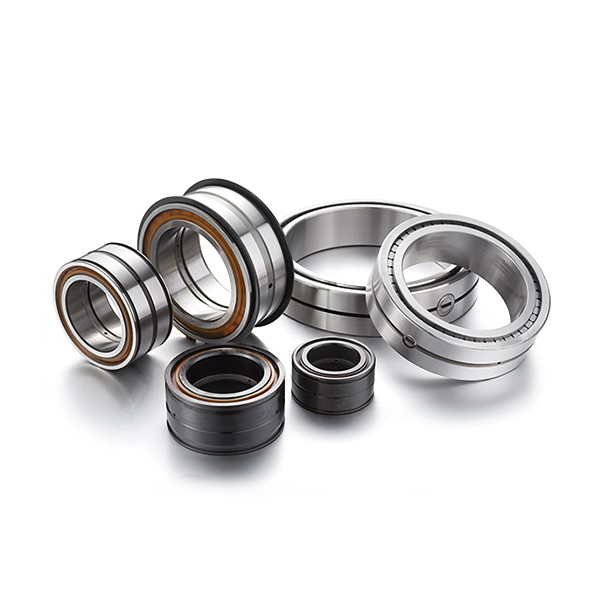
Full complement cylindrical roller bearings use a design of closely packed cylin...
You have a shaft that carries heavy radial force, a constant axial load from the gear mesh, and little room for a complex mounting arrangement. A tapered roller bearing ...
READ MOREThe most important decision in any angular contact ball bearing design is not the individual bearing size; it is the arrangement. Whether you are rebuilding a machine to...
READ MOREAt 3,600 rpm, a motor bearing can run normally for years, then fail within weeks because someone fitted an open bearing in a dusty environment or chose the wrong interna...
READ MOREIt usually starts as a low hum that gradually becomes a rhythmic growl, louder with speed and more obvious during turns. A worn wheel bearing is a common reason, but a m...
READ MORELubricant selection: High temperature will accelerate the aging of lubricants, so it is necessary to select lubricants with good thermal stability, such as synthetic oil or high-temperature grease.
Lubrication frequency: In high temperature environments, lubricants may lose or deteriorate faster, so lubricants need to be checked and replenished more frequently.
Bearing materials: Components such as inner and outer rings, rolling elements and cages of bearings should be made of high-temperature resistant materials to prevent deformation or damage at high temperatures.
Sealing system: High temperatures may affect the performance of sealing materials, so high-temperature resistant seals need to be selected to prevent lubricant loss and contaminant intrusion.
Cooling measures: In some cases, additional cooling systems may be required to help control the temperature of the bearing.
Bearing type: Some types of bearings are designed with lower noise characteristics, such as deep groove ball bearings or self-aligning ball bearings.
Accuracy level: Choose bearings with a higher manufacturing accuracy level, because the higher the accuracy, the smoother the bearing runs and the lower the noise.
Bearing configuration: Some bearing configurations, such as double-row bearings, can provide better noise control.
Installation accuracy: Ensure the centering accuracy when the bearing is installed to avoid additional noise caused by improper installation.
Bearing material: Choose high-carbon chromium bearing steel that has undergone special heat treatment, or use ceramic materials, which have higher wear resistance and load-bearing capacity.
Bearing design: Choose bearings designed to withstand high loads and long-life applications, such as bearings with larger rolling element diameters and optimized raceway shapes.
Preload: Properly increasing the preload of the bearing can increase the stiffness and life of the bearing, but it needs to be adjusted according to the specific application.
Maintenance cycle: Develop a reasonable maintenance plan and regularly check the operating status of the bearing, including temperature, vibration and noise levels.
Cleaning and inspection: Clean the bearings and bearing seats regularly, and check whether the bearings have signs of wear, damage or foreign matter intrusion.

Copyright © Ningbo Demy (D&M) Bearings Co., Ltd. All Rights Reserved.
 OEM/ODM Cylindrical Roller Bearings Manufacturers