
 Search
 EN
EN English
 Español

Self-aligning ball bearings use a spherical raceway in the outer ring, allowing the inner ring, balls, and cage to pivot around the bearing's center point and automatic...
READ MORE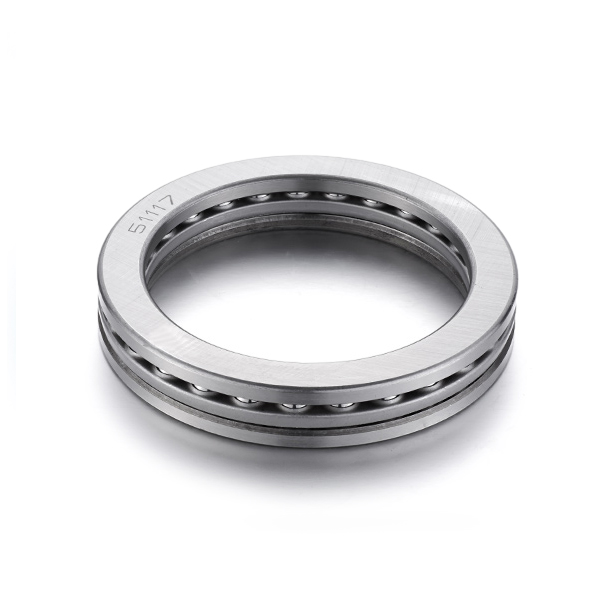
Single direction thrust ball bearings are a type of ball bearing specifically de...
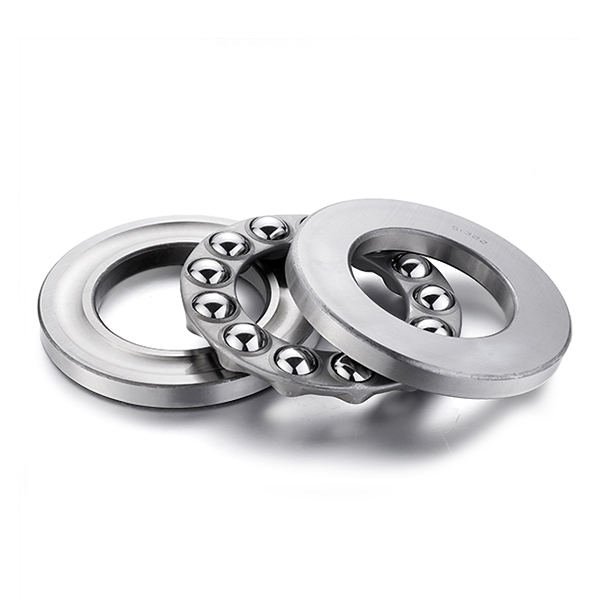
Double direction thrust ball bearings are a type of bearing designed to accommod...
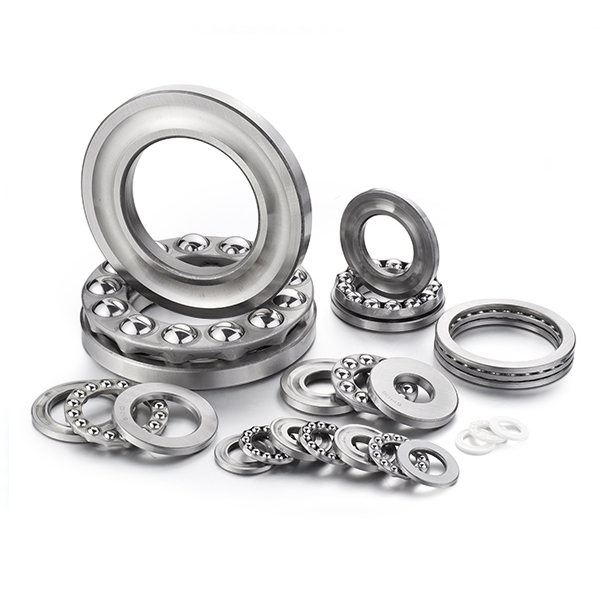
Single direction thrust ball bearings with sphered housing washers are a type of...
Self-aligning ball bearings use a spherical raceway in the outer ring, allowing the inner ring, balls, and cage to pivot around the bearing's center point and automatic...
READ MORESelecting the precise rolling element geometry directly dictates the operational lifespan, load capacity, and efficiency of heavy industrial rotating equipment. Misspeci...
READ MORECooling System Components A whining noise at idle is rarely the pump itself failing — it's almost always the bearing inside it giving out first. Short answer: water pum...
READ MORESealing design, not raw load rating, is usually what separates a bearing that survives a full harvest season from one that fails within weeks — and this is precisely wh...
READ MORECleanliness: Ensure the cleanliness of the installation environment and tools to prevent dust and impurities from entering the bearings.
Alignment: The alignment accuracy of the bearing seat and the shaft is critical to the life of the bearing. Use appropriate alignment tools and techniques to ensure that the bearings are properly installed.
Installation tools: Use special bearing installation tools and avoid hitting the bearings directly with hammers or hard objects.
Installation force: Avoid using excessive force, which may cause damage or deformation of the bearings.
Protection measures: During the installation process, appropriate personal protection measures should be taken, such as wearing safety glasses and gloves.
Lubricant selection: Select a suitable lubricant, such as grease or lubricating oil, based on the working conditions of the bearing and the manufacturer's recommendations.
Lubrication frequency: Lubricate regularly according to the working environment and load of the bearing. More frequent lubrication may be required in high-speed or high-temperature environments.
Lubrication method: For grease lubrication, ensure that the grease is evenly filled into the raceways and rolling elements of the bearing. For oil lubrication, ensure that the oil path is unobstructed and the amount of oil is appropriate.
Cleaning: Before lubrication, the bearing and lubrication channel should be cleaned to remove old lubricant and impurities.
Maintenance cycle: The maintenance cycle should be determined based on the operating conditions, load, speed, temperature and environmental factors of the bearing. Generally speaking, the maintenance cycle can range from a few months to a year.
Regular inspection: Even within the prescribed maintenance cycle, the operating status of the bearing should be checked regularly, including noise, temperature and vibration.
Cleaning and inspection: During each maintenance, the bearing should be cleaned and inspected for signs of wear, damage or corrosion.
Lubricant replacement: Replace the lubricant as needed to ensure that the lubricant is clean and appropriate.

Copyright © Ningbo Demy (D&M) Bearings Co., Ltd. All Rights Reserved.
 OEM/ODM Thrust Ball Bearings Manufacturers