
 Search
 EN
 English
 Español
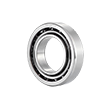
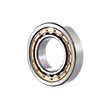
An electric motor behind a conveyor starts to rattle. The housing temperature rises to 84 °C, and after two days of over-greasing, the bearing fails with dark blue races...
READ MORE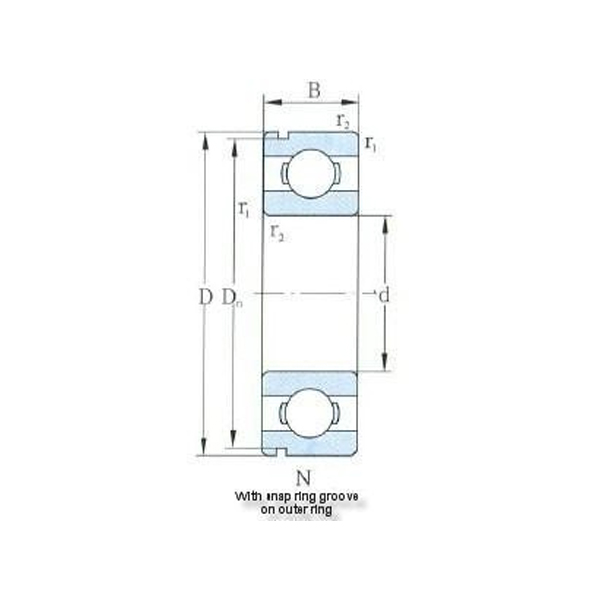
The deep groove ball bearing with a snap groove and snap ring on the outer ring ...
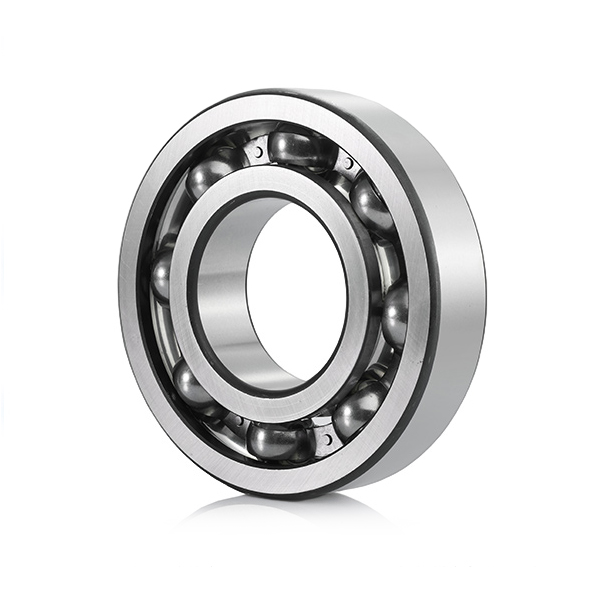
The double row deep groove ball bearing is a type of rolling-element bearing tha...

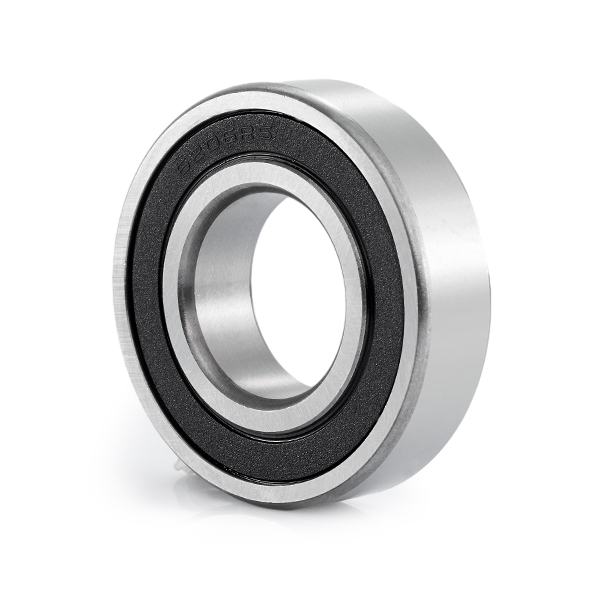
Bore Size: 1 - 50 mm Precision Rating: P0/P6/P5 Model Number: 626 Seals Type: 2R...
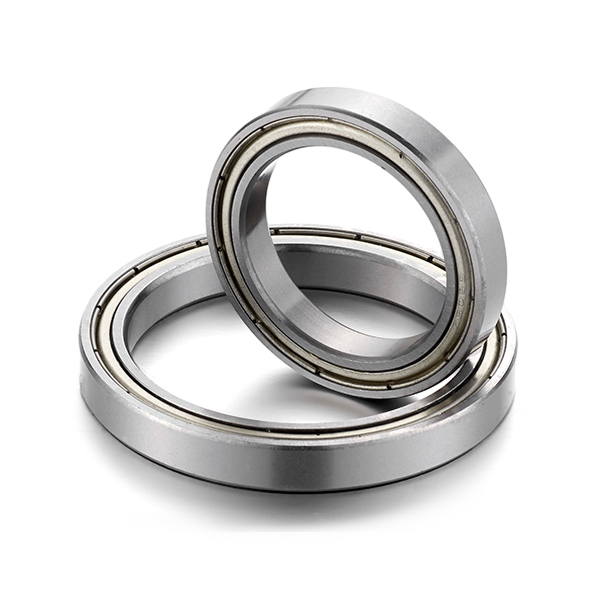
Bore Size: 10 - 1200 mm Precision Rating: P0;ABCE-1;P6;P5;P4; Model Number: 6000...

The expansion compensating deep groove ball bearing is a specialized type of dee...

An electric motor behind a conveyor starts to rattle. The housing temperature rises to 84 °C, and after two days of over-greasing, the bearing fails with dark blue races...
READ MOREAt 12,000 rpm in a vacuum pump motor, a standard steel bearing can fail from electrical erosion long before it wears out. The usual fix is a ceramic hybrid bearing: stee...
READ MOREAn axial load is the force that tries to push a shaft through a bearing housing. In a vertical pump, a gearbox input shaft, or a wheel hub under cornering, that force is...
READ MOREA replacement bearing can destroy a repaired motor within weeks without a single flaw in its material or lubrication. The cause is usually invisible: the tolerance class...
READ MOREThe load capacity of deep groove ball bearings refers to the maximum radial and axial loads they can withstand. These capacities depend on the size, design, and material of the bearing.
Radial load: The groove design of deep groove ball bearings enables them to withstand high radial loads. The basic load rating (C) of a bearing indicates the load at which the bearing will last for one million revolutions under pure radial load.
Axial load: Although deep groove ball bearings are not designed to withstand axial loads, they have a certain self-aligning ability and can withstand a certain amount of bidirectional axial load. However, this load should not normally exceed 50% of the radial load.
The selection and application of bearings should take into account the type and size of loads under actual operating conditions to ensure that the bearings can operate safely and have adequate life.
Deep groove ball bearings have a very wide range of sizes, from miniature bearings as small as a few millimeters to giant bearings as large as several meters. The choice of size usually depends on the specific requirements of the application.
Miniature bearings: Suitable for small devices such as small motors, watches, etc.
Small bearings: Suitable for household appliances, office equipment, etc.
Medium-sized bearings: widely used in automobiles, industrial machinery, etc.
Large bearings: used in heavy machinery, wind turbines, etc.
Choosing the right size ensures that the bearing meets the application requirements in terms of space and performance.
The material selection of deep groove ball bearings has an important impact on their performance and durability.
Outer and inner rings: usually made of bearing steel, such as GCr15 or AISI 52100, which have good hardness and wear resistance.
Rolling elements: also made of bearing steel to ensure uniform hardness and wear resistance.
Cage: can be made of metal (such as steel plate or brass) or non-metal (such as glass fiber reinforced polyamide), the choice depends on the temperature, load and speed requirements of the application.
Different material combinations can provide different performance characteristics, such as corrosion resistance, high temperature stability, etc., to adapt to various working environments.

Copyright © Ningbo Demy (D&M) Bearings Co., Ltd. All Rights Reserved.
 OEM/ODM Deep Groove Ball Bearings Manufacturers