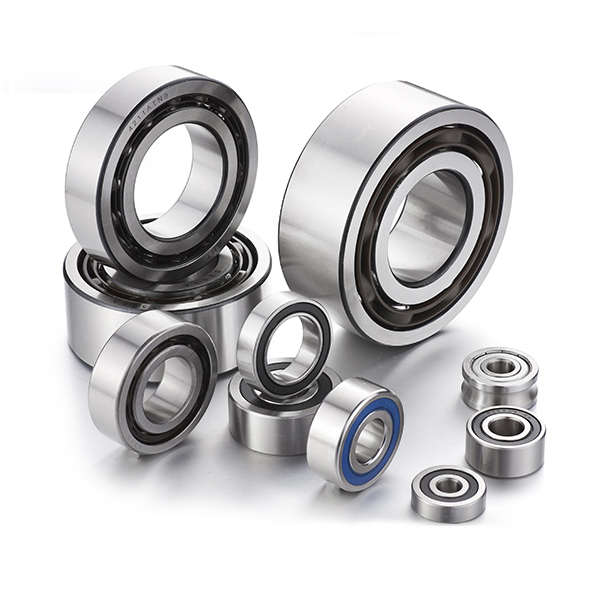
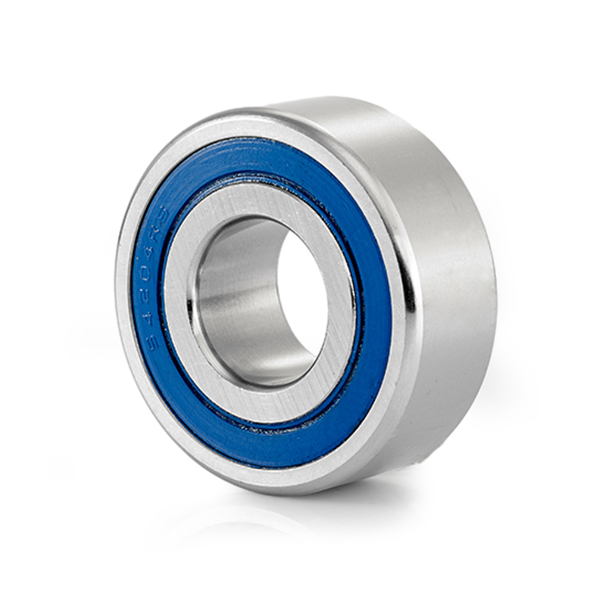
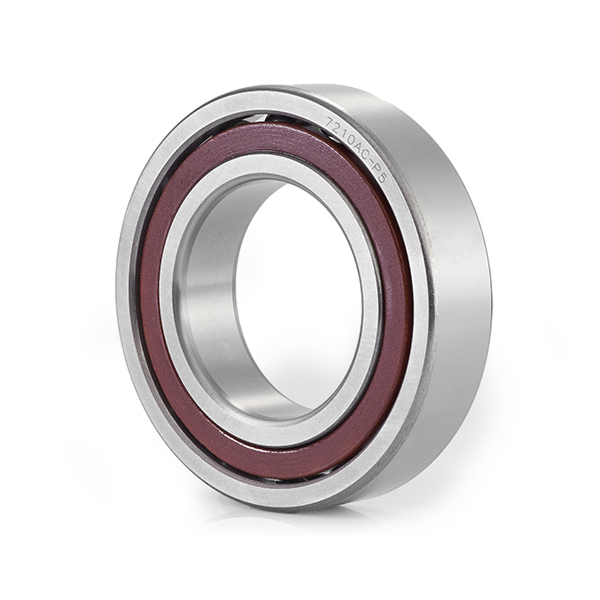
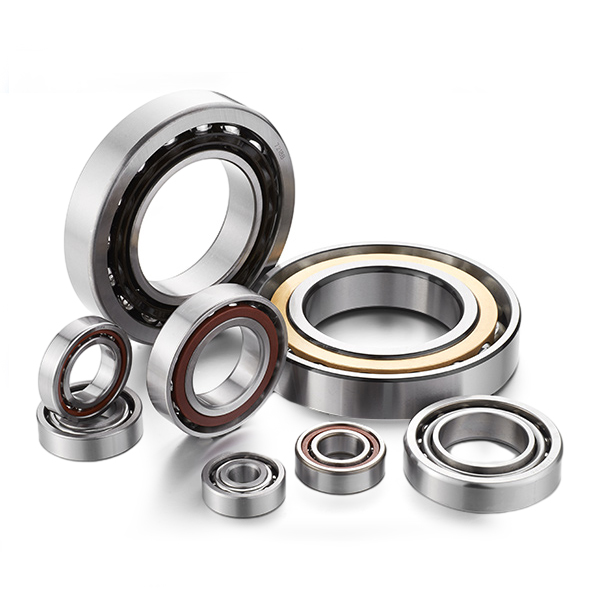
Thrust ball bearings are specialized rolling-element bearings designed to support axial loads while accommodating limited radial loads. They are commonly used in automotive, aerospace, and industrial machinery where high axial load capacity and smooth rotation are required.
These bearings provide low friction, precise rotation, and extended service life under properly controlled operating conditions. Standard designs can handle axial loads ranging from 500 N to over 20,000 N depending on size and material selection.
A typical thrust ball bearing consists of:
Thrust ball bearings are available in several designs, including:
Thrust ball bearings function by converting axial loads into rolling motion, significantly reducing friction. The cage ensures even load distribution and prevents skewing of balls. Key operating principles include:
High-quality thrust ball bearings are commonly manufactured using chrome steel (AISI 52100) or stainless steel for corrosion resistance. Advanced applications may use ceramic balls for higher speed and reduced weight.
Proper lubrication is critical for performance. Options include:
Thrust ball bearings are essential in applications where axial loads dominate. Common applications include:
Key performance metrics for thrust ball bearings include:
| Parameter | Typical Value | Notes |
|---|---|---|
| Axial Load Capacity | 500 N – 20,000 N | Depends on bearing size and material |
| Maximum Speed | 3,000 – 12,000 RPM | Based on lubrication and cage design |
| Operating Temperature | -30°C to 120°C | Typical range for steel bearings |

Copyright © Ningbo Demy (D&M) Bearings Co., Ltd. All Rights Reserved.
 OEM/ODM Industrial Bearing Manufacturers

 Search
 EN
EN English
 Español