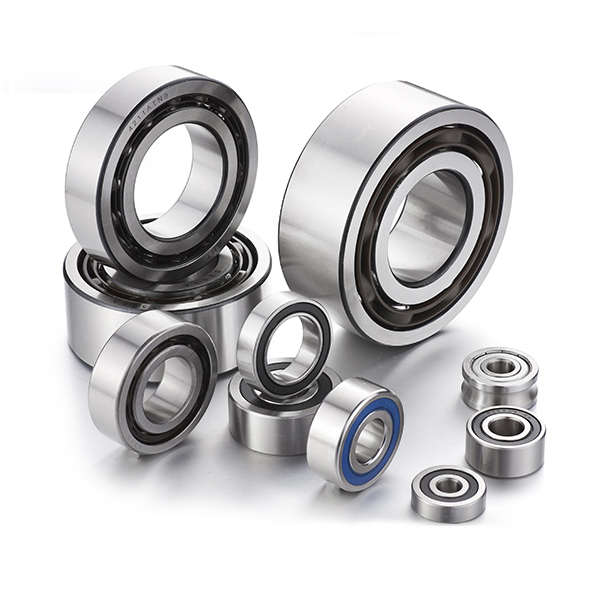
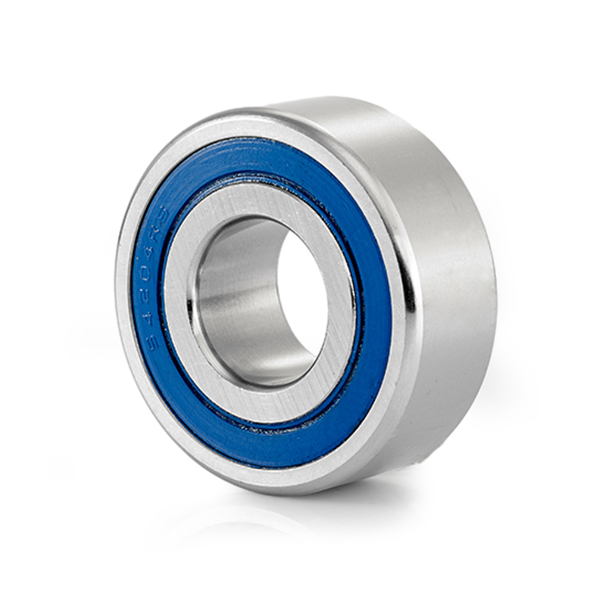
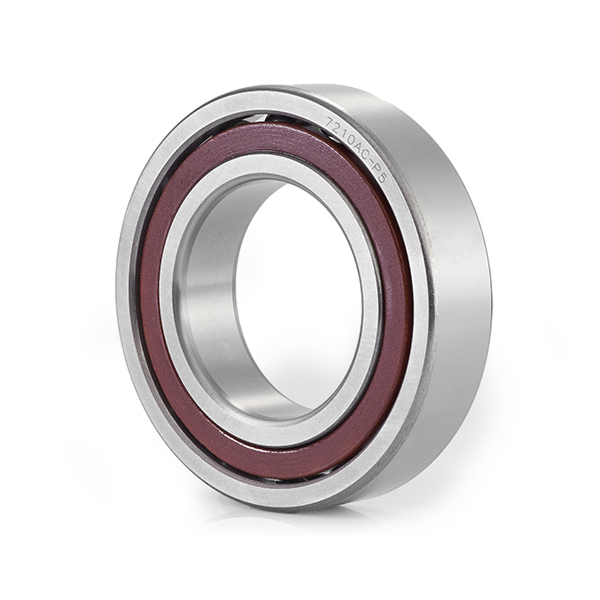
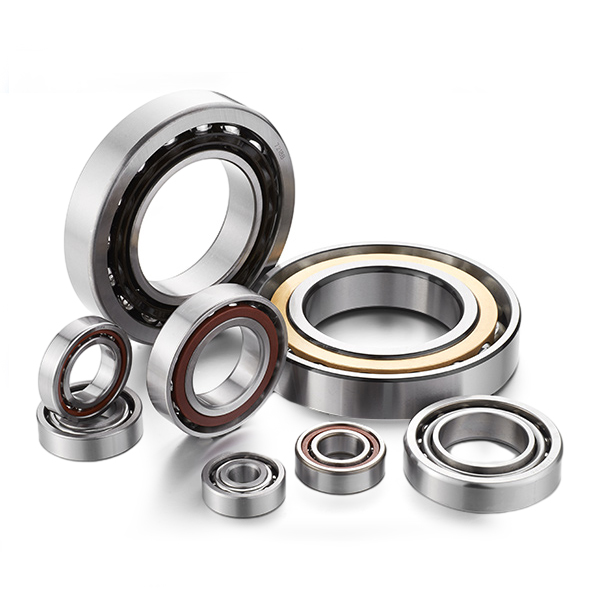
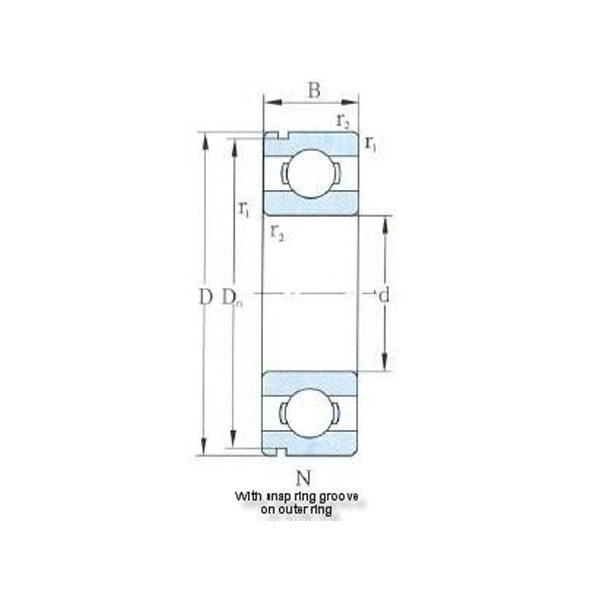
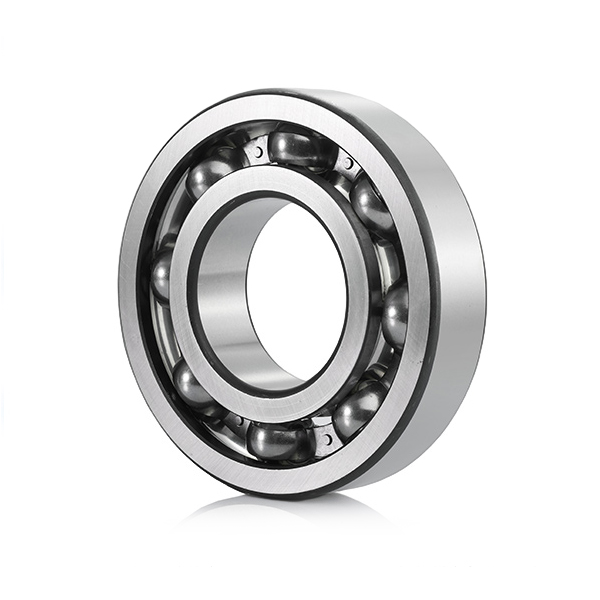
Self-aligning ball bearings provide consistent, smooth operation even when shaft misalignment occurs. Their design allows the inner ring and balls to adjust to minor angular misalignments, reducing stress and prolonging service life. This makes them an essential component in modern industrial machinery.
These bearings are particularly effective in applications where mounting errors, shaft deflection, or housing deformation can occur. By accommodating these deviations, they maintain optimal load distribution and prevent premature wear.
The defining feature of self-aligning ball bearings is their dual-row spherical design. This allows the bearing to compensate for angular misalignment while handling radial and moderate axial loads.
The outer ring has a spherical raceway, while the inner ring features two rows of balls. This geometry permits a misalignment of up to 3–4 degrees without compromising performance.
The spherical shape of the outer raceway ensures even load distribution across both rows of balls. The contact angle typically ranges from 10° to 20°, balancing radial and axial load handling capabilities efficiently.
Seals and shields prevent contaminants from entering the bearing and reduce lubrication loss. High-quality grease or oil lubrication ensures low friction and extended operating life under various conditions.
Self-aligning ball bearings are valued for their high reliability under dynamic loads. Key properties include:
These bearings are designed to handle substantial radial loads. Depending on the size, the dynamic load rating can reach up to 60 kN in standard industrial applications.
While primarily radial, self-aligning ball bearings can support moderate axial loads in both directions, typically 10–15% of the radial load capacity.
Angular misalignment up to 3–4° can be accommodated, reducing shaft and housing stress and minimizing wear on machinery components.
Self-aligning ball bearings are widely used in applications where misalignment is common or unavoidable:
| Application | Key Benefit | Load Type Handled |
|---|---|---|
| Electric Motors | Smooth rotation under slight misalignment | Radial & moderate axial |
| Pumps and Fans | Reduced vibration impact on bearings | Radial & moderate axial |
| Textile Machinery | Maintains precision despite shaft deflection | Radial & moderate axial |
| Conveyor Systems | Accommodates bending shafts and uneven load | Radial & moderate axial |
| Agricultural Machinery | Durable in dynamic and harsh environments | Radial & moderate axial |
Proper maintenance ensures self-aligning ball bearings achieve their full service life, which can exceed 50,000 operating hours under ideal conditions. Key practices include:
Failure to maintain bearings can lead to premature wear, increased friction, and even equipment downtime, which is costly in industrial settings. By following these maintenance practices, self-aligning ball bearings can consistently deliver high reliability and smooth operation.
High-quality self-aligning ball bearings are typically made from chromium steel (AISI 52100) or stainless steel. Chromium steel provides excellent hardness and wear resistance, while stainless steel offers corrosion resistance for wet or chemical environments.
Advanced applications may use ceramic balls, which reduce weight and friction, increase rotational speed capability, and extend bearing life. Coatings such as PTFE or special heat treatments further enhance performance under high-temperature or high-load conditions.
Compared to standard ball bearings or roller bearings, self-aligning ball bearings provide several advantages in specific applications:
These benefits make self-aligning ball bearings the preferred choice for rotating machinery where precision, reliability, and tolerance to misalignment are critical.
Practical examples highlight why self-aligning ball bearings are integral in industry:
These real-world applications demonstrate that self-aligning ball bearings not only enhance performance but also significantly reduce maintenance costs and downtime.
Self-aligning ball bearings are essential for machinery that requires reliable operation under misalignment conditions. Their dual-row design, misalignment tolerance, and robust material composition provide smooth, low-friction performance, reduce wear, and extend equipment life. From electric motors to industrial conveyors, these bearings ensure optimal functionality, making them a practical investment for both manufacturers and end-users.

Copyright © Ningbo Demy (D&M) Bearings Co., Ltd. All Rights Reserved.
 OEM/ODM Industrial Bearing Manufacturers

 Search
 EN
EN English
 Español