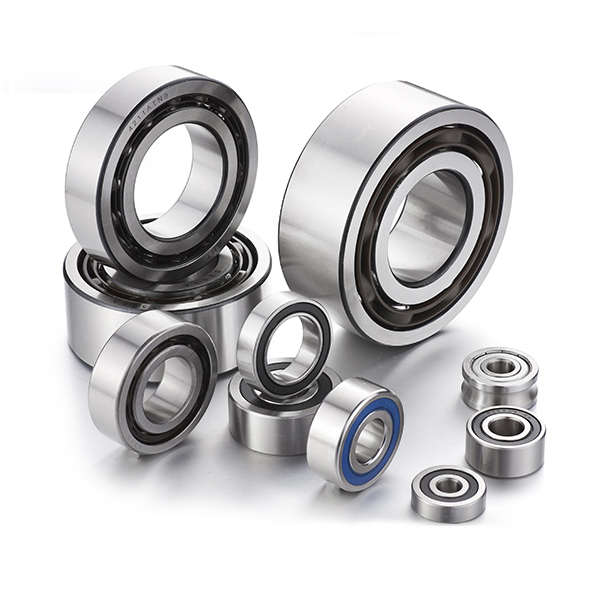
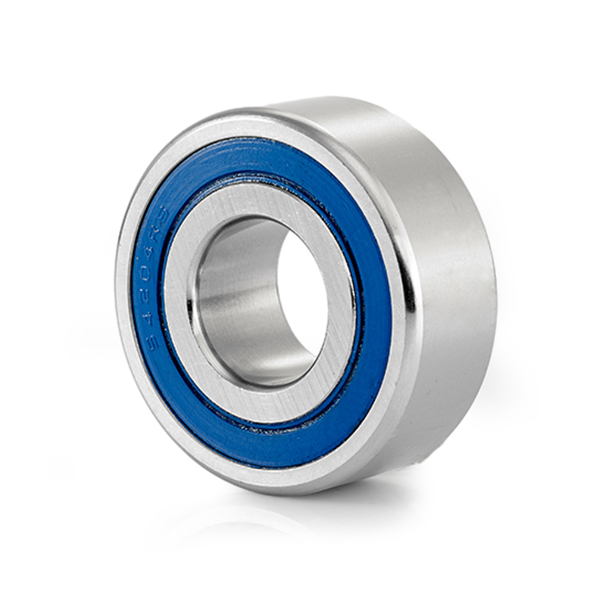
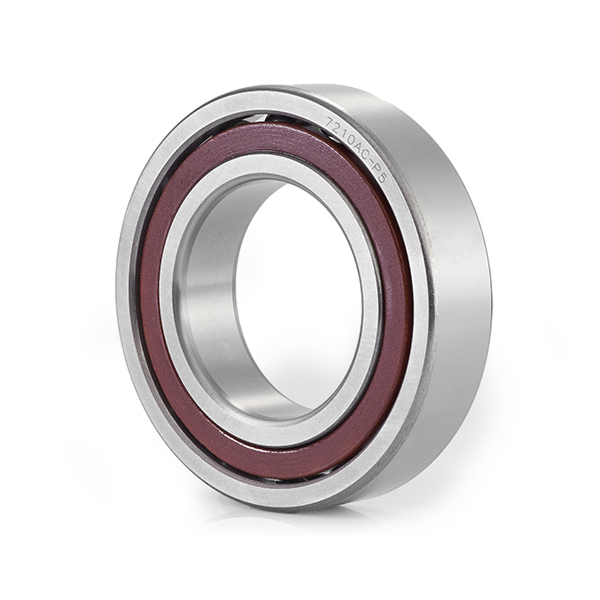
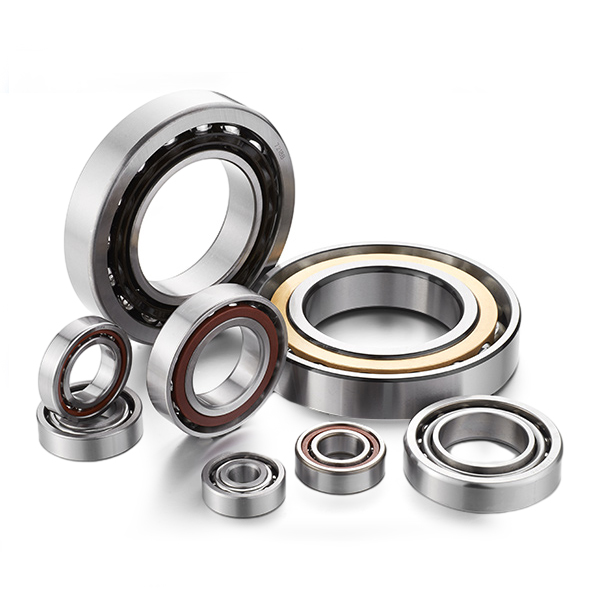
Angular Contact Ball Bearings are a crucial component in the world of mechanical engineering, offering high precision and reliability for a wide range of applications. These bearings are designed to handle both radial and axial loads simultaneously, making them ideal for high-speed and high-performance machinery. By allowing smooth rotation with minimal friction, angular contact ball bearings are used in various industrial applications, from automotive to aerospace. This article delves into the structure, types, applications, and benefits of angular contact ball bearings.
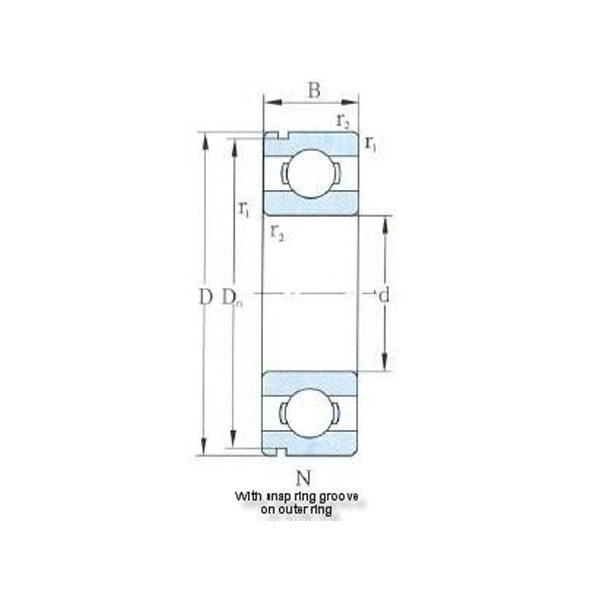
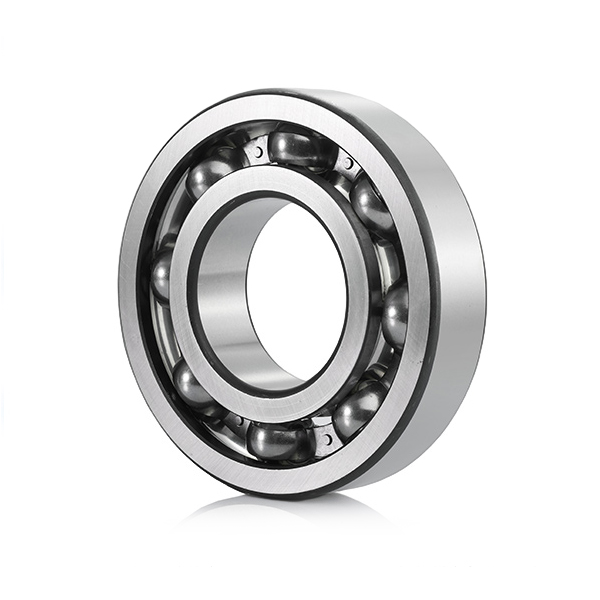
Angular contact ball bearings have a distinctive design that sets them apart from other types of ball bearings. Their key feature is the angle at which the balls are positioned relative to the bearing raceways. This angular arrangement allows the bearing to support both radial and axial loads. Let's break down the structure further:
The inner and outer raceways of an angular contact ball bearing are designed to provide smooth and precise contact for the balls. The balls themselves are placed at an angle, and this allows the bearing to withstand axial loads, unlike standard radial bearings.
The ball elements in angular contact ball bearings are typically made of steel, ceramic, or other high-performance materials. The balls are crucial for ensuring smooth rotation and minimizing friction, which is essential for high-speed machinery.
The contact angle in an angular contact ball bearing determines how much axial load the bearing can support. A higher contact angle results in higher axial load capacity, which is useful for applications that require support in multiple directions.
There are several variations of angular contact ball bearings, each designed to meet specific performance requirements. These include:
Single row angular contact ball bearings are the most common type, capable of handling radial and axial loads in one direction. They are typically used in applications where space is limited, such as in electric motors, pumps, and gearboxes.
Double row angular contact ball bearings are designed to handle both radial and axial loads in both directions. These bearings are ideal for high-load applications such as automotive wheels, machine tool spindles, and heavy-duty machinery.
Four-point contact angular contact ball bearings have a unique design with a split inner race, allowing them to support loads from multiple directions. They are commonly used in applications where the bearing needs to accommodate both axial and radial forces simultaneously, such as in slewing rings and turntables.
Angular contact ball bearings are used in a wide range of industries due to their ability to handle combined radial and axial loads. Some of the key industries and applications include:
In the aerospace industry, angular contact ball bearings are used in high-speed and high-precision applications, such as aircraft engines, landing gear systems, and avionics. Their ability to withstand both axial and radial loads makes them ideal for these critical applications.
Angular contact ball bearings are widely used in automotive applications, including wheel hubs, steering systems, and transmissions. Their ability to handle both high radial and axial loads makes them perfect for the demands of automotive components.
Many industrial machines, such as CNC machines, pumps, and compressors, rely on angular contact ball bearings for smooth operation. These bearings help maintain accuracy and reduce friction in high-load environments, ensuring the long-term efficiency of machinery.
Angular contact ball bearings are also used in wind turbine generators. These bearings help reduce friction and maintain the stability of the turbine’s rotating parts, improving the overall efficiency and lifespan of wind turbines.
The use of angular contact ball bearings in various applications offers several advantages:
Due to their angular design, these bearings are capable of handling high radial and axial loads simultaneously, making them perfect for applications that require both load types to be supported.
The precise design of angular contact ball bearings ensures that machines operate with high accuracy and minimal vibration, which is essential for precision machinery such as CNC machines and robotics.
Angular contact ball bearings are highly versatile and can be used in a wide variety of applications, from automotive and aerospace to industrial machinery and renewable energy systems.

Copyright © Ningbo Demy (D&M) Bearings Co., Ltd. All Rights Reserved.
 OEM/ODM Industrial Bearing Manufacturers

 Search
 EN
EN English
 Español