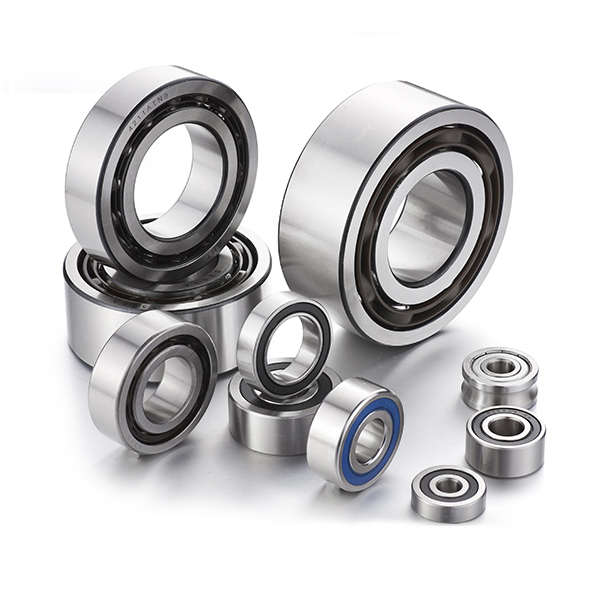
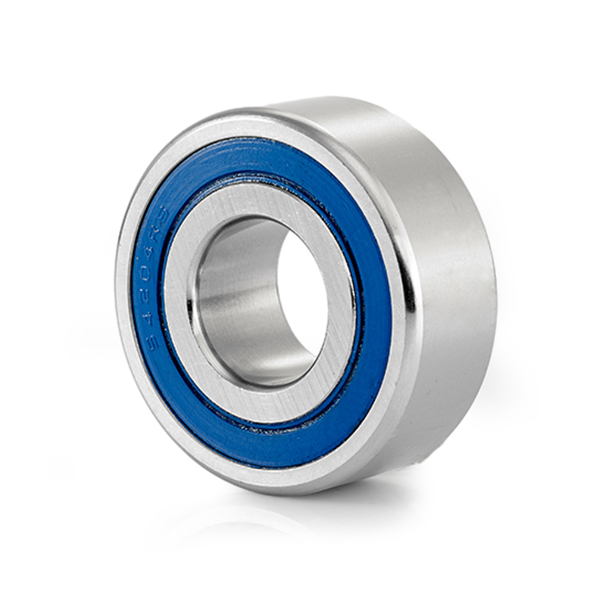
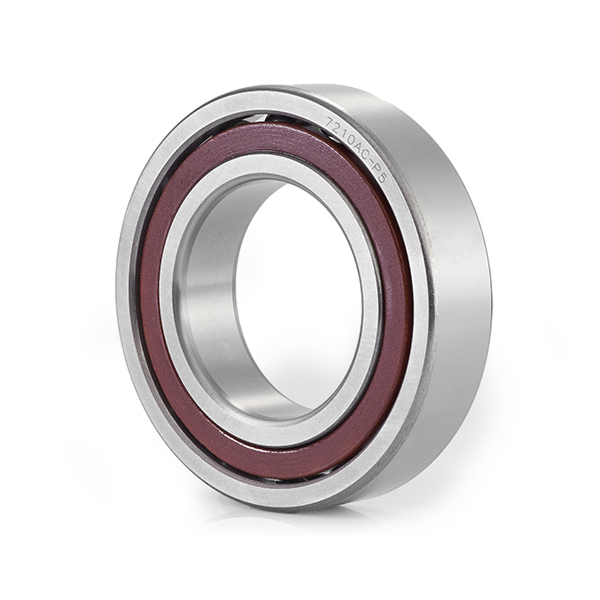
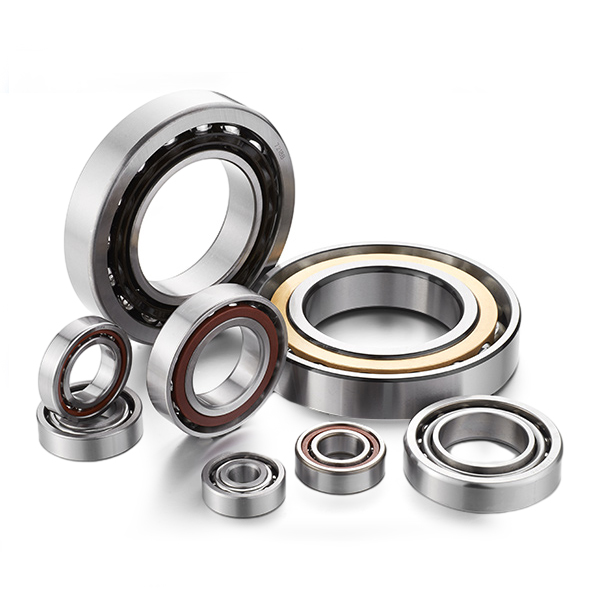
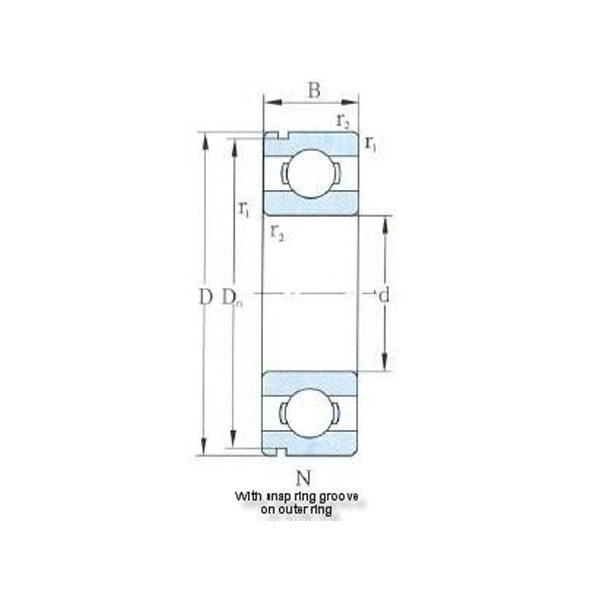
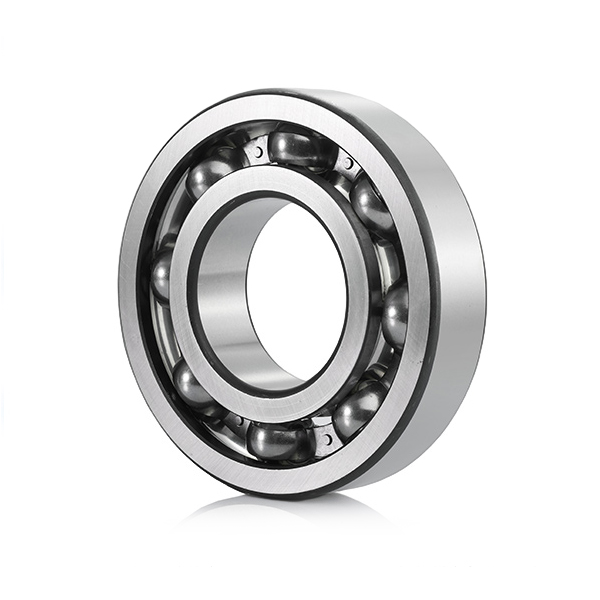
Integrating high-precision angular contact ball bearings into rotating machinery provides mechanical engineers, machine tool builders, and industrial plant operators with an optimized solution for handling severe, simultaneous radial and axial load profiles. By shifting the inner and outer ring raceways relative to each other along the bearing axis, this structural design creates a distinct internal contact angle. This geometric configuration yields a highly rigid rotation system that delivers a fatigue life increase of up to 300% when subjected to combined thrust loads compared to standard deep groove configurations. This specific mechanical layout allows high-speed machine tool spindles, turbochargers, and centrifugal pumps to handle intensive thrust forces, ensuring precise shaft centering down to sub-micron tolerances under continuous operational speeds.
In modern high-speed machinery, managing combined loads requires components that can absorb thrust vectors without increasing internal friction or running temperatures. High-velocity machine shafts carry significant kinetic energy and require stiff, unyielding support to prevent chatter or misalignment. Standard deep groove ball bearings rely on a straight 0-degree contact path, making them vulnerable to rapid raceway erosion and ball skidding when forced to handle heavy axial loads. Transitioning to custom-matched angular contact bearing sets resolves these durability weaknesses, using specialized internal geometries to transfer external forces smoothly along the designed load line.
The thrust-carrying capacity and running speed limits of an angular contact component depend directly on its design contact angle, which is measured between the line connecting the ball contact points and a line perpendicular to the bearing axis.
Bearings machined with a tight 15-degree contact angle are optimized for high-speed operation. The shallower angle reduces internal ball centrifugal forces and minimizes heat generation from friction, allowing the assembly to run at high RPM limits. While this setup trades away some axial load capacity, it delivers excellent radial stiffness, making it the standard choice for CNC milling machine spindles that require absolute tracking accuracy at high rotational speeds.
For heavy-duty industrial applications, contact angles are increased to 25 or 40 degrees. A 40-degree configuration substantially increases the axial load limit, allowing the assembly to handle heavy, continuous thrust forces from helical gears or vertical pump shafts. However, the steeper angle increases internal ball spinning friction, which lowers the maximum safe operating speed and requires continuous lubrication to dissipate heat.
Choosing the right rolling-element component requires evaluating radial capacity against axial limits, system stiffness, and precise torque levels. The comparative table below details the performance boundaries between these two bearing configurations.
| Kinematic Performance Factor | Angular Contact Ball Bearing (Single Row) | Standard Deep Groove Ball Bearing |
|---|---|---|
| Unidirectional Axial Load Capacity | Maximum (Proportional to contact angle magnitude) | Low (Axial forces distort shoulder edges rapidly) |
| System Rigidity and Shaft Deflection Control | High (Preload adjustment eliminates internal clearance) | Moderate (Relies on inherent loose radial clearance) |
| Simultaneous Combined Load Handling | Exceptional (Resolves mixed radial-axial vector forces) | Poor (Combined loading causes high friction stress) |
| Bidirectional Thrust Tracking Range | Restricted (Requires pairing with a second bearing) | Moderate (Handles small balancing thrusts both ways) |
| Mounting and Alignment Complexity | Complex (Demands precision spacing and preload control) | Simple (Slips onto shaft with standard tolerances) |
The mechanical data comparison shows a clear divide in application suitability. Deep groove ball bearings provide an economical, easy-to-install choice for standard electric motors, conveyor rollers, and gearboxes operating under simple radial loads. However, when a system introduces serious thrust vectors—such as the axial feedback from a heavy cutting tool or a high-pressure pump impeller—deep groove tracks can suffer from severe stress concentration. Angular contact bearings resolve this tracking vulnerability by aligning their internal raceways with the load vector, distributing contact stress evenly across the rolling elements.
Because single-row angular contact bearings can only support axial forces in one direction, industrial machinery typically mounts them in paired arrangements to secure the shaft from both sides.
Because tiny assembly or positioning errors can cause severe geometric binding and rapid bearing failure, installation crews follow a strict mounting protocol.
While high-grade angular contact bearings are engineered for severe industrial use, running a system with inadequate preload or under extreme temperature swings can cause rapid mechanical wear.
Ball skidding occurs if a high-speed spindle accelerates quickly while underloaded. Without enough axial tracking force, the balls slide along the raceways instead of rolling cleanly, tearing the thin lubricant film and scoring the metal surfaces. Maintenance teams can prevent this smearing wear by applying consistent spring-loaded preloads to the bearing assembly, ensuring the balls stay firmly engaged in their tracks during sudden speed shifts.
Thermal preload creep happens during continuous high-speed runs if the inner ring heats up faster than the housing-cooled outer ring. This temperature delta causes the inner ring to expand, overtightening the bearing and increasing friction in a destructive loop. Plant engineers can manage this thermal stress by using ceramic silicon nitride balls to lower friction and deploying liquid cooling jackets around the housing to maintain a stable, uniform temperature across the assembly.

Copyright © Ningbo Demy (D&M) Bearings Co., Ltd. All Rights Reserved.
 OEM/ODM Industrial Bearing Manufacturers

 Search
 EN
EN English
 Español