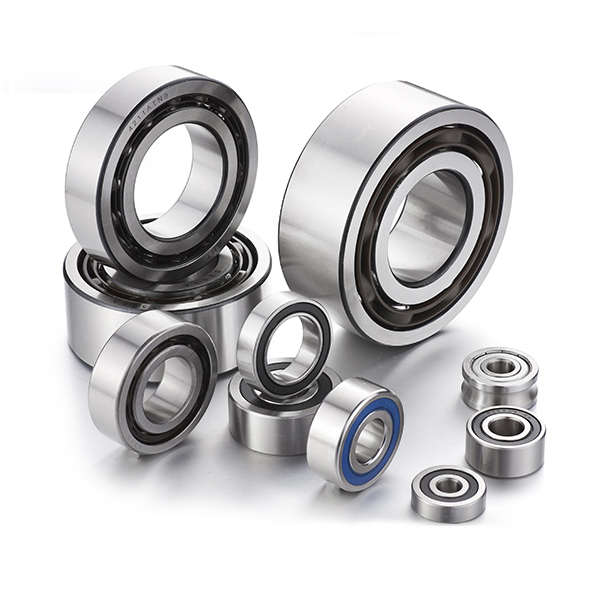
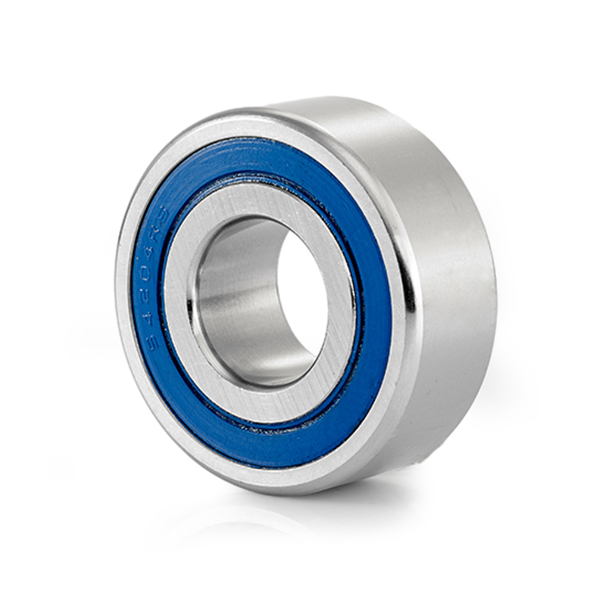
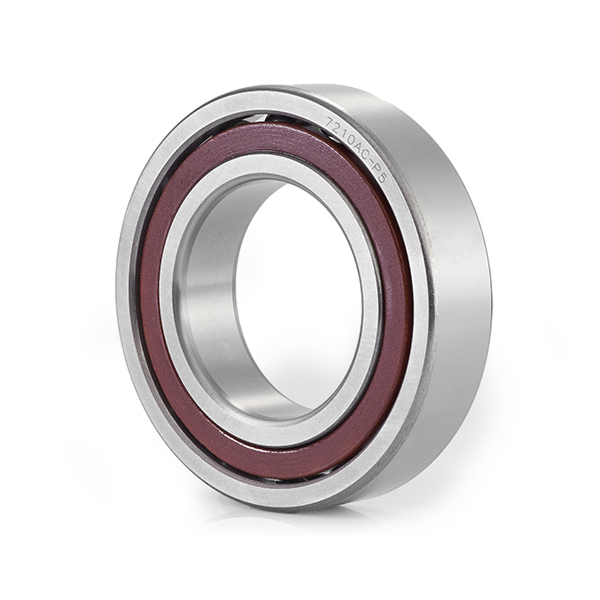
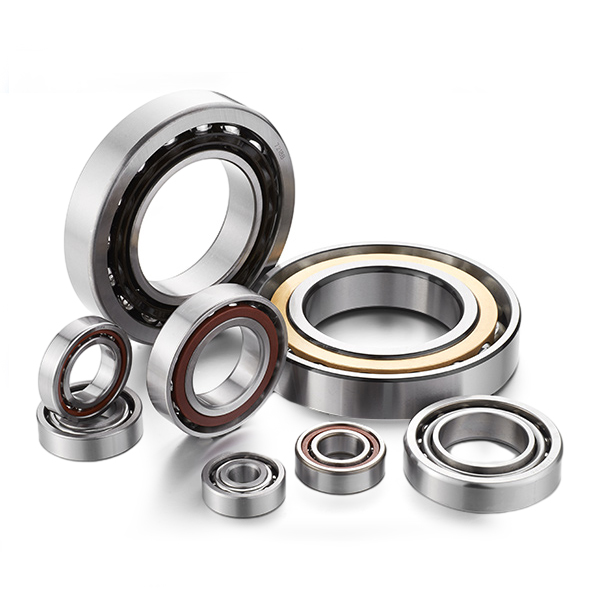
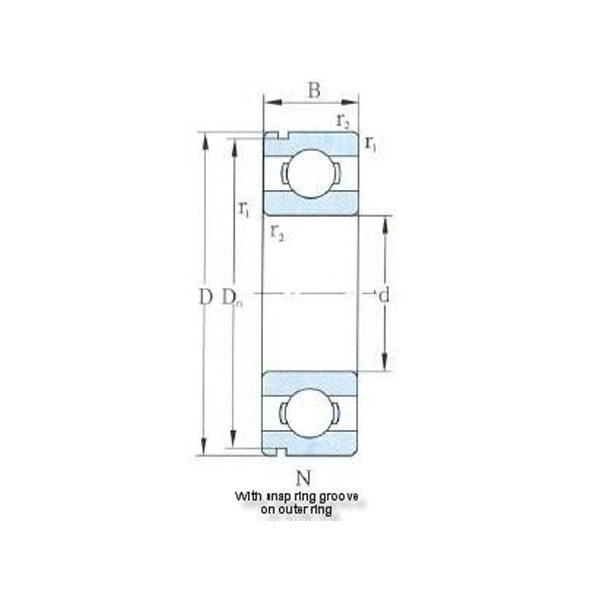
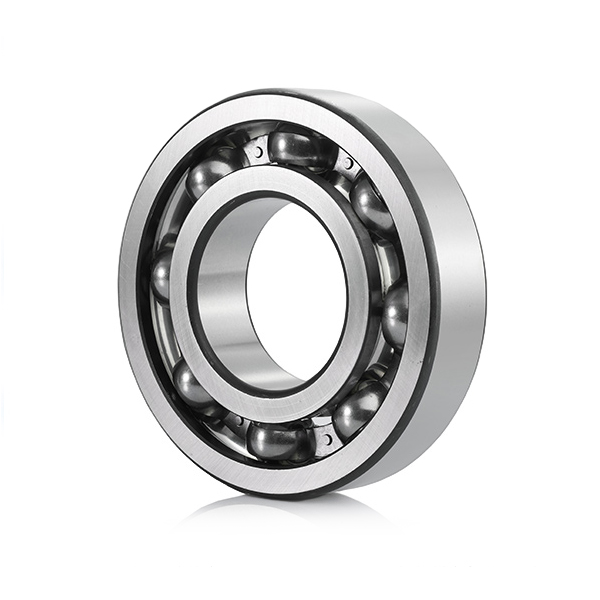
Deep groove ball bearings are one of the most commonly used types of bearings in a wide range of mechanical applications, particularly in high-speed machinery. These bearings are designed to accommodate both radial and axial loads, making them versatile and reliable components for various types of machinery. A deep groove ball bearing consists of an inner ring, outer ring, balls, and a cage that separates and holds the balls in place. The design allows the balls to move in a circular path between the inner and outer rings, enabling smooth rotational movement. In high-speed applications, the primary role of the bearing is to reduce friction and ensure the stability of rotating parts, thereby maintaining operational efficiency over time.
The core components of a deep groove ball bearing include the inner and outer rings, rolling elements (balls), and the cage. The inner ring is mounted on the shaft, while the outer ring is housed in the bearing housing. The balls are placed between the rings and are maintained in an evenly spaced pattern by the cage. As the bearing rotates, the balls roll smoothly between the rings, minimizing direct contact and reducing friction. This simple but effective structure enables deep groove ball bearings to provide both radial and axial load support with minimal wear and tear.
In high-speed applications, such as electric motors, turbines, and precision machinery, deep groove ball bearings play a critical role in stabilizing the rotating parts. At high speeds, the forces acting on the bearing increase, requiring the design to handle not only high rotational speeds but also to maintain stability under varying loads. A well-designed deep groove ball bearing helps maintain smooth and consistent rotation, preventing unwanted vibrations or excessive heat build-up. This is particularly important as heat can degrade the performance of the bearing, leading to premature failure if not properly managed.
Deep groove ball bearings are designed with several key features that enhance their performance in high-speed environments. One of the most important considerations is the design of the raceways, which are the grooves in the rings where the balls roll. These raceways are usually finely ground to a high degree of precision to minimize any friction or resistance. Furthermore, the number and size of the balls used in the bearing are optimized for the specific application, ensuring that the load is evenly distributed and that the bearing can perform reliably at high speeds.
Another important design consideration is the type of lubricant used in the bearing. Lubrication helps reduce friction and heat generation by providing a protective film between the rolling elements. For high-speed applications, specialized lubricants such as low-viscosity oils or grease are often employed to ensure smooth operation and to prevent the lubricant from breaking down under high-speed conditions. The choice of lubrication also impacts the bearing's ability to dissipate heat, which is crucial for maintaining the bearing's stability in demanding conditions.
In high-speed applications, one of the primary challenges is heat management. As the bearing rotates at high speeds, friction between the balls and raceways generates heat. If not properly controlled, this heat can cause the bearing to wear out prematurely or lead to operational failures. Deep groove ball bearings are designed to minimize friction through precise manufacturing processes, including surface polishing and the use of high-quality materials that reduce wear. Additionally, the use of specialized lubricants helps dissipate heat more efficiently, keeping the bearing at optimal operating temperatures.
Another heat-related concern is thermal expansion. As bearings heat up during operation, they may expand, which can affect their clearance and overall performance. Deep groove ball bearings are often made from materials with low thermal expansion coefficients, helping to maintain their dimensions even at elevated temperatures. This ensures that the bearing continues to function properly without compromising its stability or performance.
Deep groove ball bearings are capable of handling both radial and axial loads, but their ability to distribute these loads efficiently is essential to maintaining stability at high speeds. The distribution of load across the bearing helps reduce the risk of uneven wear, which can lead to vibration, noise, and potential failure. When a bearing is subjected to high-speed rotation, the load distribution becomes even more critical because any imbalance or misalignment can cause excessive forces on the bearing, leading to instability.
The design of the bearing, including the number and arrangement of the rolling elements, is optimized to ensure that the load is evenly distributed. In high-speed applications, where the load may fluctuate or change direction, the bearing’s ability to adjust to these variations is essential for maintaining stability. A well-maintained deep groove ball bearing can adapt to these dynamic conditions, ensuring continuous, smooth operation over time.
The material used for the balls in a deep groove ball bearing also plays a crucial role in its performance and stability. Most commonly, steel or ceramic materials are used for the balls, with each offering distinct advantages in high-speed applications. Steel balls are strong, durable, and cost-effective, but they may be more prone to wear and heat generation compared to ceramic balls. Ceramic balls, on the other hand, are lighter, harder, and have lower thermal expansion rates, making them better suited for high-speed and high-precision applications.
Additionally, ceramic balls generate less friction, which helps maintain a more stable operating temperature in high-speed environments. This results in lower energy losses and improved overall efficiency of the machinery in which the bearings are used. While ceramic balls tend to be more expensive than steel balls, their long-term performance benefits in high-speed applications may justify the added cost.
Several factors contribute to the overall life and stability of deep groove ball bearings in high-speed applications. These factors include the bearing’s design, the materials used, the quality of lubrication, and the operational conditions such as load, speed, and temperature. Overloading the bearing, for example, can cause excessive wear and increase the risk of failure, while operating the bearing at excessively high speeds without adequate lubrication or cooling can result in overheating and instability.
Environmental conditions also play a significant role in bearing performance. For example, exposure to contaminants such as dust, moisture, or chemicals can degrade the bearing’s components, leading to increased friction and wear. To combat this, deep groove ball bearings in high-speed applications are often sealed or shielded to protect the rolling elements from contaminants and reduce the need for frequent maintenance.
Regular maintenance and monitoring are essential to ensure that deep groove ball bearings continue to perform optimally in high-speed applications. Over time, the lubricant may break down, and wear on the bearing components may become noticeable. In such cases, replacing the lubricant or the bearing itself may be necessary to prevent premature failure. Monitoring the bearing’s operating temperature, noise levels, and vibration can provide valuable insights into its condition and help identify potential issues before they lead to failure.
In high-speed applications, where the consequences of bearing failure can be significant, proactive maintenance is critical. Regularly checking the bearing’s alignment, ensuring proper lubrication, and inspecting for signs of wear can help extend the bearing’s life and maintain its stability over time. Additionally, using condition monitoring systems can provide real-time data on bearing performance, helping operators make informed decisions about when to perform maintenance or replace the bearing.
Deep groove ball bearings are used in a wide range of high-speed applications, including automotive engines, electric motors, turbines, and industrial machinery. In each of these applications, the bearing’s ability to handle high-speed rotation while maintaining stability and minimizing friction is critical to the overall performance of the machine.
For example, in electric motors, deep groove ball bearings help ensure smooth rotation of the rotor at high speeds, reducing energy losses and preventing overheating. Similarly, in automotive engines, these bearings support the movement of components such as the crankshaft and camshaft, allowing them to rotate at high speeds without compromising stability or performance. In turbines and other high-speed machinery, deep groove ball bearings are essential for maintaining operational efficiency and preventing damage to the rotating parts due to excessive friction or instability.

Copyright © Ningbo Demy (D&M) Bearings Co., Ltd. All Rights Reserved.
 OEM/ODM Industrial Bearing Manufacturers

 Search
 EN
EN English
 Español