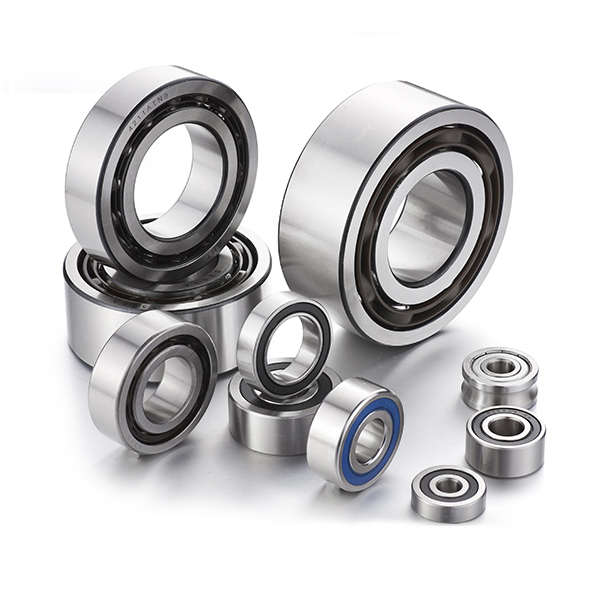
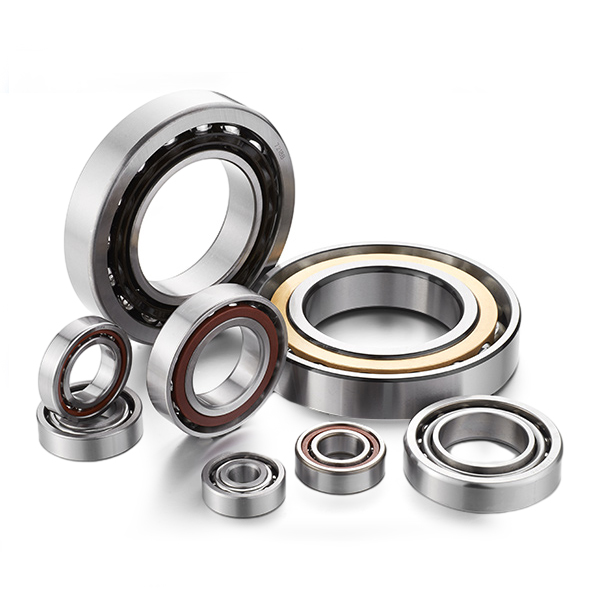
The corrosion and moisture resistance of deep groove ball bearings is closely connected to the material composition used in their construction. These bearings are generally produced from chromium steel, stainless steel, or hybrid structures that incorporate ceramic rolling elements. Chromium steel serves as a common choice due to its balanced hardness and reasonable resistance to surface oxidation under moderate exposure. Stainless steel offers improved resistance in humid or chemically active environments because its alloying elements, such as chromium and nickel, create a stable passive film that reduces oxidation in the presence of moisture. In some high-moisture or corrosive conditions, hybrid deep groove ball bearings are used, where ceramic balls reduce the risk of chemical reaction and lower the chances of rust formation caused by water or dissolved salts. Therefore, the inherent material properties play an essential role in determining how effectively a bearing withstands varied environmental conditions.
Surface treatments and protective coatings contribute meaningfully to the moisture resistance of deep groove ball bearings by reinforcing their protective layers. Common coatings include zinc plating, nickel plating, and black oxide treatments, each designed to create a barrier between the metal surface and moisture. These coatings can reduce the likelihood of oxidation when bearings encounter condensation, water splashes, or humid air. In applications where bearings are exposed to cleaning chemicals, saltwater, or industrial moisture, more advanced coatings such as PTFE-based layers or anti-corrosion polymer films help maintain performance stability. Although coatings do not change the core material, they enhance the surface’s ability to resist rust formation. Because coatings wear over time, routine inspection and lubrication are crucial for preserving their protective effect. When coatings are selected appropriately, deep groove ball bearings can operate effectively in environments with fluctuating humidity.
Lubrication plays a major role in protecting deep groove ball bearings from moisture-related degradation. The lubricating grease or oil forms a thin hydrophobic barrier that prevents water molecules from contacting the metal surface. In humid or high-moisture environments, specialized lubricants designed with enhanced water resistance help maintain stable viscosity even when small amounts of moisture attempt to interact with the bearing surfaces. Some lubricants incorporate additives that inhibit corrosion by neutralizing potential chemical reactions associated with water or salts. The quality and consistency of lubrication determine how well a bearing can resist moisture penetration, and maintaining a regular lubrication schedule becomes essential in damp settings. Because inadequate lubrication can lead to oxidation, friction increase, or premature wear, proper lubricant selection is an important factor in supporting the moisture resistance of deep groove ball bearings.
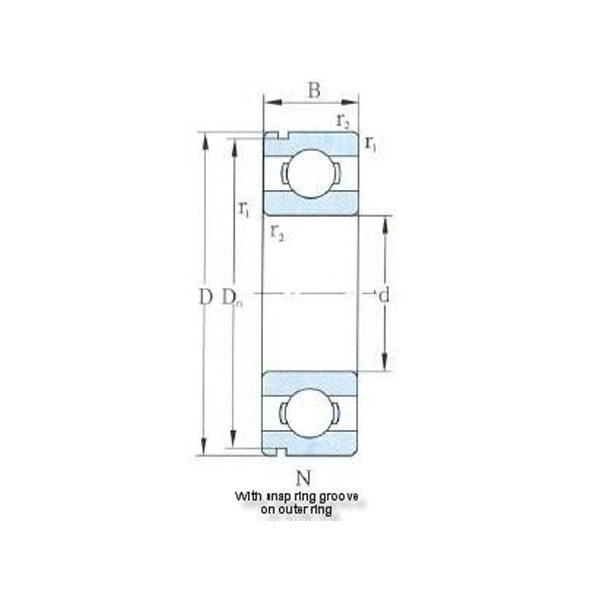
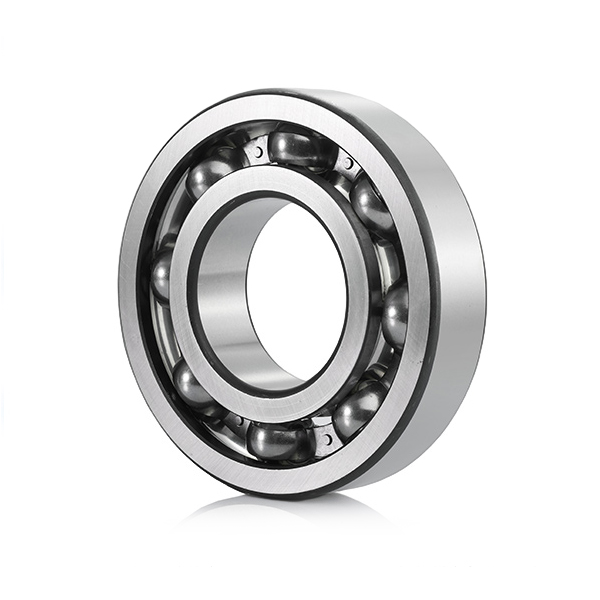
The internal structure of deep groove ball bearings affects how they respond to humid or wet conditions. Their design includes raceways that closely conform to the rolling elements, which promotes smooth rotation while limiting the entry of contaminants. This structure does not make the bearing waterproof, but it reduces the likelihood of direct water intrusion when paired with appropriate sealing systems. The precision of the internal clearance also affects how moisture interacts with rolling surfaces. A tighter clearance may reduce internal moisture accumulation, while a larger clearance may allow water to settle between elements if the bearing is improperly sealed. Therefore, the structural relationship between raceways, cages, and rolling elements influences moisture management during operation. Proper integration of seals ensures that this internal structure remains protected in damp conditions.
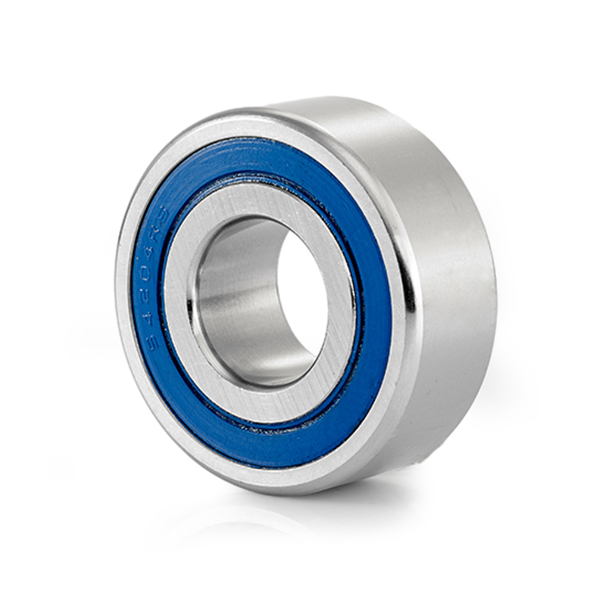
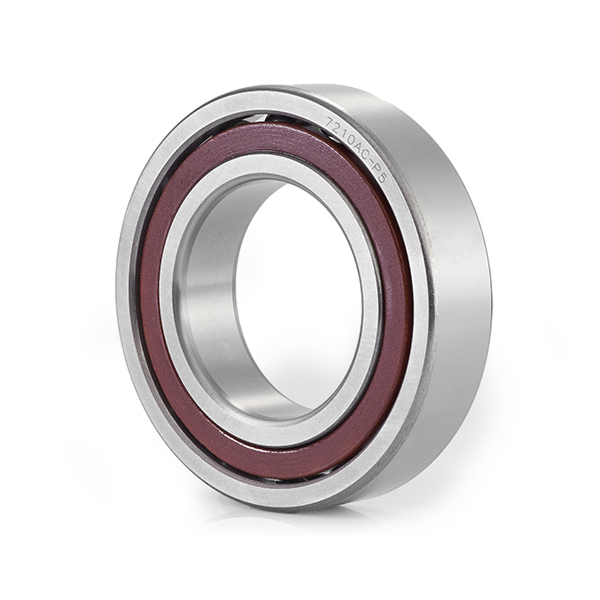
Seals play a crucial role in preventing moisture from reaching the interior surfaces of deep groove ball bearings. Rubber seals, such as nitrile or fluorine rubber, create a flexible and reliable barrier that limits moisture ingress during bearing rotation. These seals help retain lubrication while blocking water droplets, airborne humidity, and fine particles. Metal shields provide an alternative sealing method, offering resistance to splashes but not providing the same level of moisture isolation as rubber seals. The selection of seals depends on environmental exposure and operational speed requirements. In environments with high humidity or occasional liquid contact, rubber seals generally offer better moisture protection. As a result, seal design becomes an important feature that supports the overall corrosion resistance of deep groove ball bearings.
The corrosion and moisture resistance of deep groove ball bearings depends greatly on the external conditions in which they operate. Industrial facilities with frequent exposure to steam, cleaning solutions, or cooling fluids may cause metal surfaces to interact with moisture more often. Outdoor applications may expose bearings to rainfall, dew, and atmospheric humidity, all of which can lead to oxidation if no protective measures are taken. Chemical exposure adds another layer of complexity, as moisture containing dissolved salts or acids accelerates the corrosion process. In cold environments where condensation frequently forms on equipment, bearings face cyclic exposure to water droplets that can seep past weakened seals. Because environmental variables influence corrosion behaviors, a bearing’s material and protective systems must match its working surroundings to maintain its performance stability.
Different bearing materials perform differently in humid or corrosive environments. Chromium steel offers a balanced profile for general-purpose use but is not suited for continuous moisture exposure. Stainless steel withstands longer periods of contact with water because of its chromium-rich passive layer. Ceramic hybrid deep groove ball bearings provide the highest resistance to oxidation of rolling elements, particularly in situations where lubrication is inconsistent or intermittent. Choosing the correct material ensures that the bearing can sustain its mechanical performance without being affected by moisture. The table below outlines typical behaviors associated with common bearing materials when exposed to humidity.
| Bearing Material | Moisture Resistance Level | Typical Application | Performance Consideration |
| Chromium Steel | Moderate | General machinery | Needs regular lubrication to avoid corrosion |
| Stainless Steel | Higher | Food processing, marine use | Better resistance to humidity exposure |
| Ceramic Hybrid | Very High | High-speed and corrosive environments | Rolling elements resist chemical reactions |
Operating conditions such as speed and load influence how effectively deep groove ball bearings handle moisture exposure. Higher rotational speeds tend to generate heat, which can cause moisture to evaporate more quickly, reducing the chance of water pooling inside the bearing. However, excessively high temperatures may deteriorate lubricants, weakening their protective barrier. Conversely, low-speed applications may allow moisture to remain in contact with rolling elements longer, increasing oxidation risk. Load conditions also affect moisture behavior. Heavier loads may squeeze lubrication away from contact points, allowing moisture to reach metal surfaces more easily if seals are not functioning properly. Therefore, the overall performance of deep groove ball bearings in humid environments is influenced by the relationship between speed, load, lubrication, and sealing.
Humidity and condensation present unique challenges because water can accumulate gradually rather than through direct exposure. Condensation forms when equipment cools quickly, especially in environments where temperature changes frequently. This thin moisture layer can settle inside shields or seals if the bearing is not adequately protected. Over time, condensation leads to small patches of oxidation on raceways or rolling elements, which may gradually expand under repetitive stress. In some bearings, micro-pitting may occur if moisture remains trapped under the lubrication film. The way deep groove ball bearings respond to condensation depends largely on material type, lubrication quality, and seal integrity. Routine inspection and maintenance are recommended in environments where condensation is common.
Certain industries rely heavily on deep groove ball bearings that demonstrate dependable moisture resistance. Food processing plants, for instance, involve regular equipment washing and exposure to wet surfaces. Stainless steel bearings are often used in such environments to maintain hygienic conditions and reduce rust risk. Marine operations require bearings capable of resisting saltwater exposure, making corrosion-resistant materials highly important. Agricultural machinery frequently encounters humid conditions or water from irrigation systems, requiring bearings that can tolerate seasonal moisture variations. In manufacturing facilities where coolant or cutting fluids are present, hybrid bearings help reduce moisture-related damage. These scenarios demonstrate how environmental demands shape the selection of deep groove ball bearings for long-term reliability.
Maintenance plays an important role in ensuring that deep groove ball bearings remain resistant to corrosion and moisture. Regular lubrication replenishes the protective barrier and helps displace trapped moisture. Cleaning routines ensure that contaminants such as salts, acids, or industrial chemicals do not remain on bearing surfaces for extended periods. Seal inspection is equally important, as worn seals may no longer prevent moisture ingress. Replacing damaged or degraded seals can significantly extend bearing life. In applications where moisture exposure is unavoidable, more frequent maintenance intervals help maintain stable performance. By following proper maintenance procedures, operators can maximize the resistance of bearings even when environmental conditions fluctuate.
Several testing standards evaluate how well deep groove ball bearings resist corrosion and moisture. Salt spray testing assesses how a bearing performs when exposed to saline mist, simulating marine or chemical environments. Humidity chamber testing evaluates the bearing’s ability to withstand constant moisture saturation. Other tests simulate industrial fluids, such as coolants or cleaning agents, to determine how the bearing material reacts to different combinations of water and chemicals. These standardized evaluations help manufacturers determine which coatings, materials, or structural designs are most effective in enhancing moisture protection. They also guide users in selecting bearings suitable for demanding applications where corrosion is a concern.
Different sealing configurations influence how deep groove ball bearings respond to moisture exposure. Rubber-sealed bearings offer strong moisture protection, making them suitable for humid environments. Metal shields provide moderate protection and are preferred in high-speed applications where minimal friction is necessary. Open bearings, lacking seals, are more vulnerable to moisture and require frequent lubrication or protective measures. The table below summarizes the typical moisture resistance characteristics of different seal types.
| Seal Type | Moisture Protection | Speed Compatibility | Typical Application |
| Rubber Seal | High | Moderate | Humid and outdoor environments |
| Metal Shield | Moderate | High | High-speed machinery |
| Open Bearing | Low | High | Clean and controlled environments |
Selecting deep groove ball bearings for moisture-resistant applications involves evaluating several factors such as material type, seal configuration, lubrication requirements, and expected exposure conditions. Users should consider whether the environment involves occasional moisture contact, constant humidity, or chemical-laden water. Stainless steel or hybrid bearings are better suited for environments where moisture is unavoidable. Choosing the correct lubrication helps reinforce moisture protection. Additionally, users should assess the operational load and speed to ensure that the bearing’s internal design supports stable performance under specific conditions. By aligning selection criteria with environmental demands, operators can achieve more reliable outcomes when using deep groove ball bearings in various industrial and outdoor settings.

Copyright © Ningbo Demy (D&M) Bearings Co., Ltd. All Rights Reserved.
 OEM/ODM Industrial Bearing Manufacturers

 Search
 EN
EN English
 Español