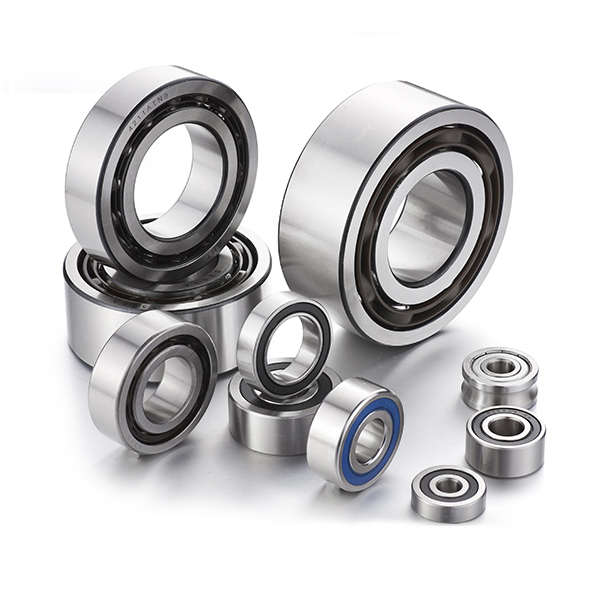
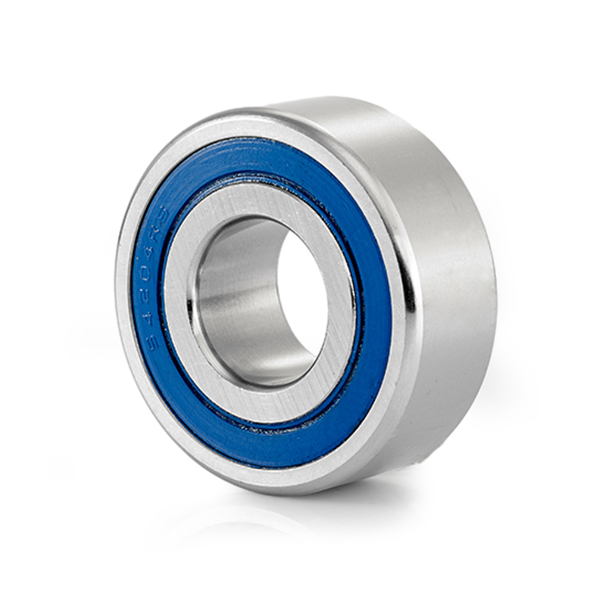
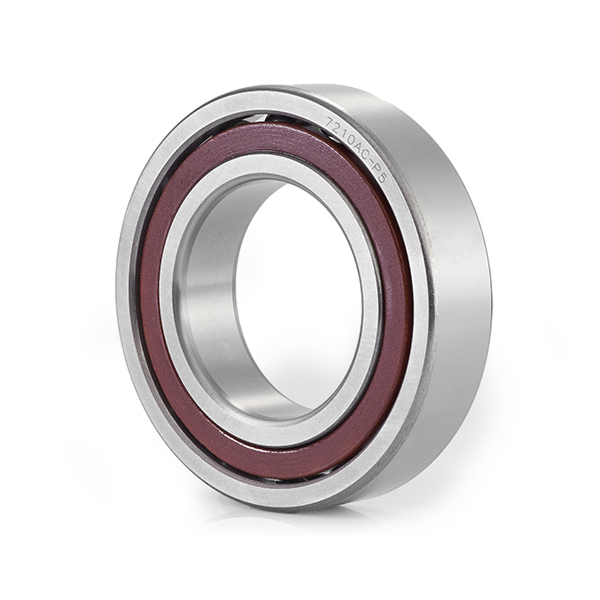
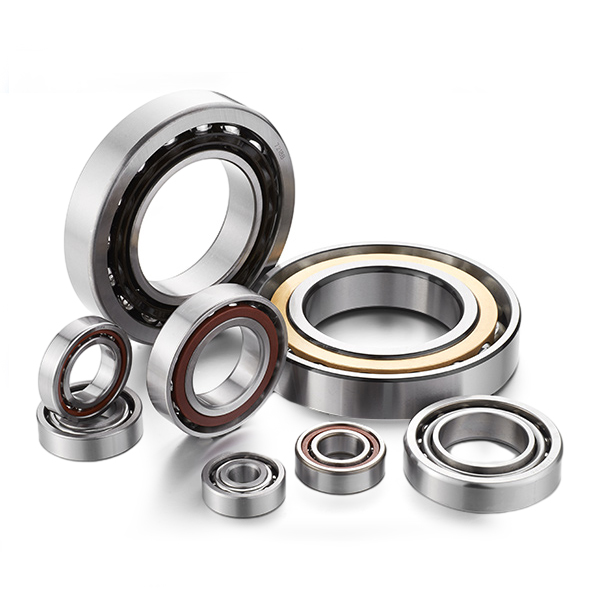
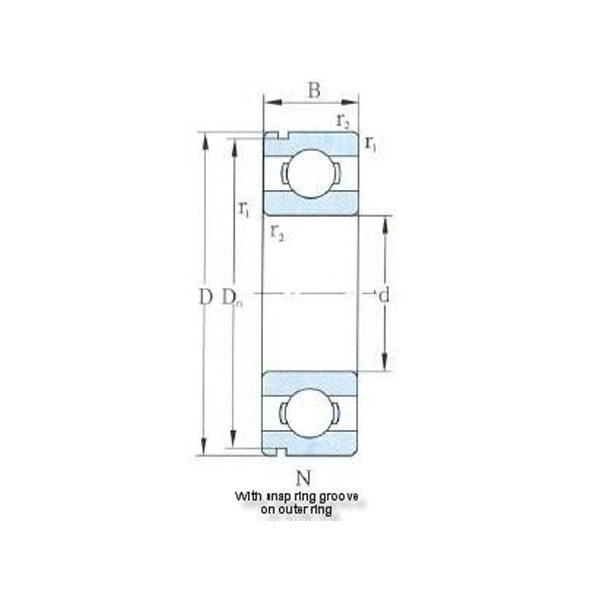
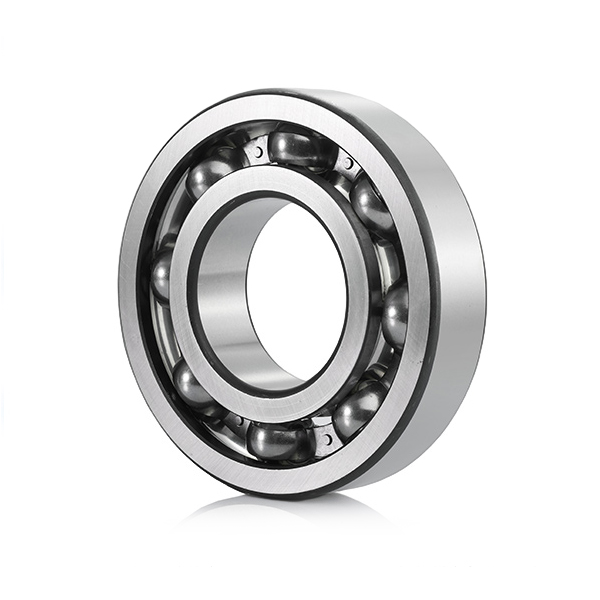
Cylindrical roller bearings are an essential component in a wide range of machinery and equipment. These bearings consist of cylindrical rollers that reduce friction and allow for smooth rotation within various mechanical systems. Due to their design, cylindrical roller bearings are capable of handling both radial and axial loads, making them particularly useful in high-load applications like motors, pumps, and automotive systems. However, like all mechanical components, they are subject to wear and tear over time. Knowing when to replace cylindrical roller bearings is crucial for maintaining the performance and safety of the equipment.
Regular inspection and maintenance are vital for extending the lifespan of cylindrical roller bearings. Bearings work under constant load and friction, which can cause degradation over time. Failure to properly monitor the condition of the bearings can lead to more significant issues, such as premature failure of the entire system. Performing routine checks helps identify wear patterns, misalignments, and potential damage before they lead to catastrophic failure. By staying vigilant about the health of your cylindrical roller bearings, you can avoid costly repairs and downtime, ensuring the continued functionality of your machinery.
Understanding the causes of bearing wear and failure is essential for identifying when replacement is necessary. There are several factors that contribute to the deterioration of cylindrical roller bearings. One common cause is inadequate lubrication. Bearings require proper lubrication to reduce friction and prevent overheating. Without sufficient lubrication, friction increases, leading to accelerated wear and eventual failure. Overloading is another contributing factor. If the bearing is subjected to loads beyond its rated capacity, it can cause deformation and excessive wear. Contamination, whether from dust, dirt, or water, can also lead to bearing failure. Contaminants can introduce abrasive particles into the bearing, causing damage to the rollers and raceways. Lastly, poor alignment or improper installation can result in uneven load distribution, which stresses the bearing and causes premature wear.
Several telltale signs indicate that cylindrical roller bearings may need to be replaced. These signs include unusual noises, excessive vibration, temperature fluctuations, and visible damage. If you notice any of these symptoms, it's important to take action promptly to prevent further damage to the equipment. One of the most common indicators is the presence of abnormal noise, such as grinding, squeaking, or knocking. These sounds are usually caused by damaged rollers or raceways. Excessive vibration is another indication that the bearings may no longer be functioning correctly. Vibrations can be caused by uneven wear, misalignment, or damage to the rolling elements. Temperature changes, such as the bearing becoming excessively hot, can also signal that the bearing is experiencing too much friction or is not properly lubricated. Visible damage, such as pitting, cracks, or discoloration of the bearing's surface, is a clear sign that replacement is necessary.
Performing a visual inspection is one of the simplest and most effective ways to assess the condition of cylindrical roller bearings. During the inspection, look for signs of surface damage, such as pitting, scoring, or cracks. Pitting occurs when small areas of the bearing surface become damaged due to repeated stress, leading to the formation of tiny craters. This damage can significantly reduce the bearing’s ability to operate smoothly and should be addressed immediately. Scoring, which appears as shallow grooves or scratches on the bearing’s surface, can be caused by dirt, debris, or lack of lubrication. Cracks in the bearing raceways or rollers are also a clear sign of damage and may indicate that the bearing is no longer able to perform its function effectively. Additionally, inspect the bearing for signs of corrosion or discoloration, which can result from exposure to moisture or harsh environments. Corrosion weakens the bearing material and can lead to premature failure.
Vibration analysis is a useful method for detecting problems with cylindrical roller bearings that may not be visible during a routine inspection. Vibration monitoring devices can measure the frequency and intensity of vibrations within the system. Unusual vibrations often correlate with bearing defects such as imbalance, misalignment, or worn-out rollers. By monitoring vibration levels, you can identify changes in the system’s performance that may indicate bearing issues. Consistent vibration patterns over time can help predict when the bearings will need replacement. If the vibration levels exceed the manufacturer’s recommended limits, this is a clear sign that the bearings may be compromised and need to be replaced. Regular vibration monitoring can also help identify issues before they cause significant damage to other components in the system.
Another important indicator of bearing health is the temperature of the cylindrical roller bearings. Bearings that are overheating may indicate increased friction due to insufficient lubrication or misalignment. An excessively high temperature can cause the bearing to expand and increase the risk of permanent damage. To monitor temperature, infrared thermometers or temperature sensors can be used to track changes in the bearing’s surface temperature. If the temperature consistently rises above the normal operating range, this may suggest that the bearing is under stress and is in danger of failing. Regular temperature monitoring is a critical practice in ensuring the longevity of cylindrical roller bearings and preventing potential failures caused by overheating.
Lubrication plays a key role in the performance and longevity of cylindrical roller bearings. Without proper lubrication, the rollers experience increased friction, which can cause overheating, wear, and eventual failure. Assessing the lubrication condition is essential for identifying when bearings need to be replaced. Signs of inadequate lubrication include the presence of dry spots or visible wear marks on the rollers or raceways. Additionally, if the lubrication is contaminated with dirt, water, or debris, it can lead to accelerated bearing wear. It’s important to regularly check the lubrication level and condition, as well as to replace the lubricant according to the manufacturer’s recommendations. If lubrication issues are present, resolving them may prolong the bearing’s life. However, if the bearing has already suffered significant damage due to poor lubrication, it may be time to replace it entirely.
Ultrasonic testing is a non-destructive method used to detect internal damage or flaws within cylindrical roller bearings. By using high-frequency sound waves, ultrasonic testing can reveal cracks, voids, or other imperfections that may not be visible during a visual inspection. This testing method can provide valuable insights into the condition of the bearing and help identify areas that may be at risk of failure. Ultrasonic testing is particularly useful for bearings that are operating in harsh environments, where internal damage may occur without any obvious external signs. If ultrasonic testing reveals internal flaws, it is often a clear indicator that the bearing needs to be replaced before it fails completely.
Load testing involves applying increasing levels of stress or load to the bearing and observing its performance. This testing can help identify when a bearing is operating beyond its rated capacity or when it is beginning to show signs of fatigue. Cylindrical roller bearings are designed to handle specific load capacities, and exceeding these limits can lead to deformation or failure. Load testing can help determine if the bearing is still capable of handling the intended load or if it has weakened over time. If the bearing exhibits abnormal performance under load, such as excessive deflection or noise, this may suggest that the bearing is no longer functioning correctly and should be replaced.
In some cases, replacing cylindrical roller bearings is part of a preventive maintenance schedule based on usage and environmental factors. Bearings that are exposed to harsh conditions, such as high temperatures, high humidity, or heavy contamination, may require more frequent replacement compared to those in more controlled environments. Additionally, bearings that are used in high-load applications or that operate at high speeds may wear out more quickly and require more regular inspection and replacement. By developing a replacement schedule based on the specific conditions and usage patterns of your equipment, you can ensure that cylindrical roller bearings are replaced before they fail, thus avoiding costly downtime and potential damage to other components.
Determining when cylindrical roller bearings need to be replaced involves careful inspection, monitoring, and testing to detect signs of wear, damage, or performance issues. Regular visual inspections, vibration analysis, temperature monitoring, and lubrication checks are essential practices for maintaining bearing health. Additionally, ultrasonic testing and load testing can provide valuable insights into internal bearing condition and performance. By staying proactive in your maintenance routine and addressing issues as soon as they arise, you can extend the life of your cylindrical roller bearings and ensure that your machinery continues to operate smoothly and efficiently. Understanding the signs that indicate a bearing needs replacement is crucial for preventing unexpected failures and ensuring the ongoing reliability of your equipment.

Copyright © Ningbo Demy (D&M) Bearings Co., Ltd. All Rights Reserved.
 OEM/ODM Industrial Bearing Manufacturers

 Search
 EN
EN English
 Español