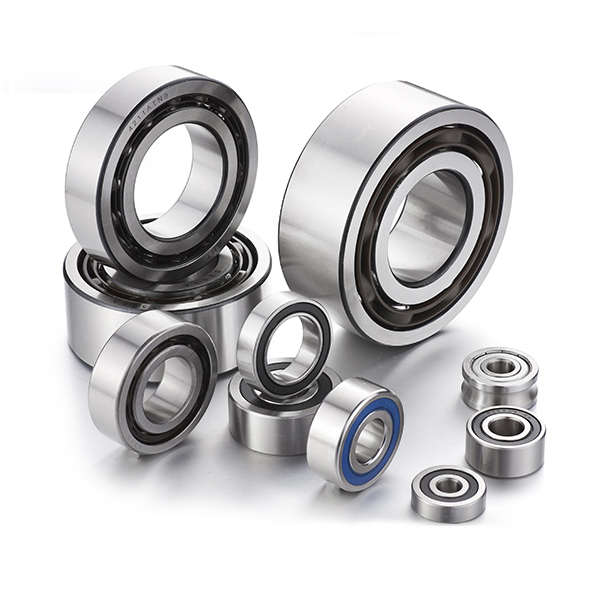
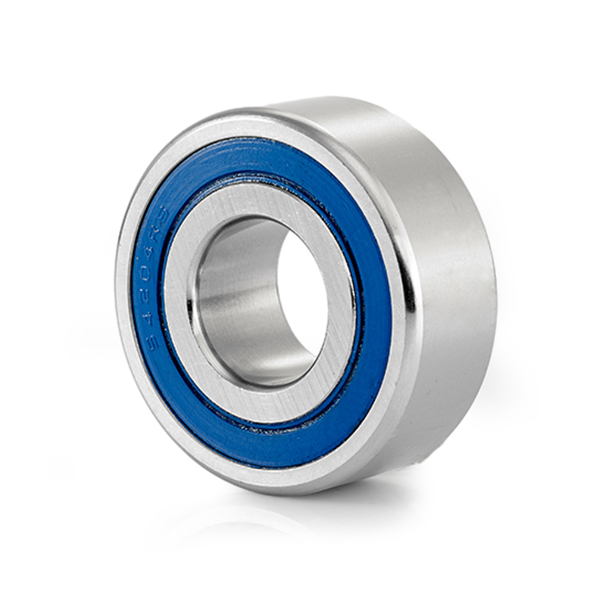
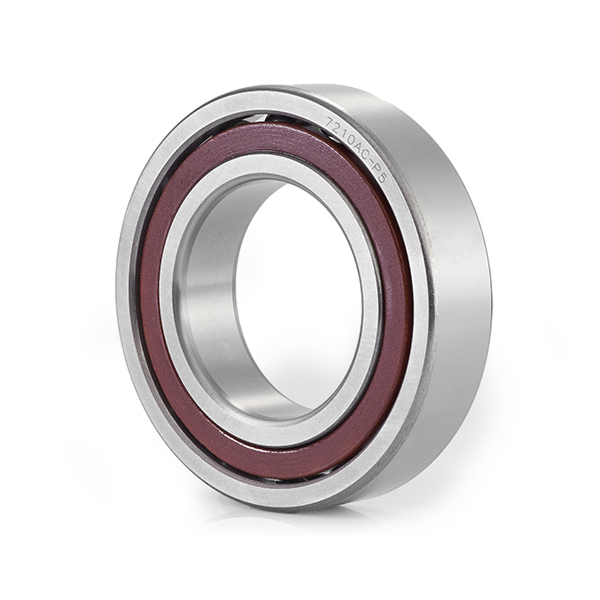
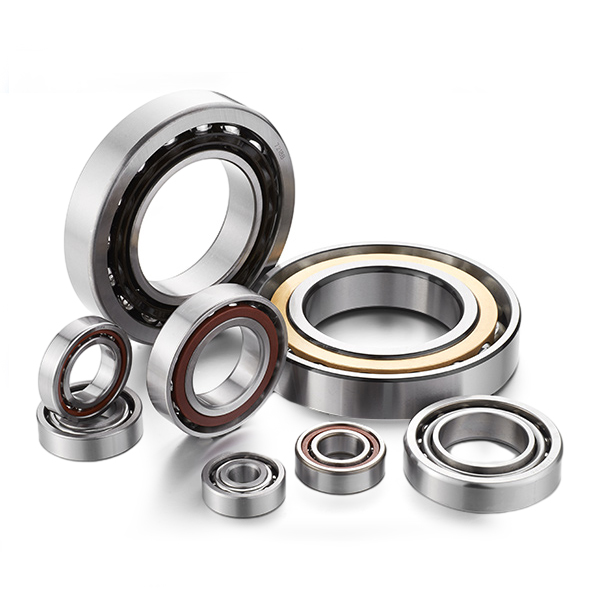
Spherical roller bearings are among the most reliable bearing solutions for heavy industrial equipment because they can support extremely high radial loads, tolerate shaft misalignment, and operate under harsh working conditions. Their self-aligning structure allows machinery to maintain stable performance even when vibration, shaft deflection, or installation inaccuracies occur.
Industries such as mining, steel production, cement processing, paper manufacturing, marine transportation, and power generation rely heavily on spherical roller bearings to maintain operational stability. These bearings are designed to perform under conditions that often include shock loading, contamination, elevated temperatures, and continuous operation.
Compared with standard rolling bearings, spherical roller bearings offer higher durability and longer service life in demanding environments. Their internal geometry allows the rolling elements to adjust automatically to shaft and housing misalignment, helping reduce stress concentrations that may otherwise lead to premature failure.
Modern industrial systems continue to increase equipment loads and production speeds. As a result, the demand for high-capacity bearings with strong fatigue resistance and reliable lubrication performance has grown significantly across global manufacturing sectors.
Spherical roller bearings use two rows of barrel-shaped rollers positioned between an inner ring and a shared spherical outer raceway. This design enables the bearing to compensate for angular misalignment while maintaining smooth rotational movement.
The spherical outer raceway allows the rollers and inner ring to rotate freely even when the shaft is slightly misaligned relative to the housing. This feature is particularly important in heavy machinery where shaft bending or mounting inaccuracies may occur during operation.
The large contact area between the rollers and raceways distributes loads efficiently across multiple rolling elements. This reduces localized stress and improves fatigue resistance.
Spherical roller bearings are especially effective in applications where high radial loads are combined with moderate axial loads.
Lubrication minimizes metal-to-metal contact between rolling surfaces and helps dissipate heat generated during operation. Proper lubrication also reduces wear and extends bearing service life.
| Component | Primary Function | Operational Benefit |
|---|---|---|
| Outer Raceway | Supports self-alignment | Compensates for shaft deviation |
| Barrel Rollers | Carry radial loads | High load capacity |
| Inner Ring | Transfers shaft motion | Stable rotational movement |
| Cage Assembly | Separates rollers | Reduced friction and wear |
Spherical roller bearings offer several operational advantages that make them suitable for severe industrial environments.
The dual-row roller configuration enables these bearings to handle heavy radial loads efficiently. This capability is critical for large rotating equipment operating under constant stress.
Shaft deflection and housing deformation are common in heavy industrial machinery. Self-aligning functionality helps reduce edge stress and premature bearing damage.
Mining crushers, vibrating screens, and industrial conveyors often generate sudden impact loads. Spherical roller bearings are designed to withstand these demanding conditions.
Improved load distribution and optimized internal geometry contribute to reduced fatigue and longer operational lifespan.
The versatility of spherical roller bearings makes them suitable for a wide range of industrial applications involving heavy loads and difficult operating conditions.
Mining machinery often operates under heavy contamination, vibration, and shock loading. Crushers, conveyors, grinding mills, and vibrating screens depend on durable bearing systems for continuous operation.
Steel mills expose bearings to elevated temperatures, heavy rolling loads, and constant vibration. Spherical roller bearings are commonly used in rolling mills and material handling systems.
Paper production lines require stable rotational accuracy and long-term durability under high-speed operating conditions.
Wind turbine systems experience variable loads and shaft movement caused by changing wind conditions. Bearings with self-aligning capability improve operational stability.
| Industry | Typical Equipment | Primary Operational Challenge |
|---|---|---|
| Mining | Crushers and conveyors | Shock loads and dust contamination |
| Steel Production | Rolling mills | Heavy loads and heat exposure |
| Paper Manufacturing | Drying rollers | Continuous high-speed operation |
| Wind Energy | Gearboxes and shafts | Variable dynamic loading |
Several operating conditions directly affect the performance and lifespan of spherical roller bearings.
Insufficient lubrication increases friction and heat generation, accelerating surface wear and fatigue damage.
Studies in industrial rotating equipment show that lubrication-related issues account for a significant percentage of premature bearing failures.
Dust, moisture, and metal particles can damage rolling surfaces and reduce operational life. Proper sealing systems help minimize contamination risks.
Excessive temperatures may degrade lubricants and alter material hardness, reducing bearing durability.
Improper mounting procedures can create uneven load distribution and increase vibration levels during operation.
Preventive maintenance significantly improves bearing reliability and reduces unexpected equipment downtime.
Lubricants should be monitored for contamination, viscosity changes, and degradation over time.
Condition monitoring systems can detect early signs of wear, imbalance, or alignment issues before catastrophic failure occurs.
Damaged seals increase contamination exposure and lubricant leakage. Timely replacement helps maintain internal bearing cleanliness.
Abnormal temperature increases may indicate lubrication problems, overload conditions, or internal damage.
| Maintenance Activity | Purpose | Operational Benefit |
|---|---|---|
| Lubricant Inspection | Reduce friction | Extended service life |
| Vibration Analysis | Detect early damage | Reduced downtime |
| Seal Replacement | Prevent contamination | Improved cleanliness |
| Temperature Monitoring | Identify overload conditions | Enhanced operational safety |
Advances in bearing steel quality and heat treatment technology have significantly improved the performance of spherical roller bearings.
Modern steel refining processes reduce non-metallic inclusions that may initiate fatigue cracks during long-term operation.
Carefully controlled heat treatment processes improve wear resistance while maintaining sufficient material toughness.
Cage designs have evolved to improve lubrication flow, reduce friction, and increase rotational stability at higher operating speeds.
Enhanced metallurgy and precision manufacturing continue to increase bearing reliability in heavy industrial applications where downtime costs can be extremely high.
The future development of spherical roller bearings is closely connected to industrial automation, energy efficiency, and predictive maintenance technologies.
Integrated sensors are increasingly used to monitor temperature, vibration, rotational speed, and lubrication conditions in real time.
Reducing friction losses helps industrial facilities lower power consumption and improve equipment efficiency.
Advanced surface treatments and coating technologies are improving wear resistance and reducing sensitivity to contamination.
Industrial facilities are increasingly combining bearing monitoring data with predictive maintenance software to reduce unplanned shutdowns and optimize maintenance scheduling.
As industrial equipment becomes larger, faster, and more automated, spherical roller bearings will continue to serve as essential components for maintaining heavy-load reliability, operational safety, and long-term machinery performance.

Copyright © Ningbo Demy (D&M) Bearings Co., Ltd. All Rights Reserved.
 OEM/ODM Industrial Bearing Manufacturers

 Search
 EN
EN English
 Español