A whining noise at idle is rarely the pump itself failing — it's almost always the bearing inside it giving out first.
A water pump bearing does a deceptively demanding job: it supports a shaft that's simultaneously being pulled sideways by belt tension, pushed axially by the impeller's thrust against coolant pressure, and exposed to heat radiating off the engine block. Very few bearings in a vehicle face that combination of radial load, axial load, and thermal stress at once, which is exactly why bearing failure — not impeller wear or housing cracks — is the most common reason a water pump gets replaced. Understanding how bearing types differ, and how bearing failure shows up differently than seal failure, makes diagnosis faster and replacement decisions more confident.
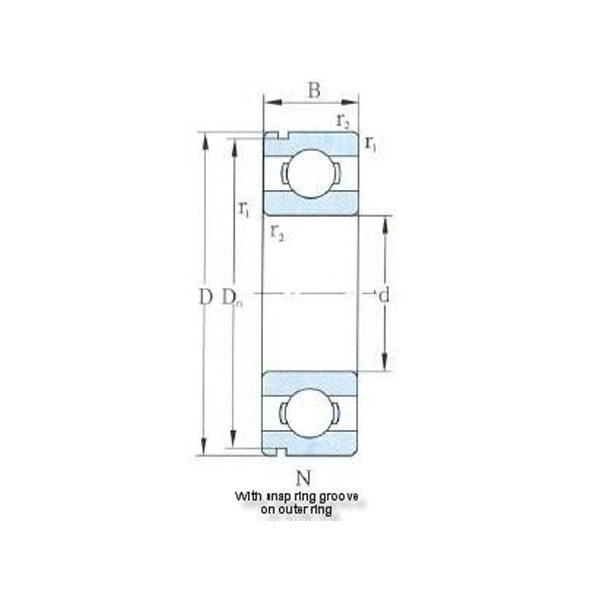
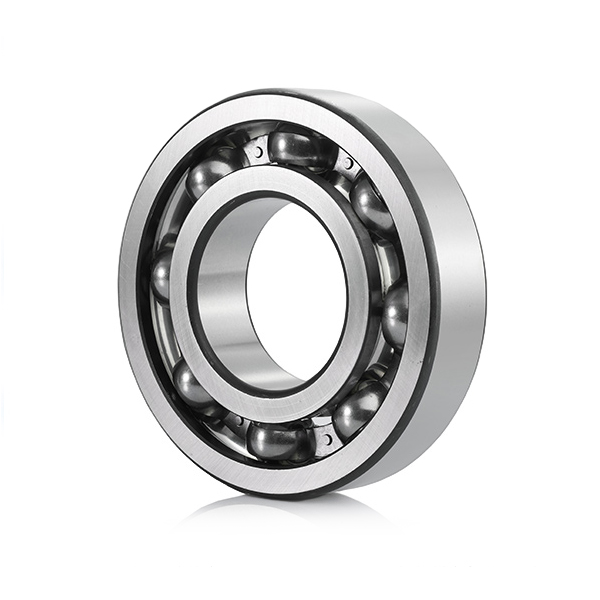
Water pump bearings must resist both radial load from belt tension and axial thrust from the impeller simultaneously.
Most modern water pumps are sold as a sealed bearing-and-housing assembly rather than a bearing that can be replaced alone.
Bearing wear and seal failure produce distinct symptoms, though both eventually show up as noise or leaking at the pump.
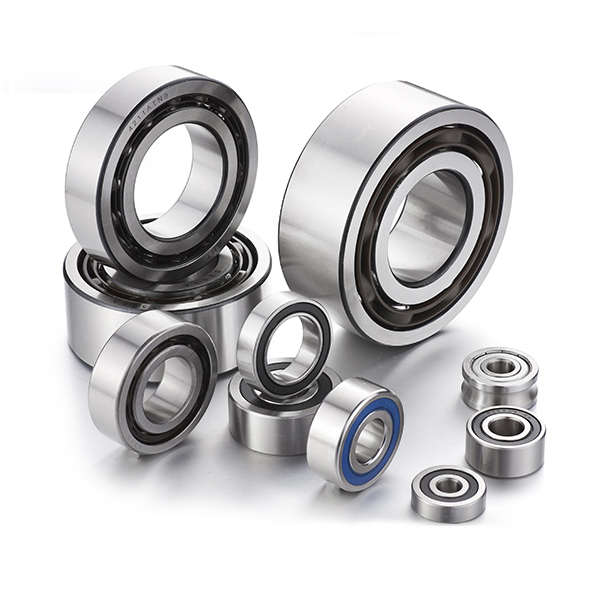
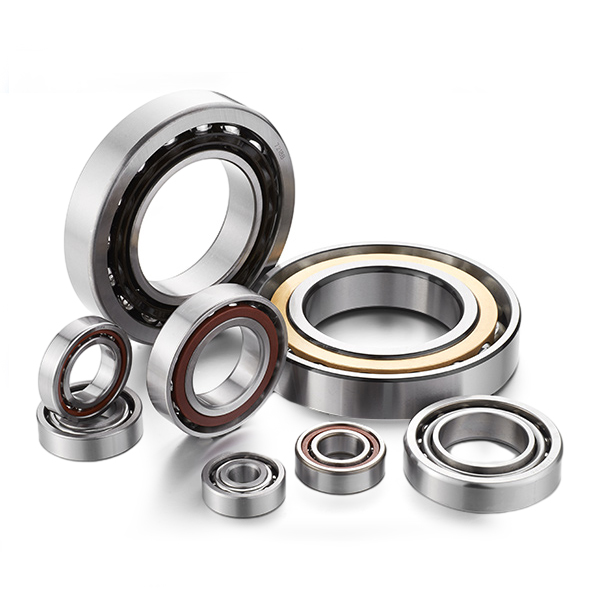
Not every water pump uses the same bearing arrangement internally, and the choice comes down to how much combined radial and axial load the specific engine platform places on the shaft.
| Configuration | Load Handling | Typical Application |
| Single-row deep groove ball bearing | Good radial load capacity, moderate axial support | Lighter-duty passenger car applications |
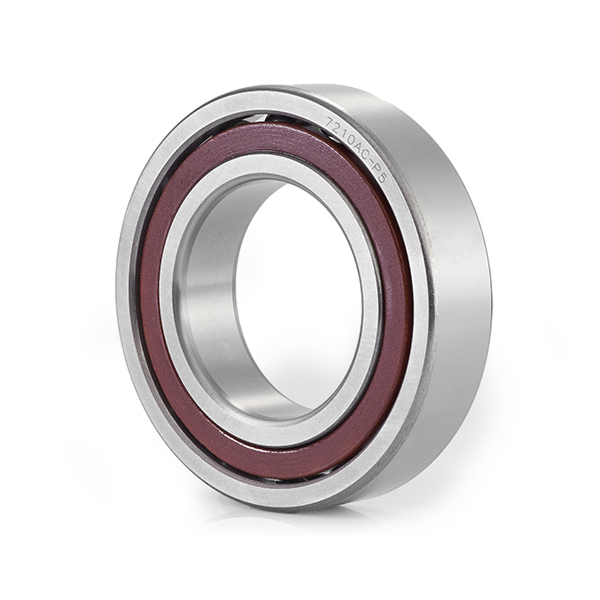
| Double-row angular contact bearing | Higher combined radial and axial load capacity | Higher belt-tension setups and heavy-duty applications |
Double-row configurations cost more to manufacture but tolerate the higher belt tension used on serpentine-belt systems driving multiple accessories, which is why they've become increasingly common even on mainstream passenger vehicles rather than being reserved for commercial trucks.
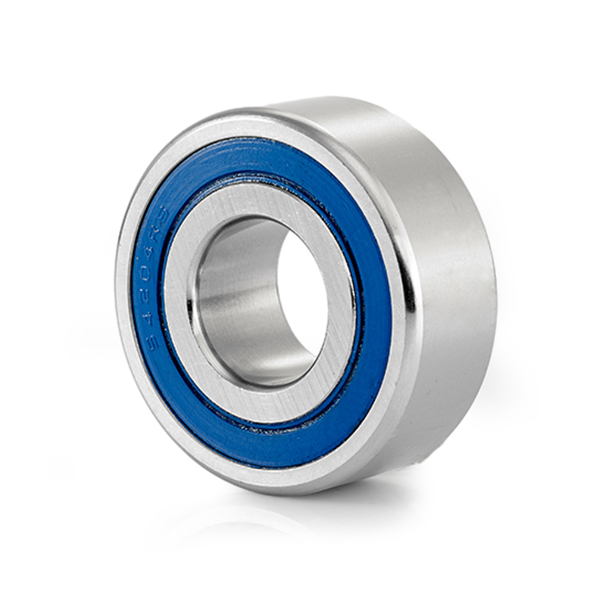
Sealed bearings dominate the current market largely because they eliminate a maintenance step most owners would never perform anyway. The trade-off is that once the seal itself starts letting coolant past, contamination degrades the bearing far faster than dry wear alone would.
| Material | Heat Tolerance | Typical Use |
| Chrome steel balls and races | Good under standard operating temperatures | Standard equipment on the vast majority of production water pumps |
| Ceramic hybrid (ceramic balls, steel races) | Excellent; resists thermal expansion mismatch | Performance and racing applications with sustained high RPM |
Ceramic hybrid bearings run cooler and lighter than all-steel bearings, which matters most in sustained high-RPM applications where heat buildup accelerates wear. For typical daily-driven vehicles, the standard steel bearing already outlasts most other components in the cooling system under normal conditions, so the upgrade rarely pays for itself outside performance builds.
Bearing and seal problems both eventually get blamed on "a bad water pump," but they present differently enough to diagnose correctly before ordering parts.
| Symptom | Bearing Failure | Seal Failure |
| Primary sign | Growling, whining, or grinding noise from the pump | Visible coolant leak from the weep hole or pump body |
| Shaft feel | Noticeable play or rough rotation when pulley is moved by hand | Shaft typically still spins smoothly |
| Progression | Noise worsens gradually, often tied to engine RPM | Leak often appears suddenly once the seal fully fails |
Because most modern water pumps ship as a single sealed unit, a failing bearing almost always means replacing the entire pump rather than pressing in a new bearing alone. Attempting to service just the bearing on a sealed design typically isn't practical without specialized tooling, and even then, the housing and impeller seal have usually aged alongside the bearing anyway. On older platforms still using serviceable bearing designs, a qualified shop can sometimes press in a replacement bearing independently — but confirming which design a specific pump uses before assuming a repair is possible saves an unnecessary teardown.

Copyright © Ningbo Demy (D&M) Bearings Co., Ltd. All Rights Reserved.
 OEM/ODM Industrial Bearing Manufacturers

 Search
 EN
EN English
 Español