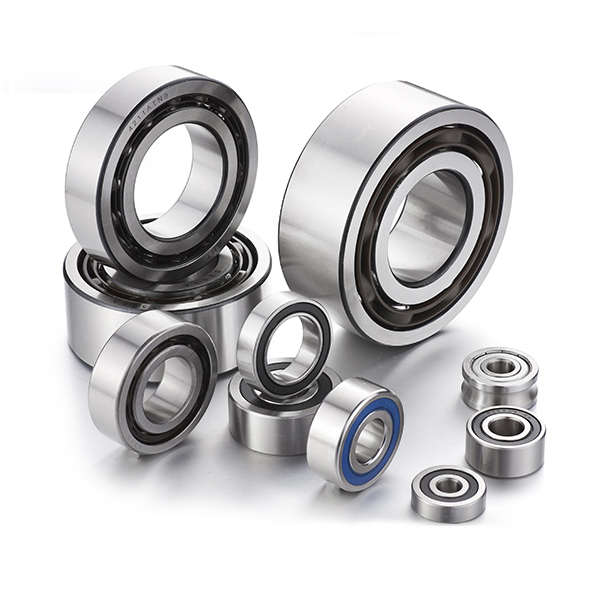
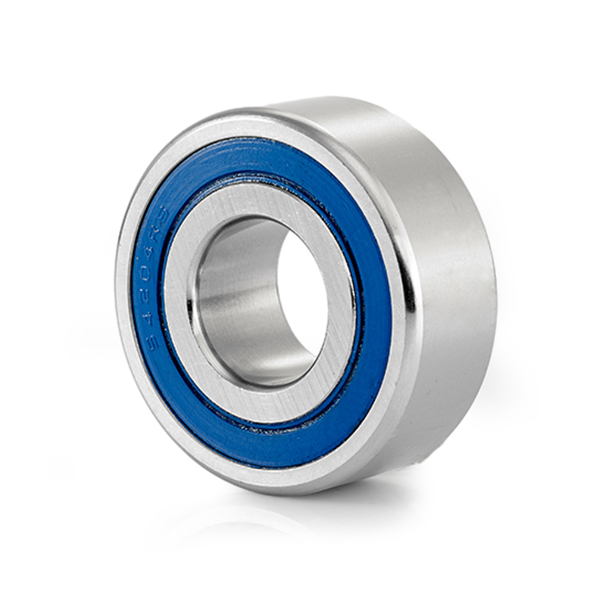
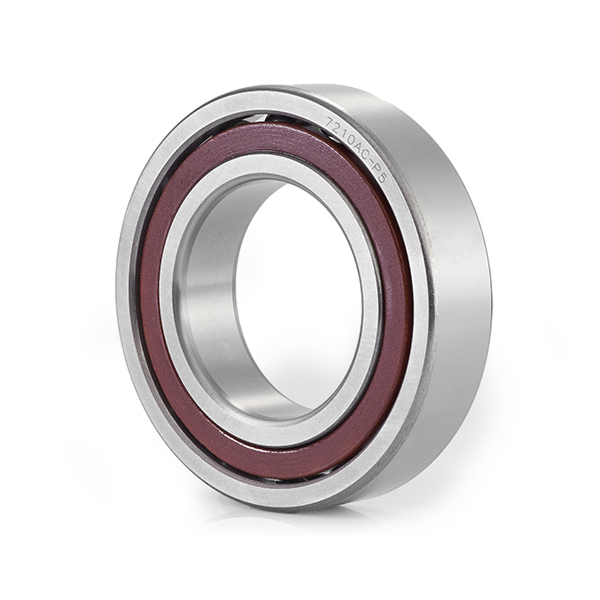
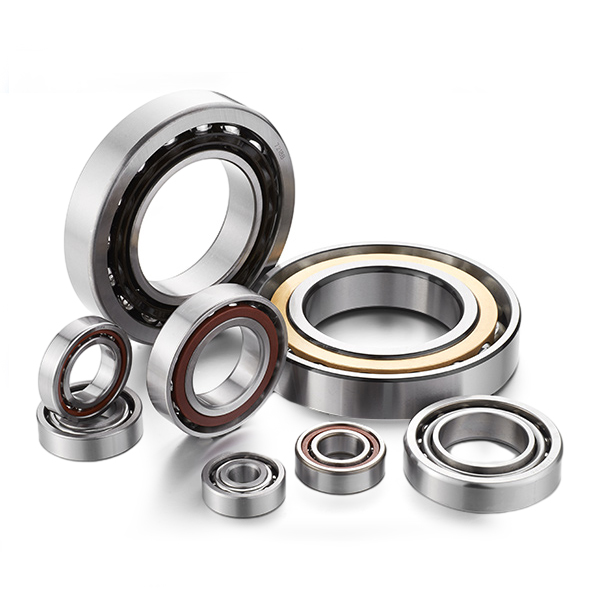
Securing qualified, technically proficient ball bearings suppliers provides heavy industrial plants, original equipment manufacturers (OEMs), and global maintenance networks with a robust procurement framework that directly protects machinery uptime and controls lifecycle costs. By prioritizing partners who provide verified ISO 9001 quality audits, raw steel traceability certs, and precise laboratory testing, procurement teams can protect themselves from sub-standard materials and unstable shipping timelines. This proactive sourcing method establishes a reliable engineering pipeline that reduces early bearing failures by up to 45% while driving down factory maintenance costs. This strategic approach ensures every motor, pump, and conveyor line runs on certified rolling components built to exact technical specifications.
In modern high-speed production systems, choosing a distribution partner goes far beyond looking at line-item prices. Rotating machine shafts handle massive amounts of kinetic energy and depend on uniform material structures to prevent localized stress fractures. Untested, non-authorized suppliers often sell components made from poorly degassed steels that contain hidden micro-voids, leading to rapid raceway spalling and costly emergency plant shutdowns. Partnering with elite component suppliers ensures factories can access deep technical support, custom grease configurations, and emergency stock reserves to protect production lines from unexpected disruptions.
The operational lifespan of a premium rolling-element component is determined long before it is mounted on a shaft, relying heavily on the supplier's raw material sourcing and factory inspection standards.
Top-tier bearing suppliers back their inventories with certified metallurgical data sheets confirming the use of high-purity carbon chromium steel (such as 100Cr6 or equivalent grades). The alloy must undergo rigorous vacuum degassing procedures to minimize non-metallic oxygen inclusions, which are a primary cause of subsurface fatigue cracks. When vetting a vendor, engineers should demand cross-sectional microstructure profiles showing uniform carbide distribution and a core hardness rating of 60 to 64 HRC on the Rockwell scale to ensure long-term wear resistance under heavy radial loads.
Industrial applications depend on precise dimensional control to prevent premature wear. Suppliers must clearly categorize their stocks by ISO tolerance classes (or corresponding ABEC classifications). While standard conveyors perform well with affordable ISO Normal (ABEC 1) components, high-speed machine tool spindles require precision-ground ISO P5 or P4 (ABEC 5 or 7) designs. These premium components keep radial runout deviations under a few microns, preventing destructive vibration harmonics at high operating speeds.
Optimizing an industrial components supply chain requires balancing per-unit costs against logistical lead times, minimum order thresholds, and direct engineering support access. The comparative table below details the structural tradeoffs encountered when partnering with different types of supply sources.
| Supply Chain Performance Variable | Direct Factory Bearings Suppliers | Authorized Regional Distributors |
|---|---|---|
| Volume Pricing and Unit Cost Efficiency | Maximum (Eliminates intermediate broker markups) | Moderate (Includes warehousing and local shipping fees) |
| Emergency Lead Time Responsiveness | Poor (Subject to overseas freight and customs delays) | Exceptional (Same-day courier delivery from regional hub stock) |
| Minimum Order Quantity (MOQ) Limits | High (Requires large bulk container volumes) | Zero Constraint (Allows purchasing individual replacement units) |
| Custom Engineering and Material Modding | Complete (Tailors cage geometry and internal clearance) | None (Sells standard off-the-shelf configurations only) |
| Counterfeit Mitigation Insurance | Absolute (Direct manufacturer custody trail) | High (Verifiable via official distributor certificates) |
The procurement data details a clear operational divide for supply chain managers. Direct factory sourcing provides unmatched cost-efficiency for large-scale OEMs building thousands of machines annually, where lead times can be scheduled months in advance. However, for a working factory where a broken pump line costs thousands of dollars per hour in lost output, regional distributors are indispensable. Their ability to hold safety stock near major industrial hubs allows local maintenance crews to swap out failing components immediately, minimizing expensive downtime.
Experienced industrial component vendors offer a wide range of custom internal clearances, cage modifications, and sealing upgrades to help components survive harsh operating environments.
To keep unverified or counterfeit parts out of critical engineering inventories, procurement teams use a structured vetting process when auditing new component vendors.
Even premium components sourced from certified suppliers can fail prematurely if they are stored incorrectly or exposed to continuous vibrations while sitting in inventory.
False brinelling occurs when stored components are exposed to continuous, external structural vibrations—such as those from nearby stamping presses or heavy rail lines. These vibrations cause the balls to micro-oscillate against the raceways, wearing away microscopic layers of metal and creating shallow depressions that lead to noisy operation and high heat once installed. Warehouse managers can prevent this storage damage by storing replacement parts flat on thick rubber anti-vibration mats and periodically rotating the inner rings to redistribute oil across the internal contact points.
Lubricant bleed happens when pre-greased components are stored vertically in warm warehouses for long periods. Over time, gravity separates the base oil from the thickener matrix, allowing the oil to pool at the bottom of the packaging and leaving behind a dry, hardened clay residue that fails to protect the metal upon startup. Maintenance teams can prevent this lubricant breakdown by insisting that suppliers ship components horizontally in climate-controlled crates and following a strict first-in, first-out (FIFO) inventory schedule to ensure no replacement unit sits unused past its rated shelf life.

Copyright © Ningbo Demy (D&M) Bearings Co., Ltd. All Rights Reserved.
 OEM/ODM Industrial Bearing Manufacturers

 Search
 EN
EN English
 Español