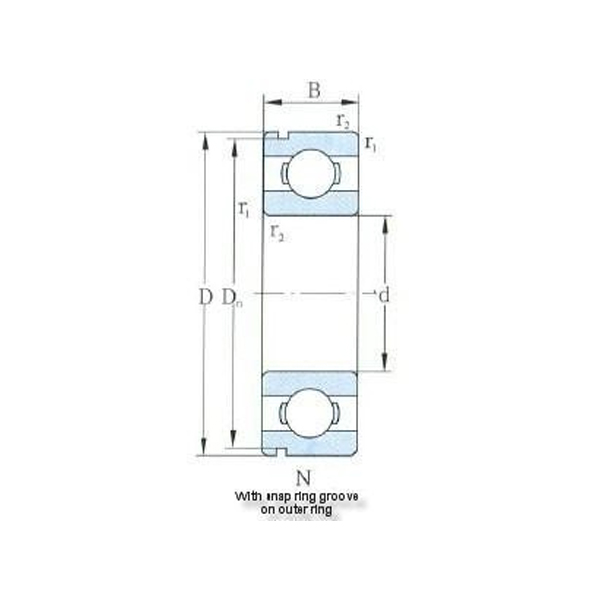
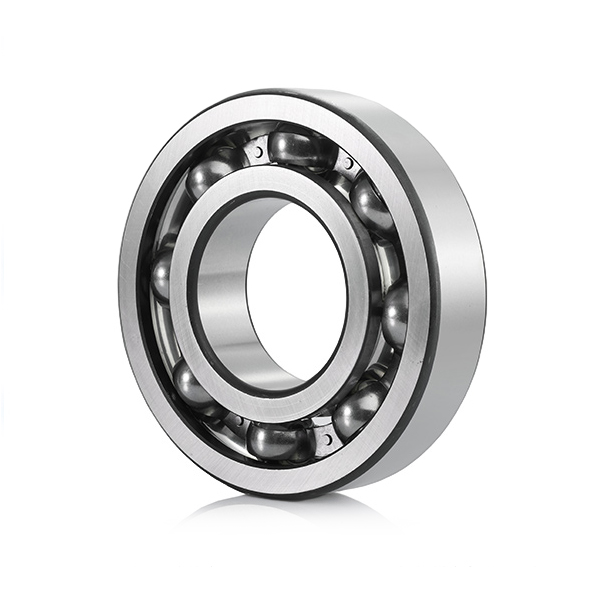
A bearing that starts growling after a season in the field, or a wheel that feels rough when you turn it by hand, is usually suffering from one of two things: the grease has oxidised, or grit has worked past the shield and is being rolled into the raceways. Cleaning solves the first problem and sometimes the second, but only on bearings that were built to be opened and re-lubricated. Flushing a sealed-for-life hub unit or a contact-sealed water pump bearing normally pushes solvent past the seal lip and shortens its life instead of extending it.
So the working answer is: identify the closure first, then choose the method. Open and metal-shielded bearings can be flushed with isopropyl alcohol or a purpose-made bearing solvent, dried completely, and re-greased to roughly 30 to 50 percent of the free internal space. Contact-sealed and sealed-for-life bearings get replaced, not cleaned. Everything below follows from those two rules.
The same question, how to clean bearings, gets very different answers depending on what covers the ball path. A skateboard bearing with a removable rubber shield and an 80 mm pillow block in a quarry both contain grease and steel, but the closure design sets the limit on what you can do without causing damage.
| Closure type | Cleaning suitable? | What usually happens |
|---|---|---|
| Open (no shield or seal) | Yes | Fastest to flush; needs re-greasing and protection from dust afterwards. |
| Metal shield (ZZ or 2Z) | Usually yes | Shields can be pried off and re-seated; solvent penetrates slowly if the shield stays on, so soak longer. |
| Contact rubber seal (2RS) | Rarely | The seal lip and its garter spring deform easily; a flushed bearing often leaks grease afterwards. |
| Sealed-for-life unit (hub, water pump) | No | Flushing destroys the factory grease path; replace the assembly as a unit. |
Two practical notes on the table. First, shields that have been pried off rarely sit as tightly as they did at the factory, so if the machine runs in dust, plan to replace the shield or the bearing. Second, a bearing that has already run dry long enough to discolour the raceways is a replacement item; cleaning will hide the symptom for a week, not repair the damage.
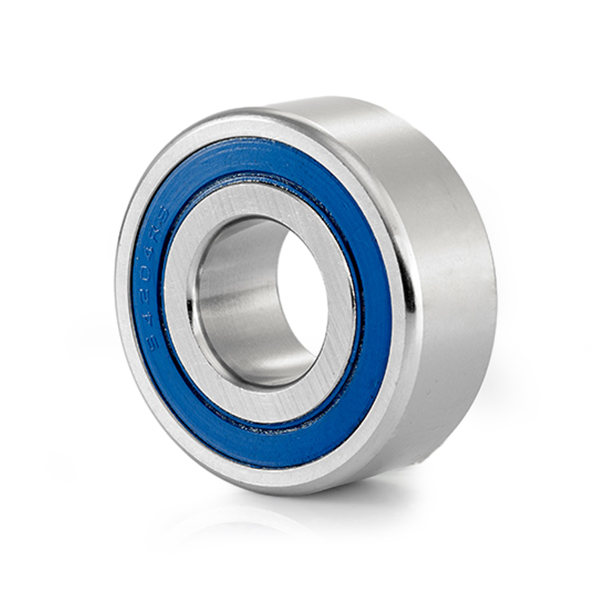
Where wash-down water or fine dust keeps killing bearings, the durable fix is a better closure rather than a stricter cleaning routine. Double-sealed deep groove bearings hold their factory grease far longer in wet or dirty surroundings:
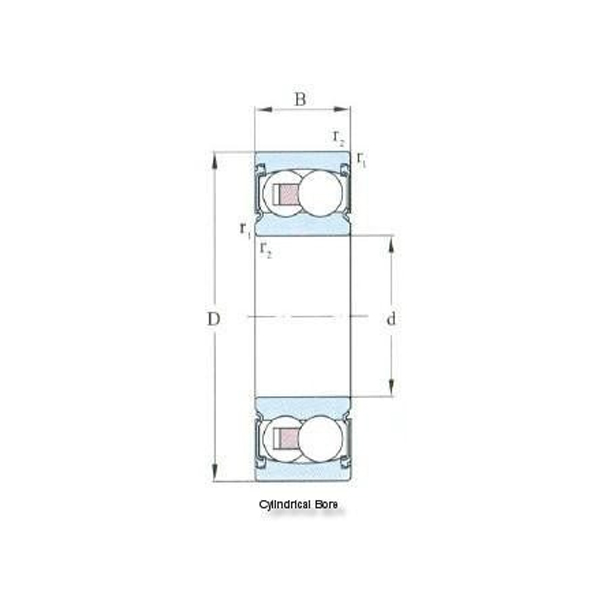 Double-Sealed Deep Groove Ball Bearings for Wet and Dusty EnvironmentsFor wash-down or fine-dust settings, these double-sealed bearings help retain factory grease and block contaminants, reducing reliance on frequent cleaning.View Product →
Never dry a bearing by spinning it with compressed air. An unshielded bearing can reach destructive speed in seconds, and the ball path is running metal to metal with no lubricant at that moment. Blow air across the bearing rather than into it, or use warm air at 60 to 70 degrees Celsius until no solvent smell remains. Residual solvent thins the new grease and pushes it out of the bearing during the first hours of running.
Grease quantity matters as much as grease type. Overfilling is a real failure mode: churning heats the grease, the base oil separates, and the bearing runs hot until it seizes. Typical starting points look like this:
Typical grease fill after cleaning, as a share of free internal space
Use the bearing or equipment maker's figure wherever one exists; the chart is a starting point, not a specification. Keep thickeners compatible as well. Lithium, polyurea and calcium sulfonate greases do not mix well, and a mixture can soften and run straight out of the housing. If you do not know what was in the bearing before, clean it out completely instead of topping up.
On high-speed shafts, where the fill has to stay low and any excess churning shows up immediately as temperature, a low friction torque design leaves more operating margin than a general-purpose bearing:
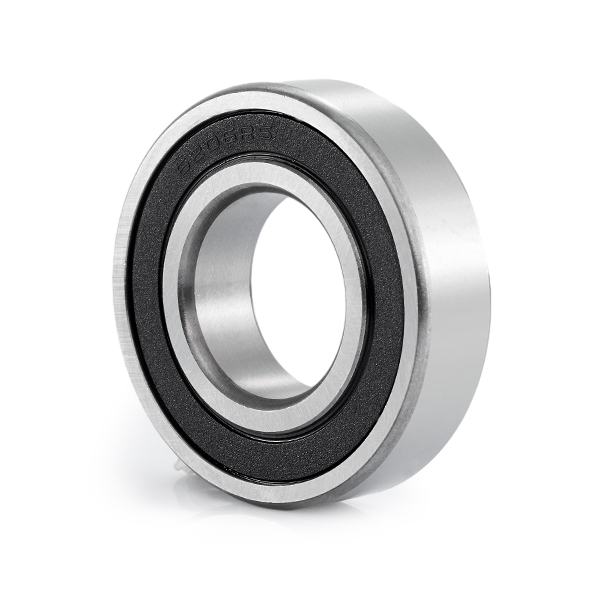 High-Speed Low-Friction-Torque Deep Groove Ball BearingsFor high-speed shafts where low fill and churning matter, these deep groove bearings offer low torque with multiple precision and seal options.View Product →
Contamination control is the part that lasts beyond the cleaning job itself. If a machine keeps ingesting grit or process fluid, the closure, the housing seal and the relubrication interval all deserve a review, in the same way that keeping contamination out of cylindrical roller bearings in harsh environments depends more on sealing practice than on wash-down frequency.
Run the arithmetic before you start. If a bearing costs less than the labour to remove, clean and refit it, which is true for most small deep groove ball bearings, replacement wins on both time and risk. Cleaning makes sense on large, expensive or long-lead items: split spherical roller bearings, large cylindrical roller bearings, and anything where a new part means weeks of downtime.
Replace rather than clean when you find any of the following:
For automotive and light industrial applications, those sealed assemblies are usually the practical answer to a recurring roughness complaint, because there is nothing inside them for a cleaning routine to reach:
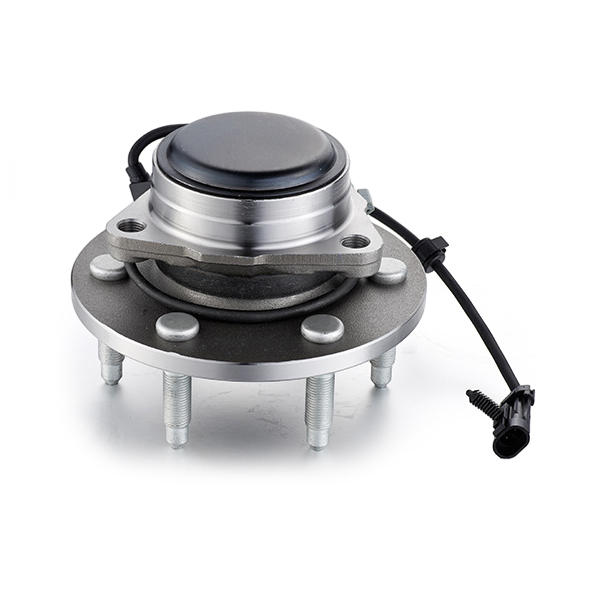 OEM/ODM Hub Units for Automotive and Light Industrial ApplicationsSealed hub assemblies suit automotive and light industrial uses where recurring roughness points to replacing the complete unit rather than cleaning internal bearing surfaces.View Product →
Cleaning a bearing is a controlled operation: know the closure, flush in two stages, dry completely, then re-grease with a compatible product to the right fill level. Do that and a shielded industrial bearing can go back into service with most of its life intact. Skip one step, particularly the rinse, the drying or the grease quantity, and the bearing will fail early, usually at the least convenient moment for the machine it sits in.

Copyright © Ningbo Demy (D&M) Bearings Co., Ltd. All Rights Reserved.
 OEM/ODM Industrial Bearing Manufacturers

 Search
 EN
 English
 Español