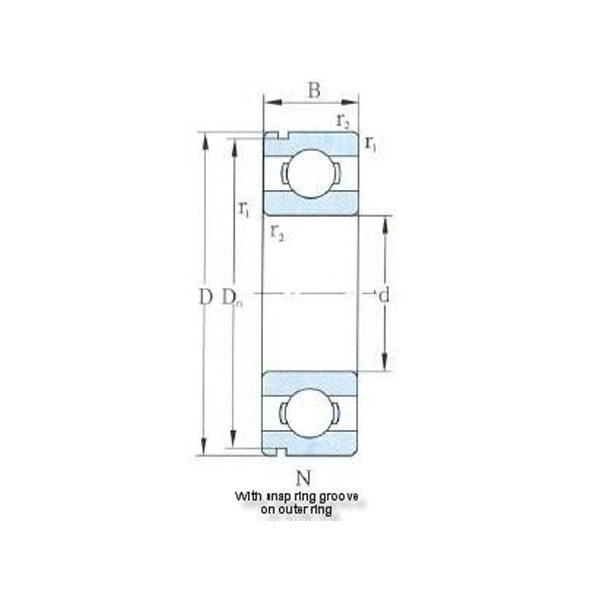
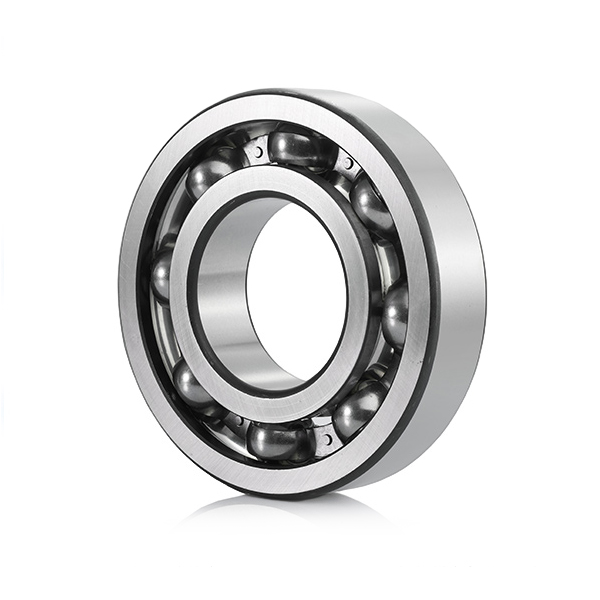
Deep groove ball bearings are widely used components in mechanical systems due to their simple structure, adaptability, and ability to support radial and certain axial loads. They are commonly found in electric motors, pumps, fans, conveyors, household appliances, and industrial machinery. A frequent question associated with their use is whether they require regular maintenance or lubrication during operation. The answer depends on bearing design, operating conditions, lubrication method, and environmental factors.
The structure of a deep groove ball bearing consists of inner and outer rings, rolling balls, a cage, and in many cases seals or shields. Lubrication plays a central role in reducing friction between the balls and raceways, minimizing wear, dissipating heat, and protecting internal surfaces from corrosion. Without adequate lubrication, direct metal-to-metal contact can occur, leading to increased noise, higher operating temperatures, and shortened service life.
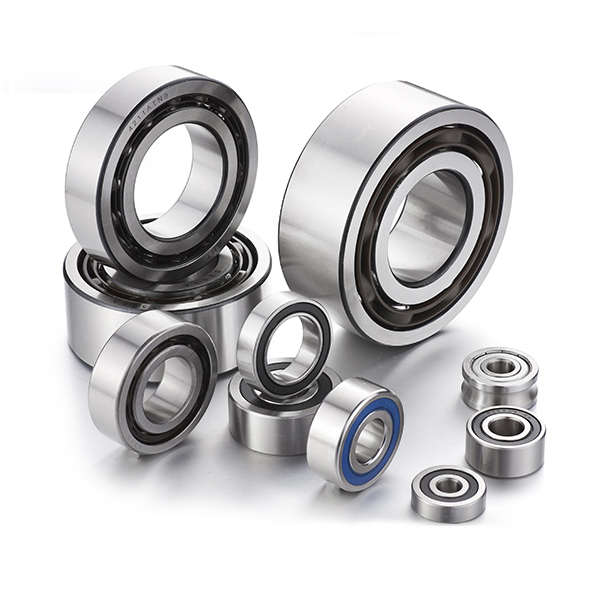
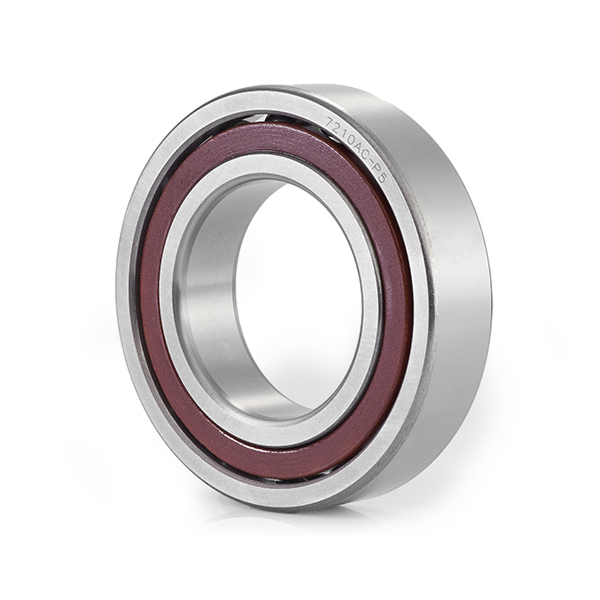
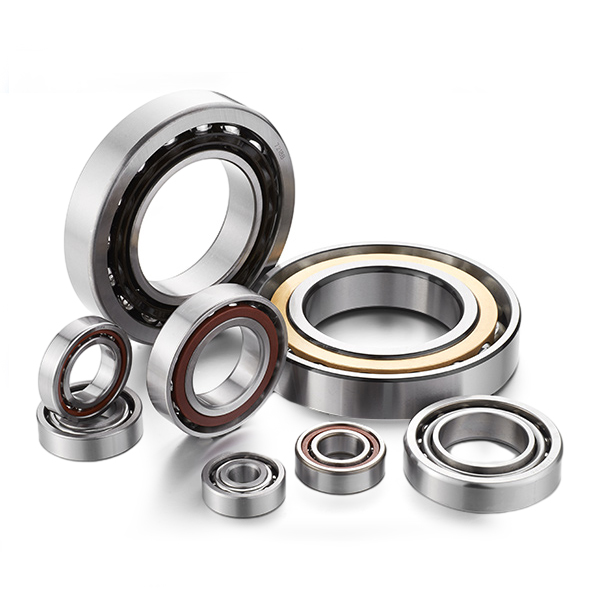
Deep groove ball bearings can be broadly divided into open bearings, shielded bearings, and sealed bearings. Open bearings have no built-in protection and rely on external lubrication. Shielded bearings include metal shields that reduce contamination but still allow limited lubricant exchange. Sealed bearings use rubber or polymer seals that retain lubricant and block contaminants. These design differences directly influence maintenance and lubrication requirements.
Open deep groove ball bearings generally require regular lubrication because they are exposed to the surrounding environment. Grease or oil must be supplied periodically to maintain an effective lubricating film. The lubrication interval depends on operating speed, load, temperature, and environmental cleanliness. In dusty or humid conditions, more frequent lubrication may be necessary to compensate for contamination and lubricant degradation.
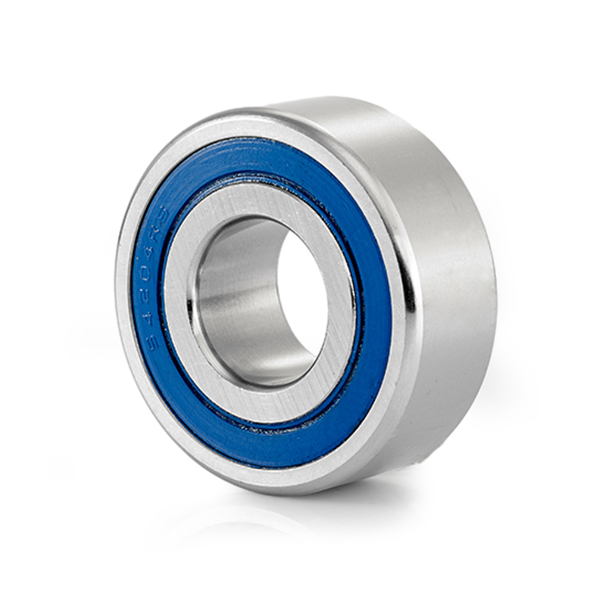
Sealed deep groove ball bearings are often described as maintenance-free for their intended service life. They are factory-filled with grease and sealed to prevent leakage and contamination. In many applications, no additional lubrication is required after installation. However, the term maintenance-free does not imply unlimited life, as the lubricant will eventually degrade due to thermal and mechanical stresses. Once the grease life is exhausted, the bearing is typically replaced rather than relubricated.
Shielded bearings occupy a middle ground between open and sealed designs. Metal shields protect against large particles while allowing limited airflow and heat dissipation. These bearings may require less frequent lubrication than open bearings but more attention than sealed types. In some systems, shielded bearings are relubricated during scheduled maintenance intervals to extend operational life.
Grease and oil are the two primary lubrication methods used for deep groove ball bearings. Grease lubrication is common due to its ease of use and ability to stay in place. Oil lubrication is preferred in high-speed or high-temperature applications where heat dissipation is critical. Oil-lubricated bearings usually require continuous monitoring and replenishment, while grease-lubricated bearings require periodic relubrication based on operating conditions.
| Lubrication Method | Maintenance Frequency | Typical Applications | Key Considerations |
| Grease Lubrication | Low to moderate | Electric motors, fans, appliances | Grease life, contamination control |
| Oil Lubrication | Regular monitoring required | High-speed machinery, gearboxes | Oil quality, leakage prevention |
| Factory-Sealed Grease | Minimal during service life | Compact or inaccessible systems | Limited relubrication options |
The need for regular maintenance is strongly influenced by operating conditions. High speeds increase lubricant shear and heat generation, which accelerates grease aging. Heavy loads raise contact stress, increasing the demand on the lubricant film. Elevated temperatures shorten lubricant life by accelerating oxidation. In such conditions, even sealed or shielded bearings may require closer monitoring or more frequent replacement.
Environmental exposure plays a significant role in determining maintenance needs. Dust, moisture, chemicals, and vibration can all degrade lubrication effectiveness. Open bearings in harsh environments require frequent cleaning and relubrication to remove contaminants. Sealed bearings offer better protection but may still experience seal wear over time, allowing contaminants to enter and affect lubrication performance.
When relubrication is required, correct practices are essential. Over-lubrication can cause excess heat, increased drag, and grease leakage, while under-lubrication leads to wear and noise. Relubrication should be performed using compatible lubricants and appropriate quantities. Automated lubrication systems are sometimes used in industrial settings to deliver controlled amounts of lubricant at regular intervals.
Changes in bearing noise, increased vibration, rising operating temperature, and reduced rotational smoothness are common indicators that lubrication may be insufficient or degraded. Monitoring these signs allows maintenance personnel to intervene before serious damage occurs. Condition monitoring techniques such as vibration analysis and temperature measurement are widely used to assess bearing health.
While sealed deep groove ball bearings are often marketed as maintenance-free, this concept applies only within defined operating limits and service life expectations. Once the internal lubricant degrades, performance will decline. In applications where bearing replacement is difficult or costly, designers may choose bearings with extended grease life or alternative lubrication strategies to reduce maintenance demands.
Proper lubrication and maintenance significantly extend the usable life of deep groove ball bearings. Adequate lubrication reduces friction and wear, maintains stable operating temperatures, and protects against corrosion. Conversely, neglected maintenance often results in premature failure, unplanned downtime, and increased operating costs. A well-planned maintenance strategy balances reliability and resource use.
When selecting deep groove ball bearings, maintenance requirements should be considered alongside load capacity, speed, and size. For applications with limited access or minimal maintenance capability, sealed bearings are often preferred. For systems with scheduled maintenance and higher performance demands, open or shielded bearings with regular lubrication may provide greater flexibility and service life.
In consumer products such as household appliances, deep groove ball bearings are typically sealed and designed to operate for the product’s expected lifetime without user maintenance. In industrial machinery, bearings are often part of a broader maintenance program, with regular inspection and relubrication. These differences reflect varying priorities in cost, accessibility, and operational demands.
Deep groove ball bearings may or may not require regular maintenance or lubrication depending on their design and application. Open bearings generally need periodic lubrication, shielded bearings require moderate attention, and sealed bearings often operate without additional lubrication for their service life. Understanding operating conditions, environmental factors, and lubrication methods allows users to apply appropriate maintenance practices and achieve reliable bearing performance.

Copyright © Ningbo Demy (D&M) Bearings Co., Ltd. All Rights Reserved.
 OEM/ODM Industrial Bearing Manufacturers

 Search
 EN
EN English
 Español