Angular contact ball bearings are commonly used in applications where both radial and axial loads are present at the same time. Their internal geometry allows them to support axial loads in one direction, which makes them suitable for machine tools, motors, pumps, and various precision systems. When users ask whether these bearings come with sealed or dustproof structures, the question usually reflects concerns about contamination, lubrication retention, maintenance frequency, and service life in real operating environments.
In practical use, bearings are often exposed to dust, moisture, metal particles, or other contaminants. These external factors can enter the bearing interior and affect rolling elements and raceways. For angular contact ball bearings, which are frequently used in high-speed or high-precision equipment, contamination control is especially important. Sealed or dustproof structures help limit the entry of foreign matter while also reducing lubricant leakage, contributing to more stable operation over time.
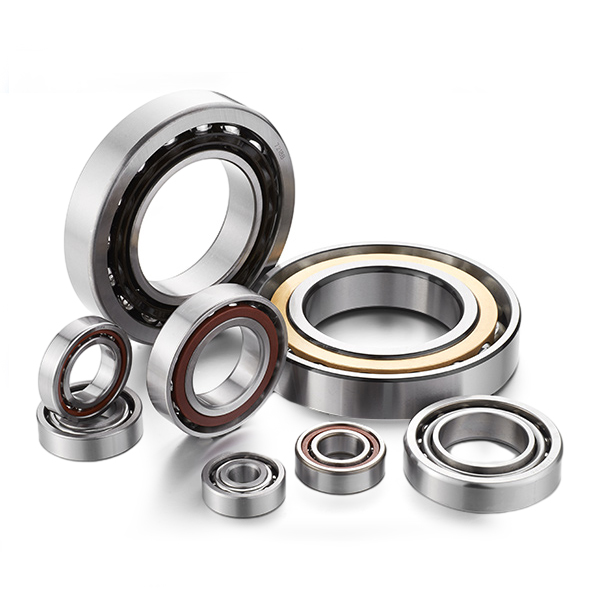
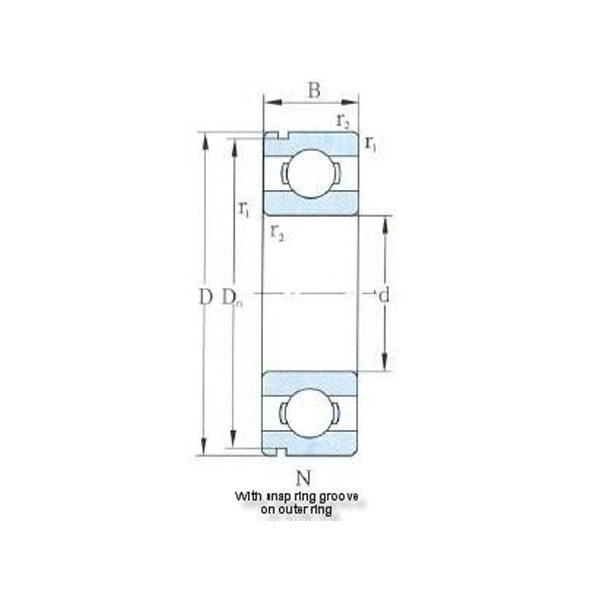
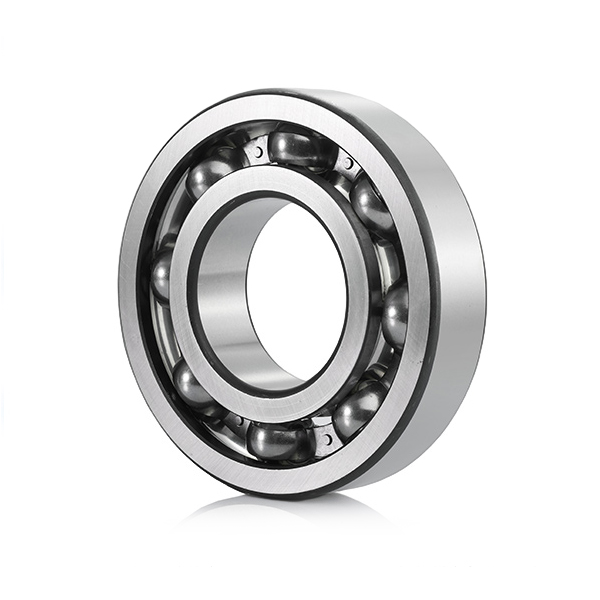
Not all angular contact ball bearings are supplied with seals or shields. Open-type bearings have no integrated sealing structure and leave the rolling elements exposed. These bearings are often selected for applications where lubrication is supplied externally through oil circulation systems or where operating temperatures are relatively high. In such environments, seals may not be suitable due to heat or chemical exposure, and cleanliness is controlled by the surrounding system design rather than by the bearing itself.
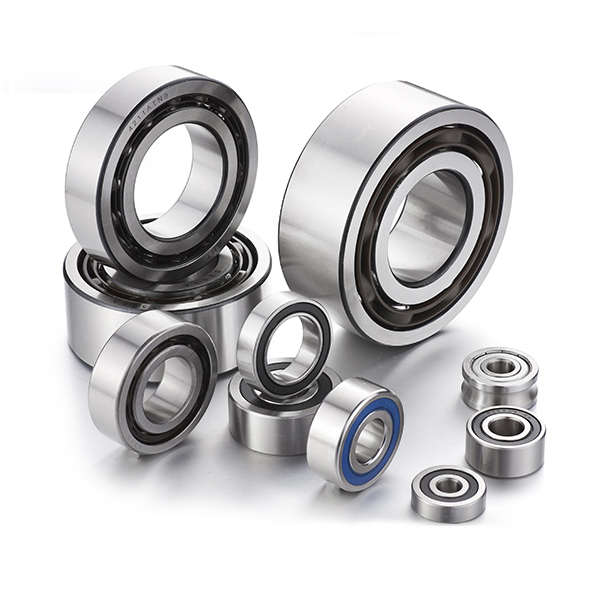
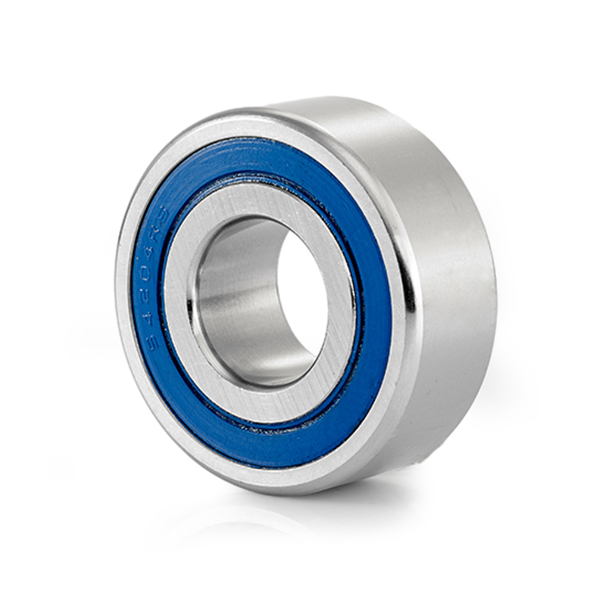
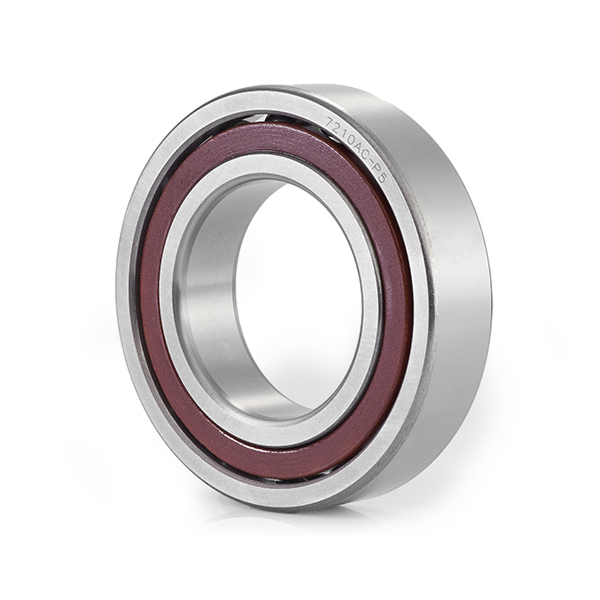
Sealed angular contact ball bearings are designed with sealing elements integrated on one or both sides of the bearing. These seals are typically made from rubber or synthetic materials and are in contact or near-contact with the inner ring. Their primary function is to retain grease inside the bearing while preventing contaminants from entering. Sealed designs are often used in applications where relubrication is difficult or where maintenance intervals need to be extended.
In addition to fully sealed designs, angular contact ball bearings can also be equipped with dustproof shields. Shields are usually made of metal and are non-contact components that sit close to the inner ring. They offer protection against larger particles and debris but do not provide the same level of sealing as rubber contact seals. The choice between shields and seals depends on the balance between contamination protection and friction requirements, especially in higher-speed applications.
| Structure Type | Main Material | Typical Protection Level |
| Open type | No seal or shield | Depends on external environment |
| Metal shielded | Steel or similar alloy | Basic dust protection |
| Rubber sealed | Rubber or synthetic polymer | Dust and moisture resistance |
Angular contact ball bearings may be sealed on one side or both sides, depending on application requirements. Single-side sealed bearings are sometimes used when one side of the bearing is exposed to contaminants while the other side is protected by housing design. Double-side sealed bearings provide more comprehensive protection but may slightly increase friction. Users often consider load direction, mounting position, and environmental exposure when selecting between these configurations.
One concern frequently associated with sealed angular contact ball bearings is their impact on rotational speed. Contact seals generate additional friction compared to open or shielded bearings. While this friction is usually manageable in many industrial applications, it can limit the maximum speed in high-speed spindles or precision machinery. For such cases, shielded or open bearings with controlled lubrication may be preferred to balance speed and cleanliness.
Sealed angular contact ball bearings are often pre-greased at the factory and designed to operate for extended periods without relubrication. This can simplify maintenance planning and reduce the need for frequent service. Dustproof shields, on the other hand, allow some grease exchange and may still require periodic lubrication. Open bearings require the most attention, as they rely entirely on external lubrication systems and clean operating conditions.
The operating environment plays a major role in determining whether sealed or dustproof angular contact ball bearings are appropriate. In clean, temperature-controlled environments such as precision machine tools, open or shielded bearings may be sufficient. In contrast, equipment used in woodworking, food processing, or outdoor machinery often benefits from sealed designs that reduce exposure to dust, moisture, and cleaning agents.
Sealing materials have temperature limits that must be considered during bearing selection. Rubber seals may harden or degrade at elevated temperatures, affecting their sealing function. For high-temperature applications, open bearings or bearings with specialized sealing materials may be more suitable. Understanding the operating temperature range helps ensure that the sealing structure remains reliable throughout the bearing’s service life.
Another factor related to sealed angular contact ball bearings is lubricant compatibility. The grease used inside the bearing must be compatible with the seal material to avoid swelling or degradation. Manufacturers typically select grease and seal combinations that work together, but users should be cautious when operating in environments where additional chemicals or cleaning agents are present.
| Application Scenario | Recommended Structure | Main Consideration |
| High-speed spindle | Open or shielded | Speed and heat dissipation |
| Dusty industrial environment | Sealed | Contamination control |
| Limited maintenance access | Double sealed | Grease retention |
Sealed and dustproof structures also influence installation practices. Sealed bearings reduce the risk of contamination during handling and mounting, which can be helpful in less controlled environments. Open bearings require greater care during installation to avoid introducing debris. Proper storage and handling are important regardless of sealing type, but sealed designs offer a degree of added protection before installation.
Many manufacturers offer angular contact ball bearings with customized sealing solutions to meet specific OEM requirements. This may include low-friction seals, special dust shields, or hybrid designs that balance protection and speed. Such customization allows bearings to be adapted to unique operating conditions without changing the fundamental bearing geometry.
Over long periods of operation, the presence or absence of seals influences wear patterns, lubricant condition, and overall bearing behavior. Sealed bearings tend to maintain more consistent internal conditions, while open bearings depend heavily on external lubrication quality. Dustproof shields provide an intermediate solution that can work well when contamination risks are moderate and speed requirements are higher.
Choosing between sealed, dustproof, or open angular contact ball bearings often involves trade-offs between cleanliness, speed, maintenance, and environmental exposure. Understanding whether a bearing comes with a sealed or dustproof structure helps users align bearing selection with real operating priorities rather than relying solely on load ratings or dimensions.
In many industrial sectors, sealed angular contact ball bearings are increasingly used in compact equipment and systems designed for reduced maintenance. At the same time, open and shielded bearings remain common in machine tools and precision assemblies where lubrication systems and controlled environments are already in place. This variety reflects the flexible nature of angular contact ball bearing design and its ability to adapt to different sealing requirements.
Manufacturers usually indicate sealing or dustproof features through bearing suffixes and technical documentation. Understanding these markings helps users identify whether a bearing is open, shielded, or sealed before installation. Careful review of specifications ensures that the selected bearing matches the expected operating environment and maintenance strategy.

Copyright © Ningbo Demy (D&M) Bearings Co., Ltd. All Rights Reserved.
 OEM/ODM Industrial Bearing Manufacturers

 Search
 EN
EN English
 Español