If you’ve ever wondered what keeps machines spinning smoothly—whether it’s a motor, a conveyor, or even a simple fan—deep groove ball bearings are often the answer.
They might not look like much, but they’re one of the most widely used bearing types in the world. And for manufacturers, that means stable demand, broad applications, and plenty of opportunities to stand out.
So let’s talk about what deep groove ball bearings really are, why they matter, and what you need to know if you’re building or sourcing them.
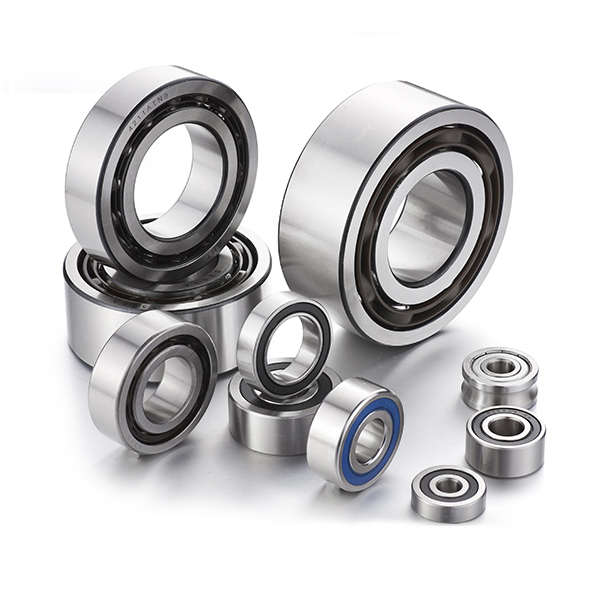
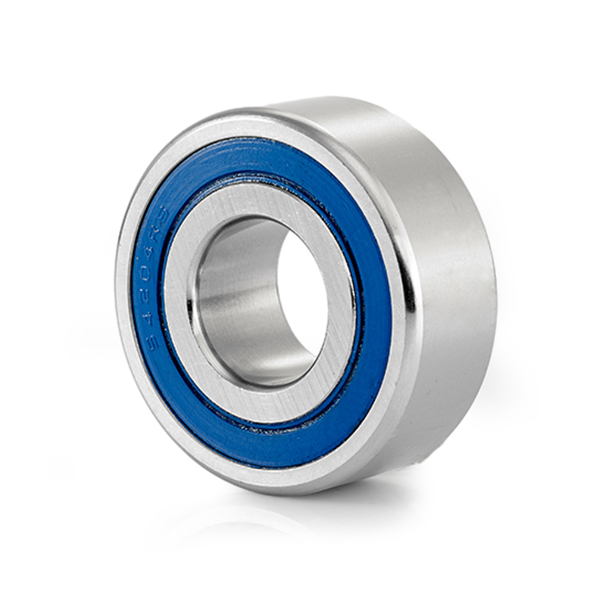
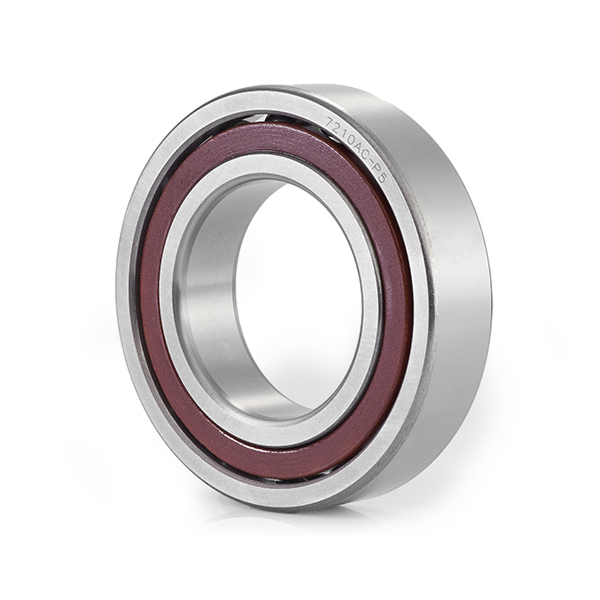
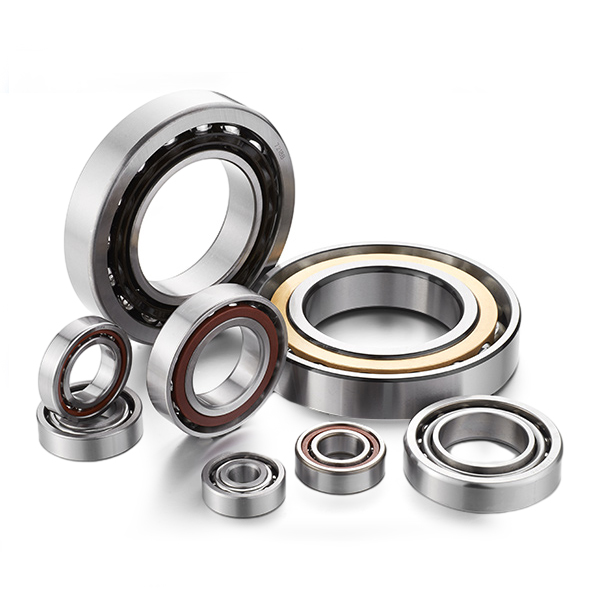
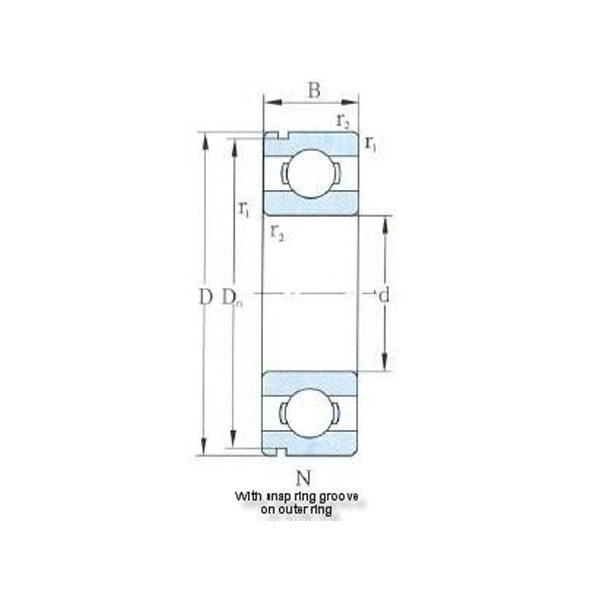
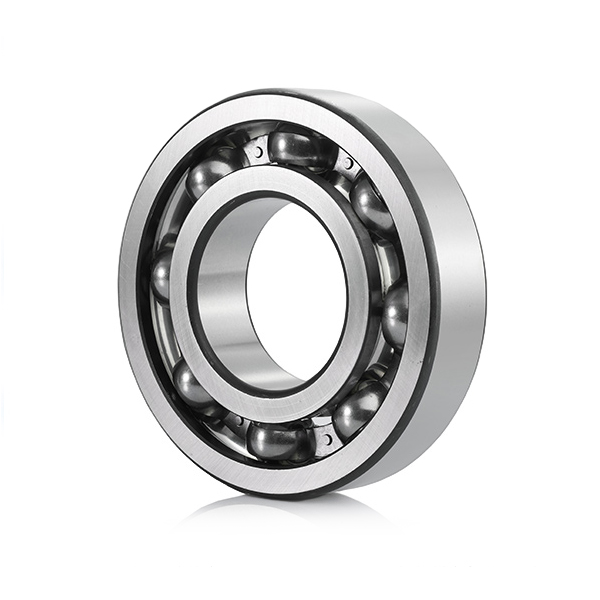
At its simplest, a deep groove ball bearing is a type of rolling bearing that uses balls to support rotating shafts. It has deep grooves on both inner and outer rings, which makes it ideal for handling radial loads (and some axial loads too).
They come in many sizes and designs, from tiny bearings in household appliances to large ones in industrial machinery.
Because it’s the part that keeps things moving without friction—literally.
Deep groove ball bearings are important because they:
In short, if a machine runs smoothly, there’s a good chance a deep groove ball bearing is doing its job quietly in the background.
They’re used in almost every industry you can think of.
Common applications include:
If there’s a rotating shaft, deep groove ball bearings are likely involved.
They work on a simple idea: balls roll between two rings, reducing friction and supporting the load.
The inner ring fits onto the shaft and rotates with it.
The outer ring stays stationary inside the housing.
The balls roll in the deep grooves, allowing smooth rotation.
The cage keeps the balls evenly spaced and prevents them from colliding.
Because the grooves are deep, these bearings can handle high speeds and radial loads very efficiently.
Like everything in manufacturing, deep groove ball bearings have pros and cons.
In other words, they’re great for general-purpose use, but if you’re dealing with heavy loads or extreme conditions, you may need a different bearing type.
If you’re producing deep groove ball bearings, these are the real-world factors that matter most:
The steel quality directly affects bearing life. Low-quality steel can lead to early failure or wear.
Deep groove bearings need tight tolerances to run smoothly. If the dimensions are off, you’ll see noise, vibration, and shorter lifespan.
Proper lubrication reduces friction and prevents overheating. The wrong grease or oil can cause performance issues.
Seals help keep dust and debris out. If your bearing is exposed to harsh environments, a sealed version may be necessary.
Every bearing should be tested for noise, vibration, and dimensional accuracy. It’s the difference between a good bearing and a great one.
As industries become more automated and machinery becomes more advanced, demand for reliable bearings keeps rising.
Deep groove ball bearings are a staple because they’re versatile, efficient, and affordable. Even as new technologies emerge, these bearings remain a core component in most mechanical systems.
For manufacturers, that means the opportunity is still huge—if you can offer consistent quality, fast delivery, and good support.
Deep groove ball bearings may not be flashy, but they’re one of the most important parts of modern machinery.
They keep machines running smoothly, reduce energy loss, and improve durability. If you’re in the manufacturing business, understanding them isn’t just helpful—it’s essential.
And if you’re making them, focusing on quality, precision, and consistency is the key to winning in a competitive market.

Copyright © Ningbo Demy (D&M) Bearings Co., Ltd. All Rights Reserved.
 OEM/ODM Industrial Bearing Manufacturers

 Search
 EN
EN English
 Español