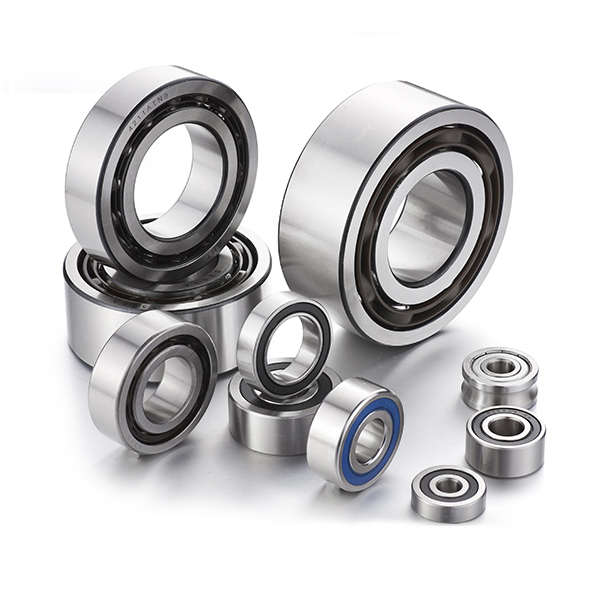
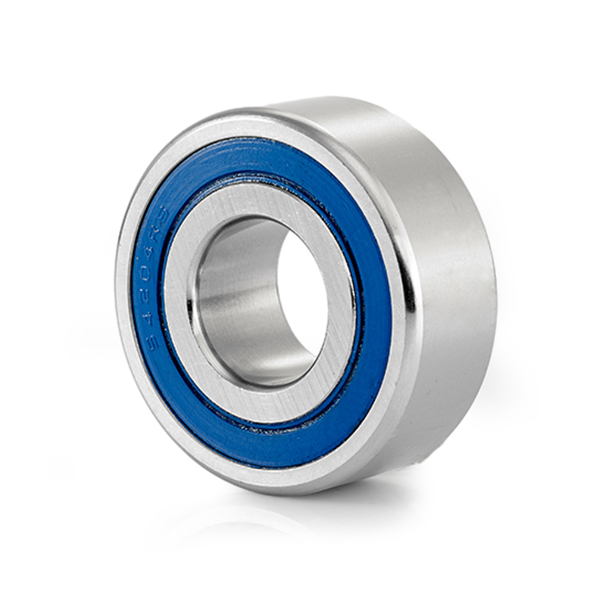
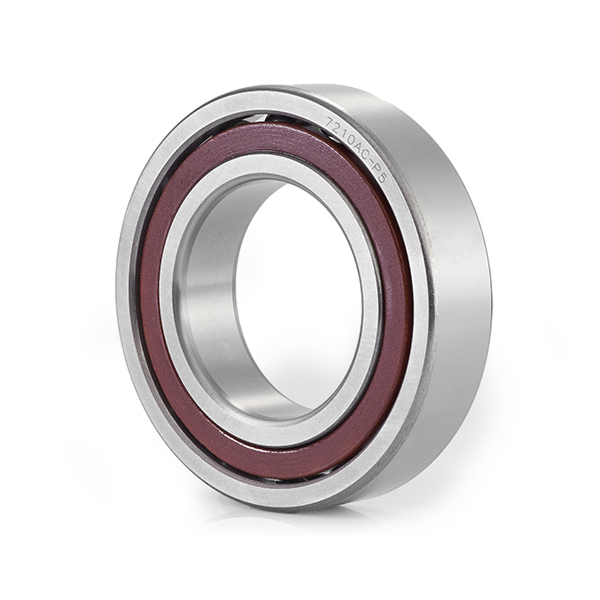
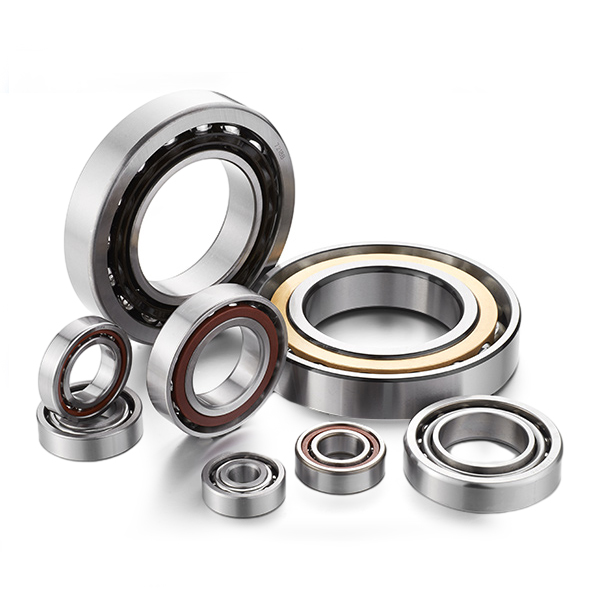
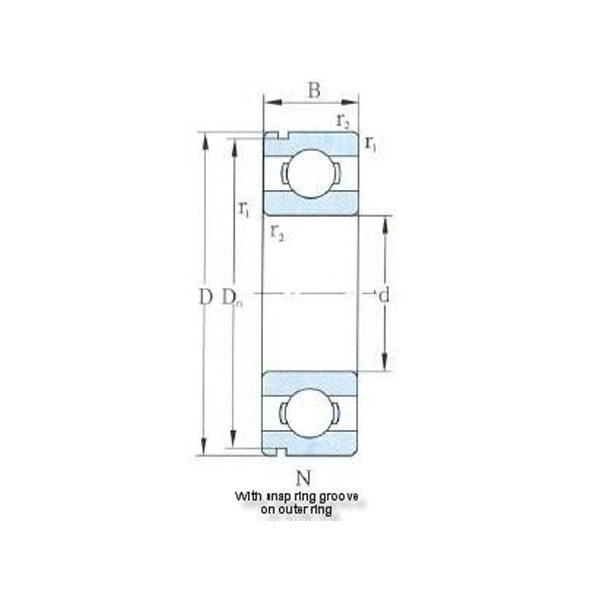
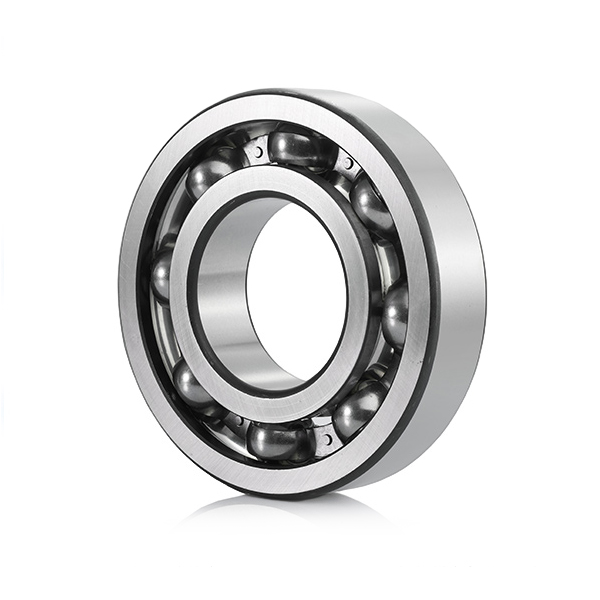
Needle roller bearings are a type of rolling-element bearing that features long, slender rollers (needles) designed to support radial loads in a compact space. Due to their small size and large load capacity relative to their dimensions, needle roller bearings are widely used in various mechanical applications, such as automotive, aerospace, industrial machinery, and more. These bearings provide a high degree of efficiency and reliability, especially in applications where space is limited. However, one common concern among engineers and users is whether needle roller bearings are prone to issues such as poor lubrication or overheating during use.
Lubrication is a critical factor in ensuring the proper operation of needle roller bearings. Bearings rely on lubrication to reduce friction between the moving parts, which helps to prevent wear and tear, heat generation, and overall degradation of the bearing components. The lubrication not only forms a protective barrier between the rollers and raceways but also dissipates heat, especially in high-speed or heavy-load applications.
Needle roller bearings operate under high pressures due to the small contact area between the rollers and raceways. As a result, they are particularly sensitive to changes in lubrication quality and quantity. Insufficient or poor-quality lubrication can lead to increased friction, metal-to-metal contact, and overheating, which accelerates the wear process and reduces the bearing's lifespan. For optimal performance, needle roller bearings require a specific type of lubrication, typically oil or grease, depending on the application and operating conditions.
There are several factors that can contribute to poor lubrication in needle roller bearings. Understanding these factors is essential in preventing lubrication-related issues and ensuring the long-term reliability of the bearings. Some of the most common causes of poor lubrication include:
Overheating is another common issue that can affect the performance and longevity of needle roller bearings. As friction generates heat, prolonged exposure to elevated temperatures can lead to the degradation of both the lubricant and the bearing material itself. Overheating can cause a variety of problems, including:
To prevent poor lubrication and overheating in needle roller bearings, it is important to implement several best practices that address the root causes of these issues. Some of the most effective measures include:
| Lubricant Type | Advantages | Disadvantages |
| Oil | Effective at high speeds, provides excellent heat dissipation, can penetrate bearing components | Requires regular maintenance, prone to contamination, can be messy |
| Grease | Long-lasting, easy to apply, ideal for low-speed applications | Less effective at high speeds, can cause increased friction if over-applied |
| Synthetic Lubricants | High performance, stable at extreme temperatures, reduces wear | More expensive, may require special handling or storage |

Copyright © Ningbo Demy (D&M) Bearings Co., Ltd. All Rights Reserved.
 OEM/ODM Industrial Bearing Manufacturers

 Search
 EN
EN English
 Español