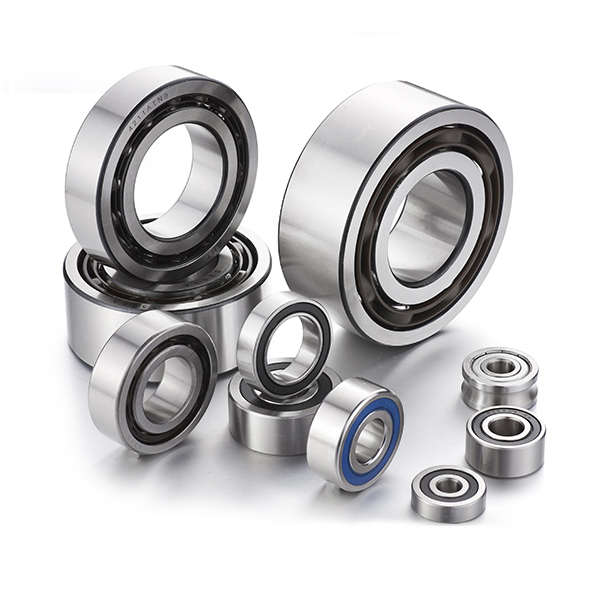
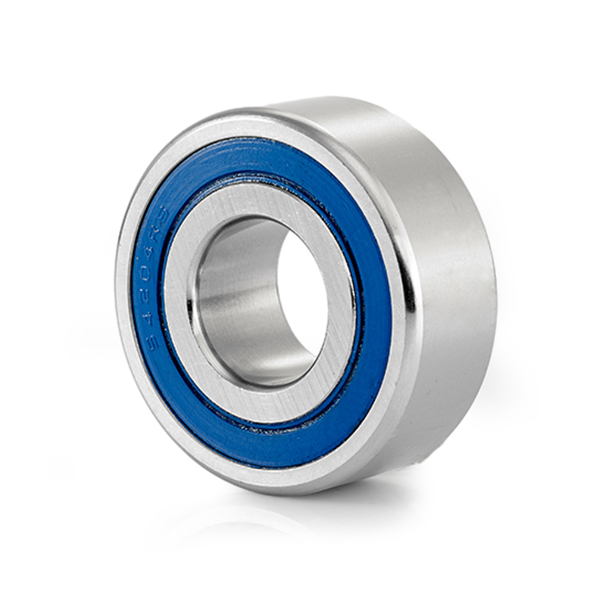
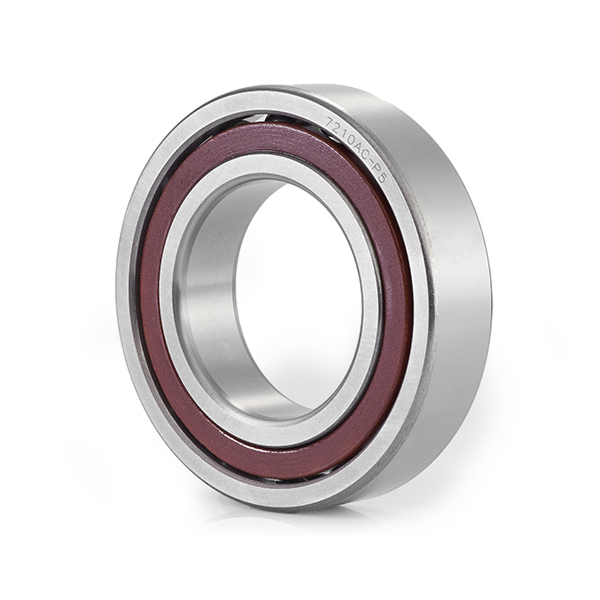
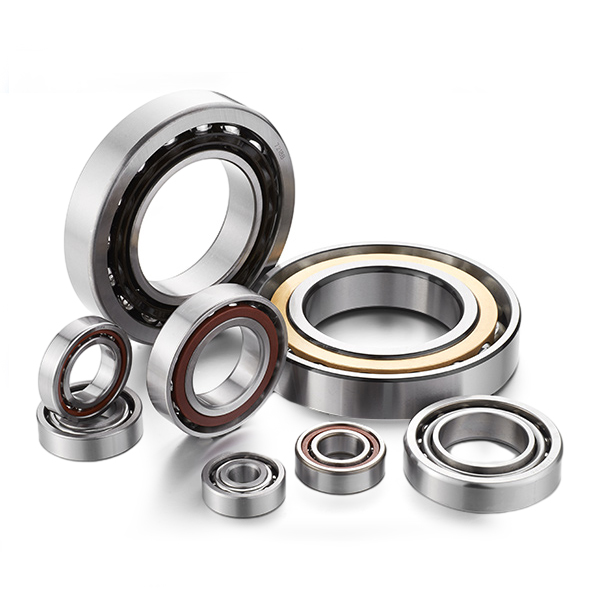
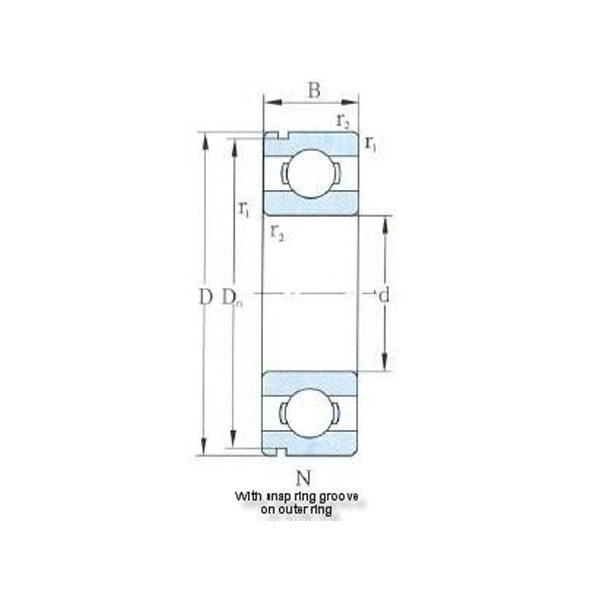
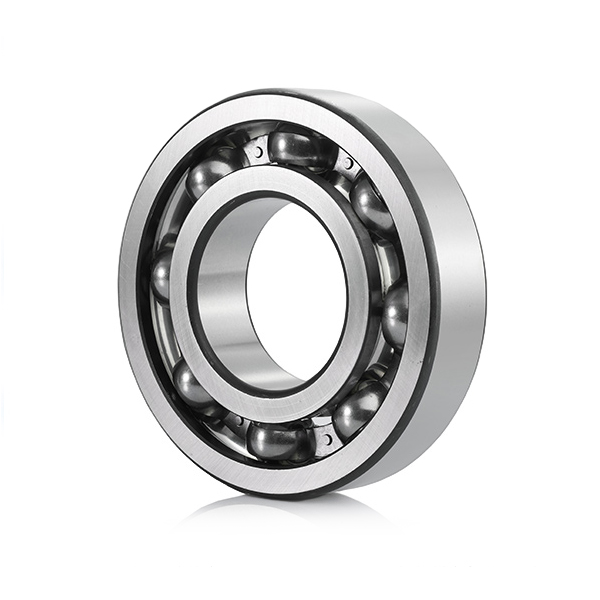
Thrust ball bearings are precision mechanical components designed to support axial loads in one direction or both directions while allowing smooth rotational movement with minimal friction.
They are widely used in automotive systems, machine tools, marine equipment, and industrial machinery where axial load control is essential. In high-quality applications, thrust ball bearings can reduce friction losses by up to 70% compared to plain sliding bearings, significantly improving mechanical efficiency.
A thrust ball bearing consists of three main components that work together to manage axial loads efficiently.
The balls roll between the washers, reducing friction while transmitting axial loads. This rolling motion replaces sliding friction, which is critical in high-speed or precision machinery.
Properly lubricated thrust ball bearings can achieve rotational efficiency above 95%, making them ideal for low-friction applications.
Different designs of thrust ball bearings are optimized for specific load directions and operating conditions.
| Type | Load Direction | Characteristics | Typical Use |
|---|---|---|---|
| Single Direction Thrust Bearing | One-direction axial load | Simple structure, high precision | Machine tool spindles |
| Double Direction Thrust Bearing | Bidirectional axial load | Handles reverse loads | Automotive steering systems |
Single-direction designs are more common due to their simplicity, while double-direction bearings are used in more complex mechanical systems requiring bidirectional stability.
The performance of thrust ball bearings is defined by several mechanical and material factors.
High-grade steel thrust bearings can extend service life beyond 20,000 operating hours under proper lubrication conditions.
Material selection directly impacts durability, load capacity, and wear resistance.
Ceramic thrust ball bearings can operate at speeds up to 1.5 times higher than steel bearings while generating significantly less heat.
Thrust ball bearings are essential in systems where axial force control is critical.
In automotive applications, thrust bearings help reduce steering effort by up to 40%, improving driver comfort and control precision.
Proper lubrication is essential to ensure long-term performance and prevent premature wear.
Regular maintenance can reduce bearing failure rates by more than 50%, especially in high-load industrial environments.
Choosing the right thrust ball bearing requires evaluating load, speed, and environmental conditions.
For example, high-speed CNC machines typically require precision-grade thrust bearings with runout tolerances below 2 microns to ensure machining accuracy.

Copyright © Ningbo Demy (D&M) Bearings Co., Ltd. All Rights Reserved.
 OEM/ODM Industrial Bearing Manufacturers

 Search
 EN
EN English
 Español