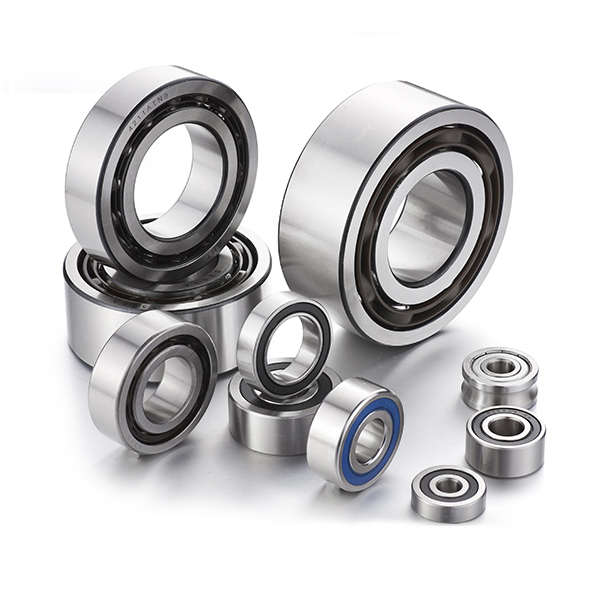
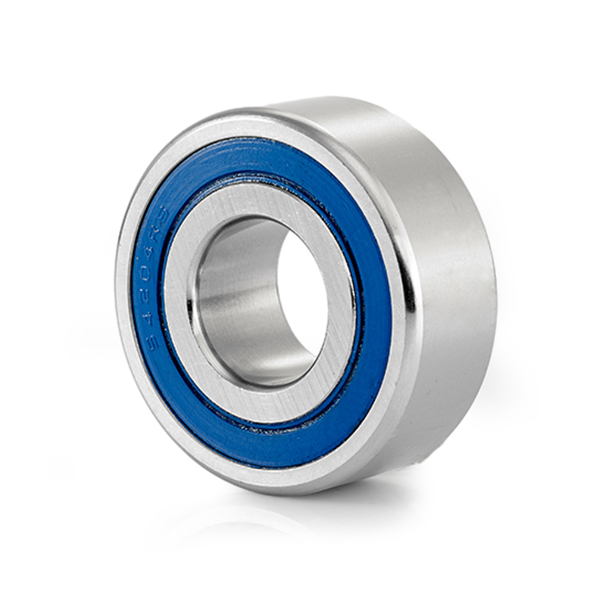
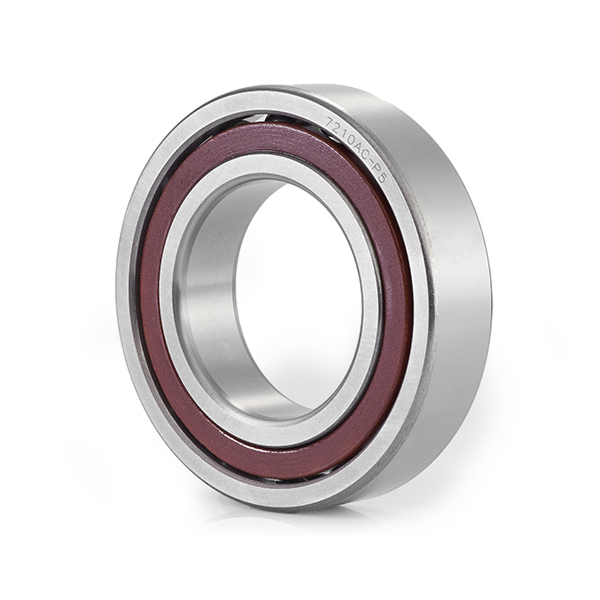
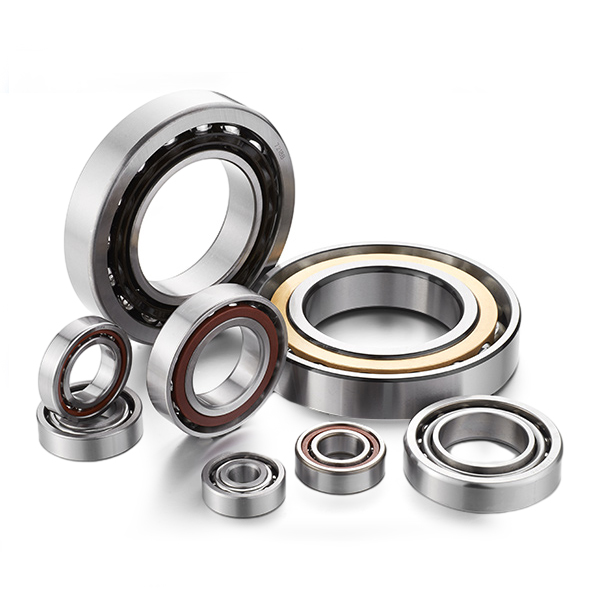
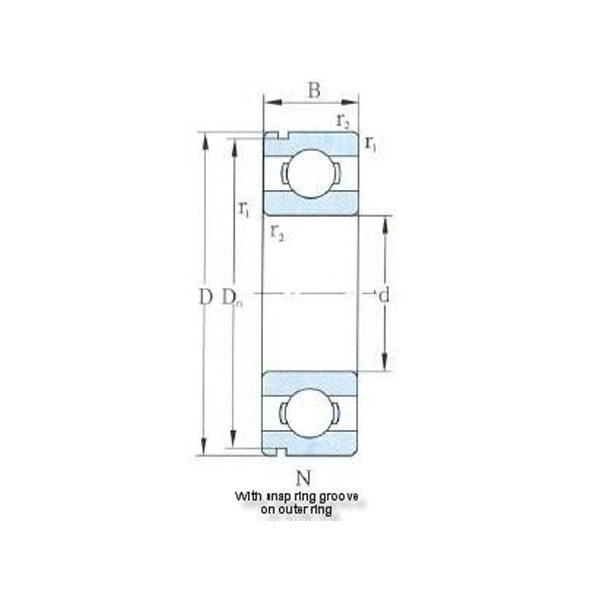
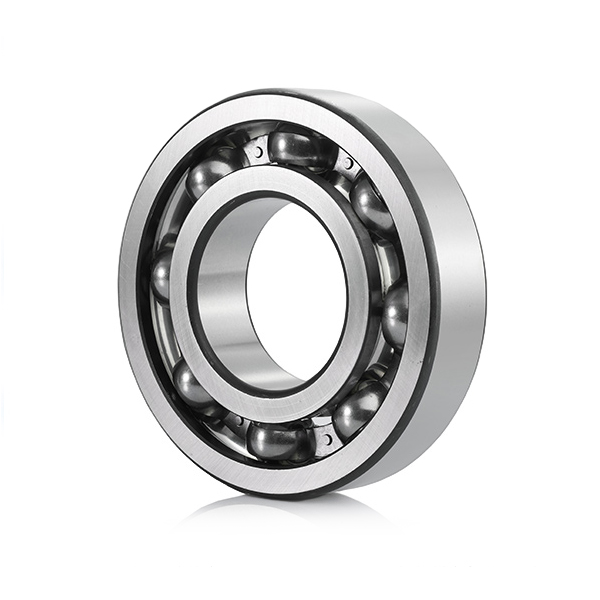
Deep groove ball bearings are widely used mechanical components designed to support radial and axial loads while allowing rotational motion with minimal friction. Their simple structure, reliable performance, and versatility make them suitable for applications across automotive, industrial machinery, and consumer products. A critical aspect of their operation involves lubrication, particularly when operating under high-speed or high-temperature conditions. Proper lubrication ensures the bearings maintain performance, reduce wear, and extend service life.
Lubrication in deep groove ball bearings serves to reduce friction, dissipate heat, and protect the metal surfaces from wear and corrosion. Lubricants can be oils or greases, selected based on operational requirements. High-speed or high-temperature applications demand lubricants with stable viscosity, thermal resistance, and the ability to maintain a lubricating film under dynamic load. The choice of lubricant and application method directly affects the bearing’s efficiency, temperature stability, and durability.
When deep groove ball bearings operate at elevated temperatures, the lubricant must resist breakdown and oxidation. High-temperature grease formulations often include synthetic base oils with additives that enhance thermal stability, reduce evaporation, and maintain consistency. Oil lubrication systems may employ circulating or pressurized oils to continuously replenish the lubricating layer and remove heat. Bearings designed for high-temperature use often include seals or shields to retain lubricant and protect against contamination from dust, moisture, or debris.
At high rotational speeds, deep groove ball bearings generate additional centrifugal forces, frictional heat, and potential lubricant migration. Lubricants used in high-speed applications must maintain low viscosity to reduce drag while providing sufficient film thickness to prevent metal-to-metal contact. Special greases with shear-stable properties or low-viscosity synthetic oils are commonly applied. Proper distribution of lubricant to all rolling elements is critical, and in some cases, circulating or oil-mist lubrication systems are employed to ensure uniform coverage and temperature regulation.
The effectiveness of lubrication affects bearing performance in several ways. Adequate lubrication minimizes friction, which reduces energy consumption and prevents excessive temperature rise. It also forms a protective barrier that prevents wear, pitting, or corrosion. Inadequate or degraded lubrication can lead to increased friction, overheating, and premature failure. Bearings operating under high temperature or high speed require careful selection of lubricants and maintenance schedules to ensure consistent operation and reliability.
Deep groove ball bearings intended for high-speed or high-temperature applications often incorporate specific design enhancements. These may include optimized internal geometries, precision tolerance classes, and reinforced cages made of heat-resistant polymers or metals. Seals or shields retain lubricants and prevent contamination, while the use of high-quality steel or ceramic materials for rolling elements improves thermal stability and reduces wear. These design features complement appropriate lubrication strategies to maintain performance under demanding conditions.
Regular maintenance and monitoring are essential for bearings operating under high-speed or high-temperature conditions. Lubricant condition can be assessed through visual inspection, viscosity checks, or particle analysis. Re-lubrication schedules may be adjusted based on operating hours, temperature, and load conditions. Advanced systems may include sensors to monitor temperature, vibration, and lubricant flow in real time. Timely maintenance ensures consistent lubrication, reduces downtime, and prolongs bearing life.
Choosing the right lubricant depends on several factors, including operating speed, temperature range, load, and environmental conditions. High-temperature applications benefit from synthetic greases or oils with oxidation inhibitors, while high-speed applications require low-viscosity lubricants with shear stability. Some bearings may operate under combined high-speed and high-temperature conditions, necessitating specialized formulations that balance viscosity, thermal resistance, and film strength. Manufacturers often provide guidelines on suitable lubricants for specific bearing models.
Inadequate lubrication in deep groove ball bearings can lead to multiple issues. At high speeds, insufficient lubrication increases friction, generates heat, and accelerates wear on rolling elements and races. Under high temperatures, lubricants may degrade or evaporate, leaving metal surfaces exposed to oxidation and corrosion. Both scenarios can result in vibration, noise, decreased efficiency, and ultimately bearing failure. Preventive lubrication and proper selection of bearing design and lubricant are essential to avoid these outcomes.
Deep groove ball bearings with appropriate high-temperature and high-speed lubrication are employed in a variety of applications. These include electric motors, pumps, automotive transmissions, turbines, and industrial machinery. In each case, proper lubricant selection and maintenance allow the bearing to handle high rotational speeds or elevated temperatures without compromising performance. Detailed analysis of operating conditions, such as load, speed, and ambient temperature, helps engineers determine the best lubrication strategy and bearing configuration.
| Condition | Lubrication Requirement | Recommended Approach |
|---|---|---|
| High-temperature operation | Resistant to oxidation, thermal breakdown, and evaporation | Synthetic greases or oils with additives; sealed or shielded bearings |
| High-speed operation | Maintains film under centrifugal forces; low viscosity to reduce drag | Low-viscosity synthetic oils or shear-stable greases; oil-mist or circulation lubrication |
| Combined high-speed and high-temperature | Balance between viscosity, thermal stability, and lubricating film strength | Specialized synthetic greases or oils; reinforced cages and precision tolerance bearings |
| General maintenance | Ensure continuous lubrication and prevent contamination | Regular inspection, re-lubrication, and condition monitoring |
| Material selection | Maintain structural integrity at extreme temperatures or speeds | Heat-resistant steels, ceramic balls, or polymer cages as needed |

Copyright © Ningbo Demy (D&M) Bearings Co., Ltd. All Rights Reserved.
 OEM/ODM Industrial Bearing Manufacturers

 Search
 EN
EN English
 Español