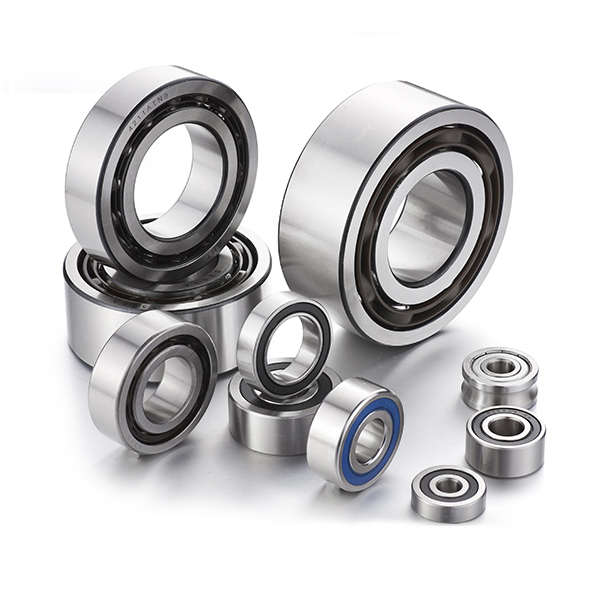
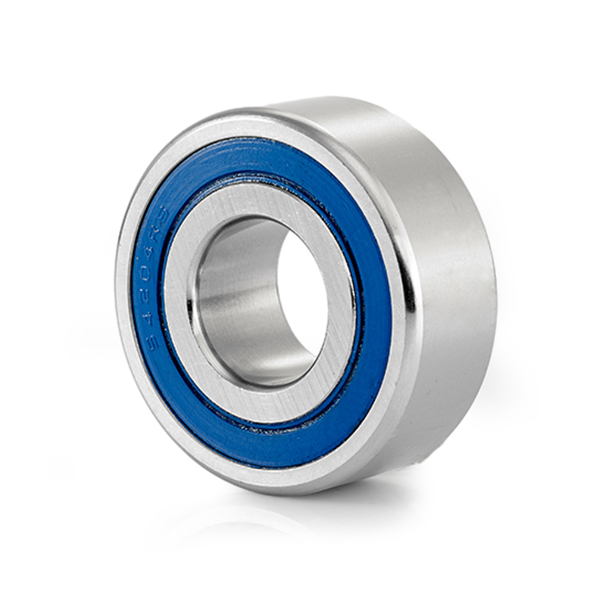
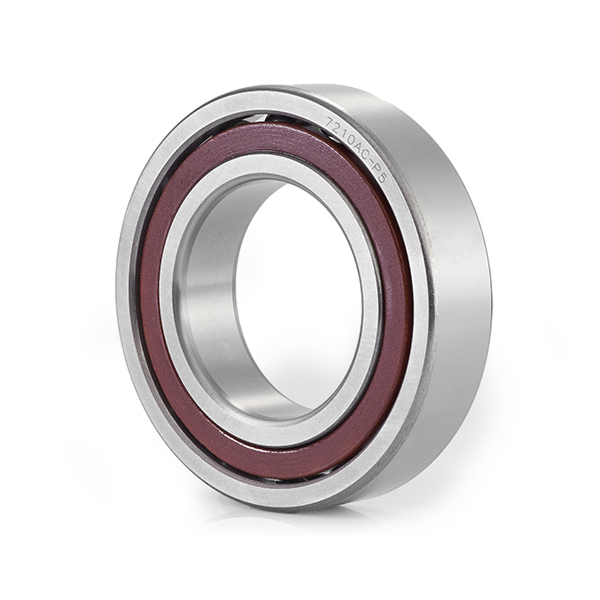
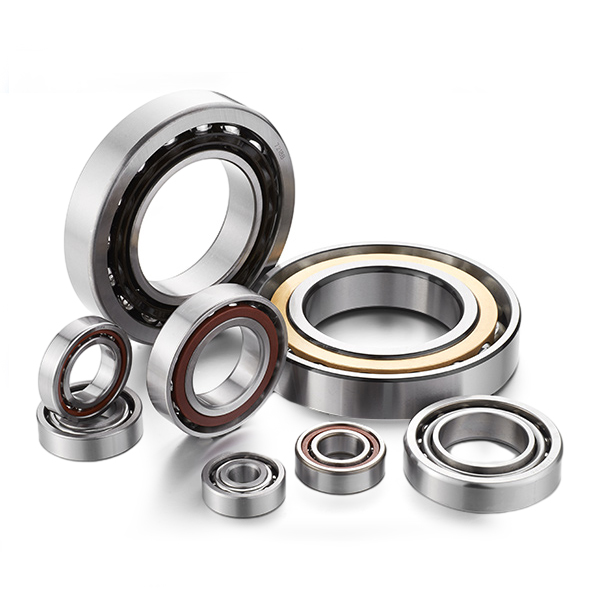
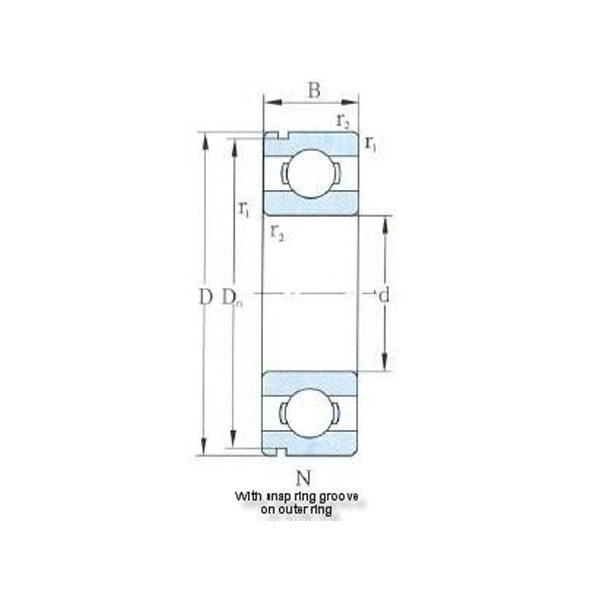
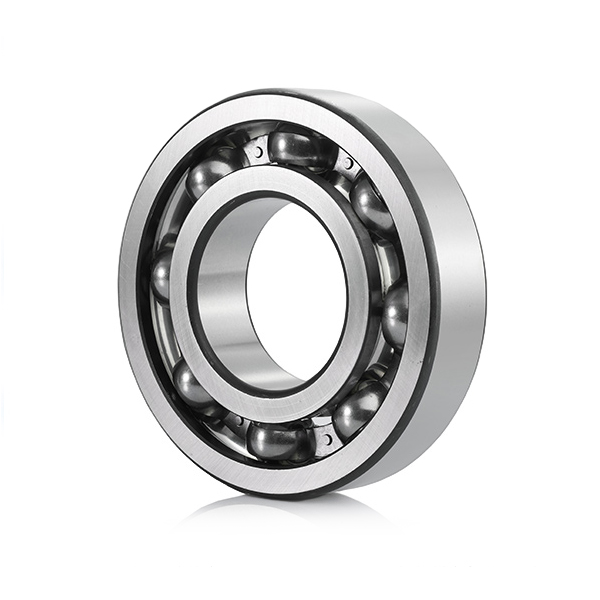
Deep groove ball bearings are one of the most commonly used types of rolling element bearings. They consist of an inner race, outer race, rolling elements (usually steel or ceramic balls), and a cage that separates the balls and allows them to rotate freely. These bearings are designed to reduce friction between the moving parts of machinery, which is crucial in ensuring smooth operation and longevity of the components involved. Their simplicity, versatility, and efficiency make them suitable for a wide range of applications across various industries. The primary function of a deep groove ball bearing is to support radial loads, axial loads, or a combination of both, making them ideal for applications where low friction and high efficiency are desired.
One of the key characteristics of deep groove ball bearings is their ability to minimize friction between the moving parts. This is achieved through the use of smooth, precisely manufactured races and balls. The rolling elements within the bearing are designed to make continuous contact with the races in a way that reduces resistance during rotation. The frictional forces that occur during movement are a primary source of energy loss in machinery, and reducing these forces is essential for improving the overall efficiency of mechanical systems. The design of deep groove ball bearings allows them to operate with minimal friction, which contributes to the smooth operation of machines and minimizes the wear and tear on components. This feature makes deep groove ball bearings suitable for applications where low friction is critical for performance and longevity.
High efficiency is another important characteristic of deep groove ball bearings. Efficiency refers to the ability of a bearing to perform its intended function with minimal energy loss, which is particularly important in applications where energy conservation is a priority. Deep groove ball bearings achieve high efficiency by reducing the resistance between the moving parts, allowing for smoother operation and less energy consumption. In addition, these bearings are designed to handle both radial and axial loads, which enables them to operate effectively in applications that require a combination of both types of forces. The smooth, low-friction operation of the bearing ensures that power is transmitted efficiently from one part to another, making them an essential component in systems where high efficiency is desired.
Deep groove ball bearings are used in a wide range of applications where low friction and high efficiency are important. They are commonly found in electric motors, pumps, automotive components, and industrial machinery. In electric motors, deep groove ball bearings help reduce the friction that occurs between rotating parts, ensuring that the motor operates smoothly and efficiently. Similarly, in pumps, these bearings minimize the resistance between moving parts, ensuring that the pump operates without unnecessary energy loss. Automotive components, such as wheel hubs and transmissions, also rely on deep groove ball bearings to reduce friction and enhance the overall performance of the vehicle. These bearings are also used in machinery that requires precise, low-friction motion, such as robotics, conveyor systems, and machine tools.
Several factors can influence the performance of deep groove ball bearings in applications that require low friction and high efficiency. The material used for the races and rolling elements plays a significant role in the bearing's ability to minimize friction. Bearings made from high-quality steel or ceramic materials tend to have smoother surfaces and can operate with less friction than those made from lower-quality materials. The precision of the manufacturing process also affects the bearing's performance. Bearings that are produced with tight tolerances and high levels of accuracy will experience less friction and operate more efficiently than those that are poorly made. Additionally, the lubrication of the bearing is crucial for maintaining low friction and high efficiency. Proper lubrication ensures that the rolling elements move smoothly and that friction is minimized during operation. Insufficient or incorrect lubrication can lead to increased friction, wear, and reduced efficiency.
Temperature is another factor that can affect the performance of deep groove ball bearings. As the bearing operates, friction generates heat, which can cause the bearing's temperature to rise. If the temperature becomes too high, it can cause the bearing material to soften, leading to increased friction and potential failure of the bearing. To prevent overheating, deep groove ball bearings are often equipped with seals or shields that help retain lubrication and protect the bearing from contaminants. In some cases, bearings are designed to operate in environments with higher temperatures, and they may be made from special materials that can withstand the heat without losing their low-friction properties. It is important to consider the operating temperature range when selecting a deep groove ball bearing for a particular application to ensure that the bearing performs efficiently and does not overheat.
Several design features of deep groove ball bearings contribute to their ability to maintain low friction and high efficiency. One of the most important features is the type of cage used to separate the rolling elements. The cage is designed to hold the balls in place and prevent them from making direct contact with each other, which can increase friction and wear. A well-designed cage ensures that the rolling elements move smoothly and consistently, reducing friction during operation. Another important design feature is the groove profile of the races. Deep groove ball bearings are characterized by a raceway that is deep and smooth, which allows the rolling elements to maintain constant contact with the race and reduces the likelihood of slipping or skidding. Additionally, the internal geometry of the bearing, including the angle of contact between the balls and races, is designed to optimize load distribution and minimize friction. These design features work together to ensure that deep groove ball bearings operate efficiently and with minimal resistance.
Although deep groove ball bearings are well-suited for many applications requiring low friction and high efficiency, they do have some limitations. One limitation is that they are not ideal for applications that involve very high speeds or extreme radial loads. While deep groove ball bearings can handle moderate speeds and loads, they may not perform as well in applications that require higher load capacities or rotational speeds. In these cases, other types of bearings, such as angular contact ball bearings or roller bearings, may be more suitable. Additionally, deep groove ball bearings may not be the best choice for applications that involve heavy shock loads or impact forces, as they are designed to operate under steady, continuous loads. Despite these limitations, deep groove ball bearings remain a popular and versatile choice for many low-friction, high-efficiency applications.
To ensure that deep groove ball bearings continue to perform with low friction and high efficiency over time, proper maintenance is essential. Regular lubrication is one of the most important aspects of bearing maintenance, as it helps reduce friction and prevent wear on the rolling elements and races. Bearings that are not properly lubricated can experience increased friction, leading to higher operating temperatures and reduced efficiency. It is also important to monitor the condition of the bearing seals or shields, which help prevent contaminants from entering the bearing and affecting its performance. Over time, the bearing may experience wear due to constant operation, and it may need to be replaced to maintain optimal efficiency. Regular inspection and maintenance can help extend the lifespan of deep groove ball bearings and ensure that they continue to operate smoothly and efficiently.

Copyright © Ningbo Demy (D&M) Bearings Co., Ltd. All Rights Reserved.
 OEM/ODM Industrial Bearing Manufacturers

 Search
 EN
EN English
 Español